
Matcha Industry Report is Ooika's monthly coverage of the Japanese tea industry, specifically Matcha. Join our newsletter here to keep up to date.
Matcha sales in the United States grew 86% in just three years, from 2022 to 2025.
That figure comes from a segment on TBS's evening news program N Star, which aired on October 8, 2026, and was published on TBS NEWS DIG. The report looked at what is driving American demand, and at something that should concern anyone who cares about Japanese tea: a growing share of the Matcha Americans drink is not from Japan at all.
How Big Is the U.S. Matcha Market?
TBS cited market research projecting that the U.S. Matcha market will nearly double, from about $178.6 million in 2025 to $340 million by 2033.
The source is Grand View Research's Horizon databook. Its current U.S. Matcha tea outlook lists slightly different numbers: $176.8 million in 2025, $190.6 million estimated for 2026, and $340.0 million by 2033, an annual growth rate of 8.6%.
Either way, the direction is the same. (Matcha Wire covered the TBS report here.) And remember that a 2033 number is a forecast, not a result.
Why Americans Are Drinking More Matcha
TBS pointed to three drivers.
Health
Interest in health has grown since the pandemic. TBS noted that Matcha has slightly less caffeine than coffee, and that its caffeine is said to be absorbed more gently, so focus lasts longer instead of spiking. (We go through the full comparison in Matcha vs Coffee.)
Social Media
The #matcha hashtag on TikTok had 42.1 billion total views as of October 6, 2026, according to TikTok analytics site Urlebird, as cited by TBS.
Interest in Japan
More Americans are traveling to Japan, and more are drawn to the stories around Matcha: tea ceremony, Zen, and Japanese culture. TBS described Matcha as becoming a "health and entertainment drink" for younger Americans.
Los Angeles: More Matcha Than Coffee?
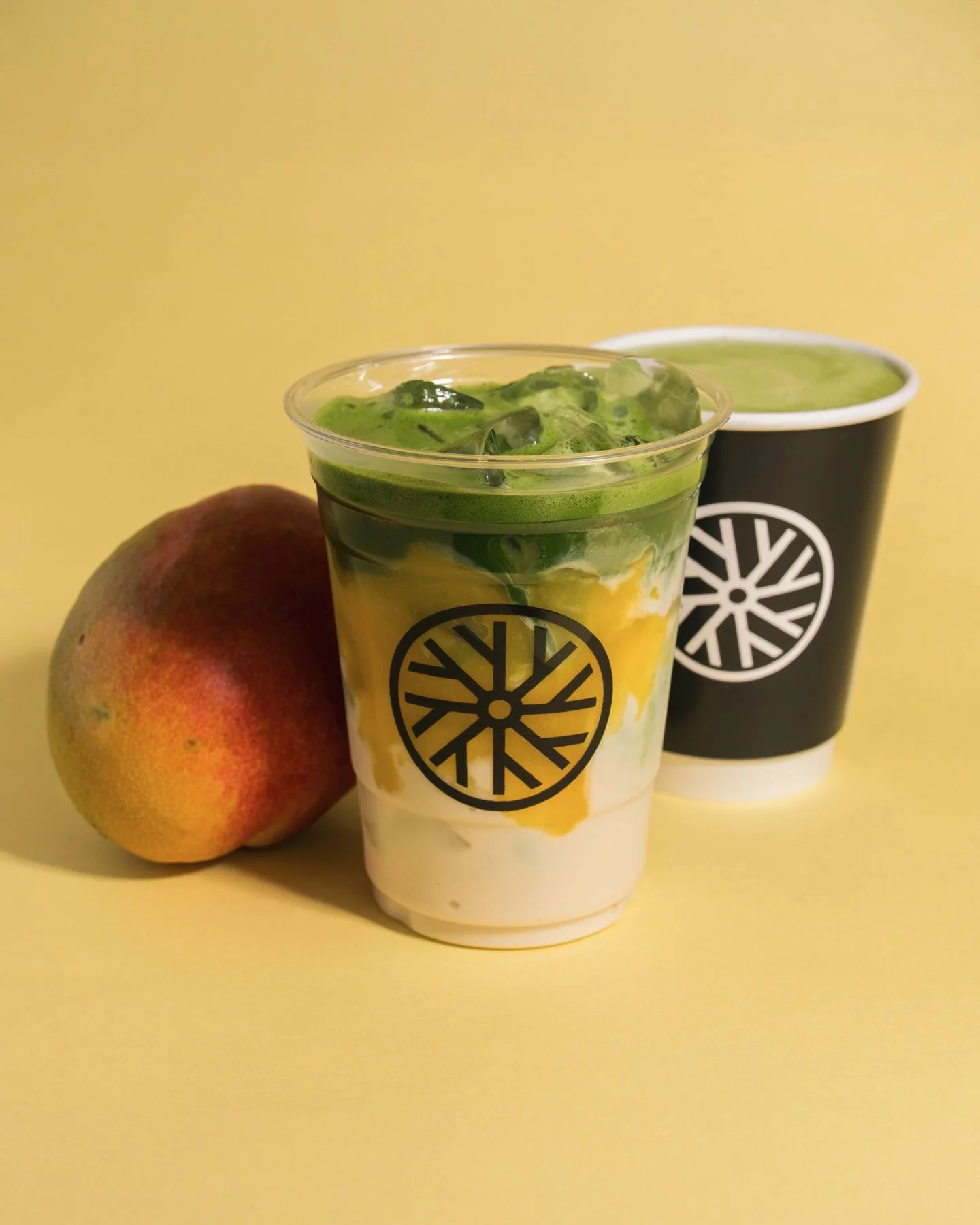
JNN's Los Angeles correspondent, Shunpei Yoshida, reported from Sawtelle, the neighborhood where the bureau is based. He counted about 10 shops serving Matcha, every few meters, and said it felt like there were more Matcha shops than coffee shops. Some had lines at the end of lunchtime.
A Matcha latte there costs $7 to $8, more than double the price in Japan. Walking around with a cup, and posting it online, has become something of a fashion.
But Yoshida also noticed something about the drinks themselves. Many are sweetened, and in some, the sweetness overwhelms the flavor of the Matcha. In a mango Matcha he tasted on air, the Matcha's flavor and bitterness were barely there.
Rising Japanese Prices, and the Shift to Chinese Matcha
Japanese Matcha has become more expensive for reasons that go beyond demand. TBS cited the aging of Japan's tea farmers, which is pushing up labor costs, and rising equipment costs. Global demand has accelerated those increases. (For the numbers behind this, see our report on record Japanese tea prices.)
At a trade show in Los Angeles, Yoshida found that booths were split roughly half and half between Japanese and non-Japanese Matcha, with Chinese Matcha the most common of the non-Japanese.
30 to 40% Cheaper
A U.S. importer of Chinese Matcha told TBS that Chinese Matcha is 30 to 40% cheaper than Japanese. China has always produced a lot of tea, most of it consumed at home. With the Matcha boom, China has opened that capacity up to the world, and many American businesses are switching from Japanese to Chinese Matcha.
One Japanese supplier put it bluntly: many shops are fine with anything, as long as it's Matcha. For them, the priority is a low price and a stable supply. Others told TBS they would prefer Japanese Matcha, but that Chinese Matcha has improved enough to be good enough.
This is not only an American story. Matcha Wire reports that Chinese Matcha is gaining market share over Japanese Matcha worldwide on the back of the latte boom. We cover how the two compare in Japanese and Chinese Matcha: Differences and Market Competition.
The Real Problem: "Green Drink" Is Not a Category
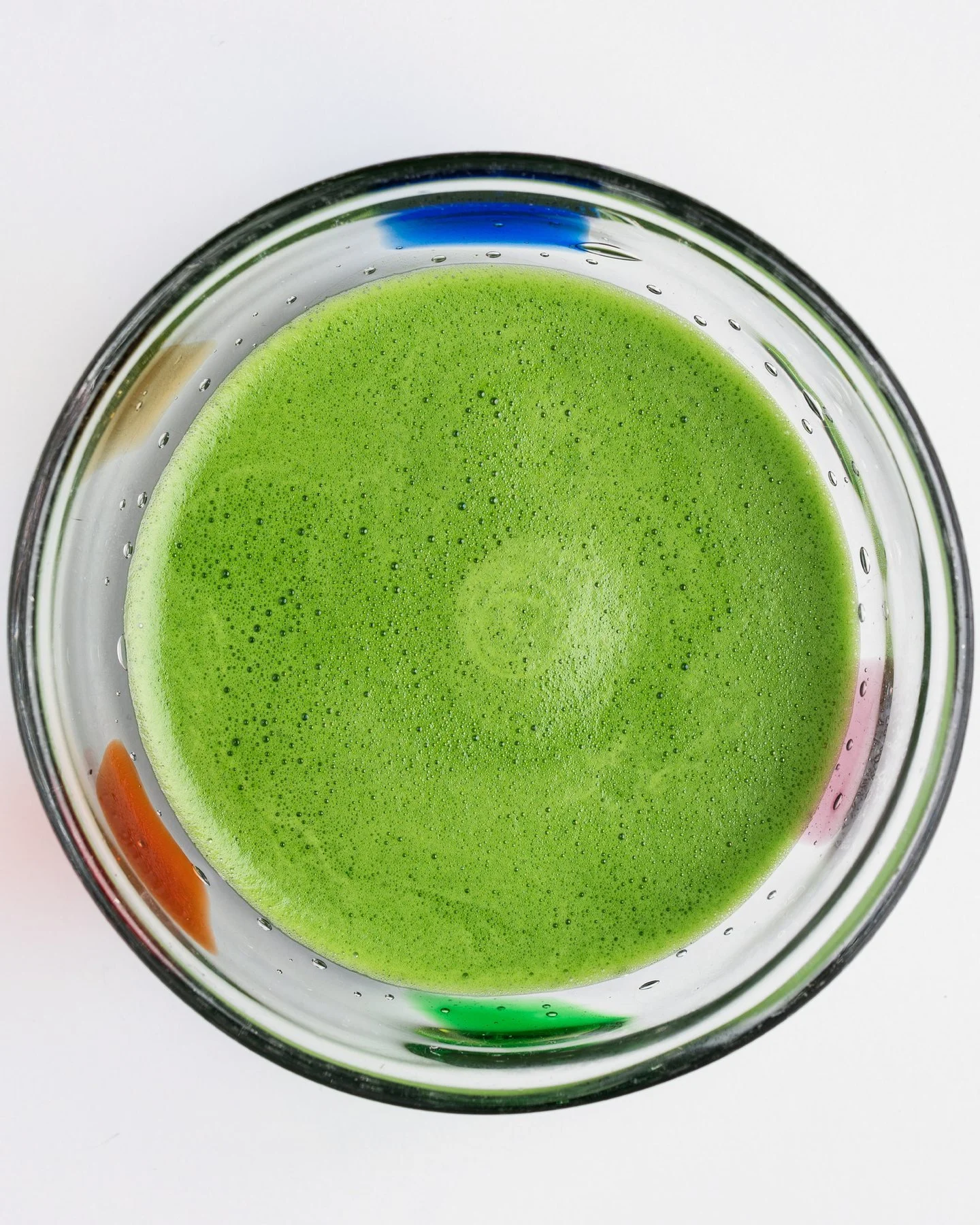
Yoshida summed it up: some people love the flavor and bitterness of Japanese Matcha, but many see it simply as a stylish green drink.
When Matcha is mixed with milk, syrup and mango, very few drinkers can tell where it came from. In that market, Japanese Matcha can't win on price, and it shouldn't try to.
TBS's conclusion was that the key question now is whether Japan can build brand value, and grow the number of people who want to drink Japanese Matcha even when it costs more. TBS special commentator Hiroshi Hoshi called it "a new kind of competition," and said the real competition is only beginning.
What Actually Makes Japanese Matcha Different
"Japanese" on the label is not enough. What matters is everything that "Japanese" is supposed to stand for:
Cultivar: Saemidori, Okumidori, Samidori and dozens of others each taste different.
Shading: how long, and how heavily, the tea is shaded before harvest shapes its umami and color.
Harvest: first-harvest Tencha and later harvests are very different raw materials. (See Ceremonial vs Culinary Matcha.)
Region and farmer: Uji, Yame and Kagoshima each produce distinct teas, and so does every farm within them.
Milling and freshness: Matcha starts losing aroma once it's ground.
None of this shows up in a sweet mango latte. All of it shows up in a bowl of Matcha whisked with water.
What This Means for Matcha Drinkers
The U.S. Matcha boom is real, and it isn't slowing down. But growth alone won't protect Japanese tea. If American drinkers only learn that Matcha is green, cheaper Matcha will keep winning.
That is why we focus on education. We source our Matcha directly from farmers in Uji and Yame, and we mill all of it here in the United States. Our Matcha Mill Club is built around tasting, and learning, the differences between them.
The question TBS asked is the right one: will people pay more for Japanese Matcha? Only if they know what they're paying for.