
Japanese and Chinese Matcha: Differences and Market Competition
What is Chinese Matcha?
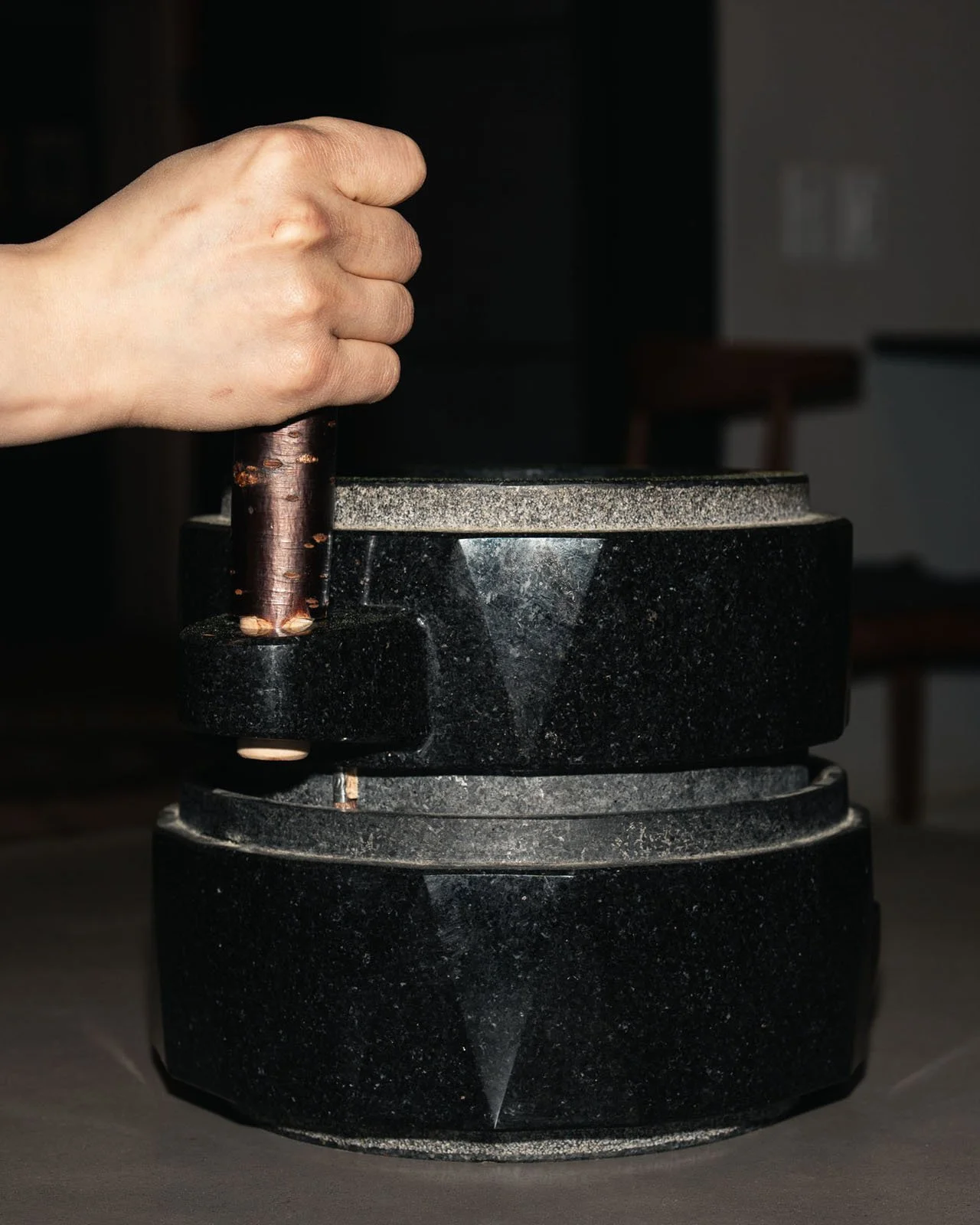
When we think of Matcha, Japan comes to mind. This is because Matcha originated in Japan. However, the process of grinding tea into powder originated in China.
During the Song Dynasty, the process of “whisking tea” was known as Diancha, while the tea powder itself was called “Mo Cha.”
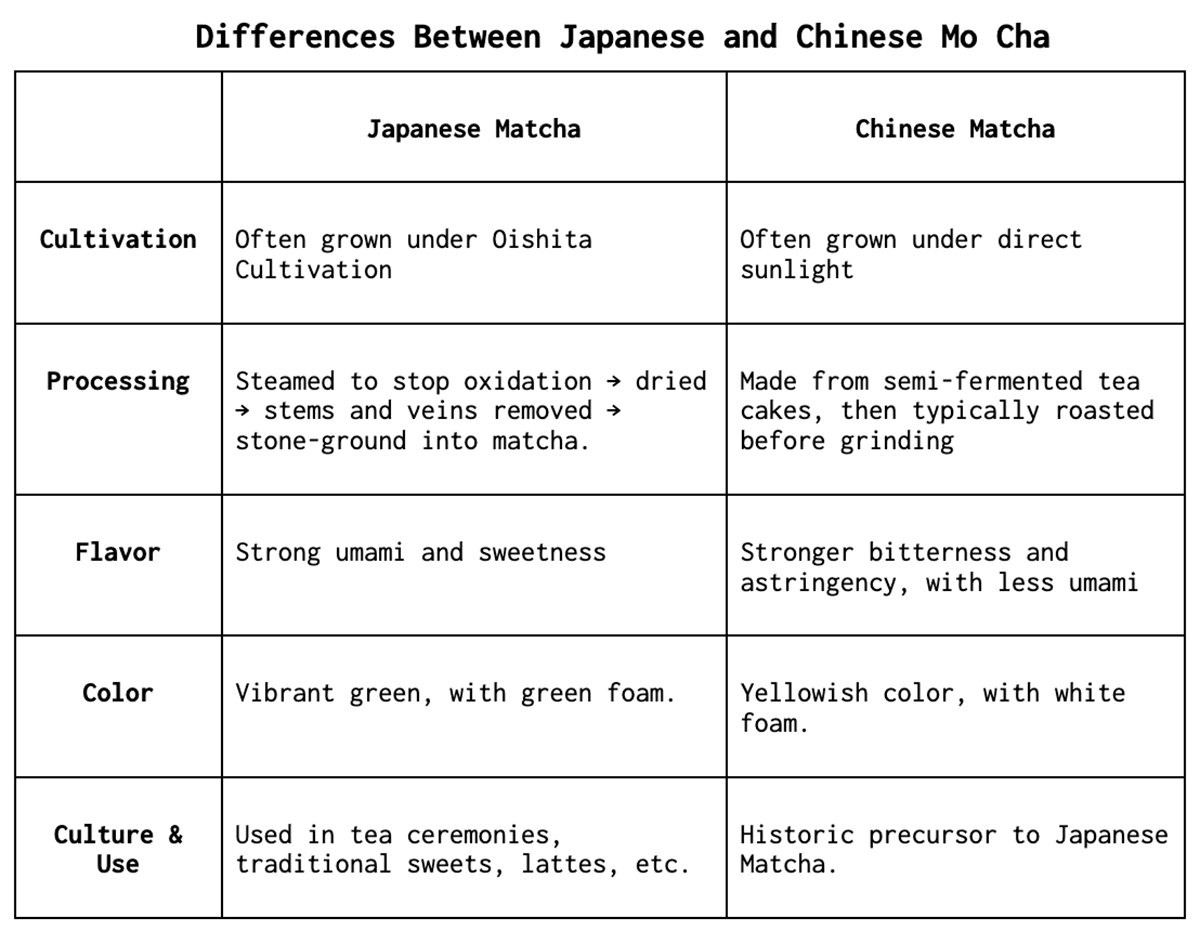
Today, Ooika refers to any powdered tea as “Mo Cha,” while “Matcha” refers to a specific type of Mo Cha that is specific to Japan. For more details on what makes Matcha specific to Japan, check out our article on ‘What is Matcha?’
Matcha Vs Mo Cha
As Matcha has become more popular across the world, more entrepreneurial Chinese producers are creating modern “Mo Cha” made in the style of Matcha. The below chart focuses on the original historical Tang and Song dynasty Chinese Mo Cha.
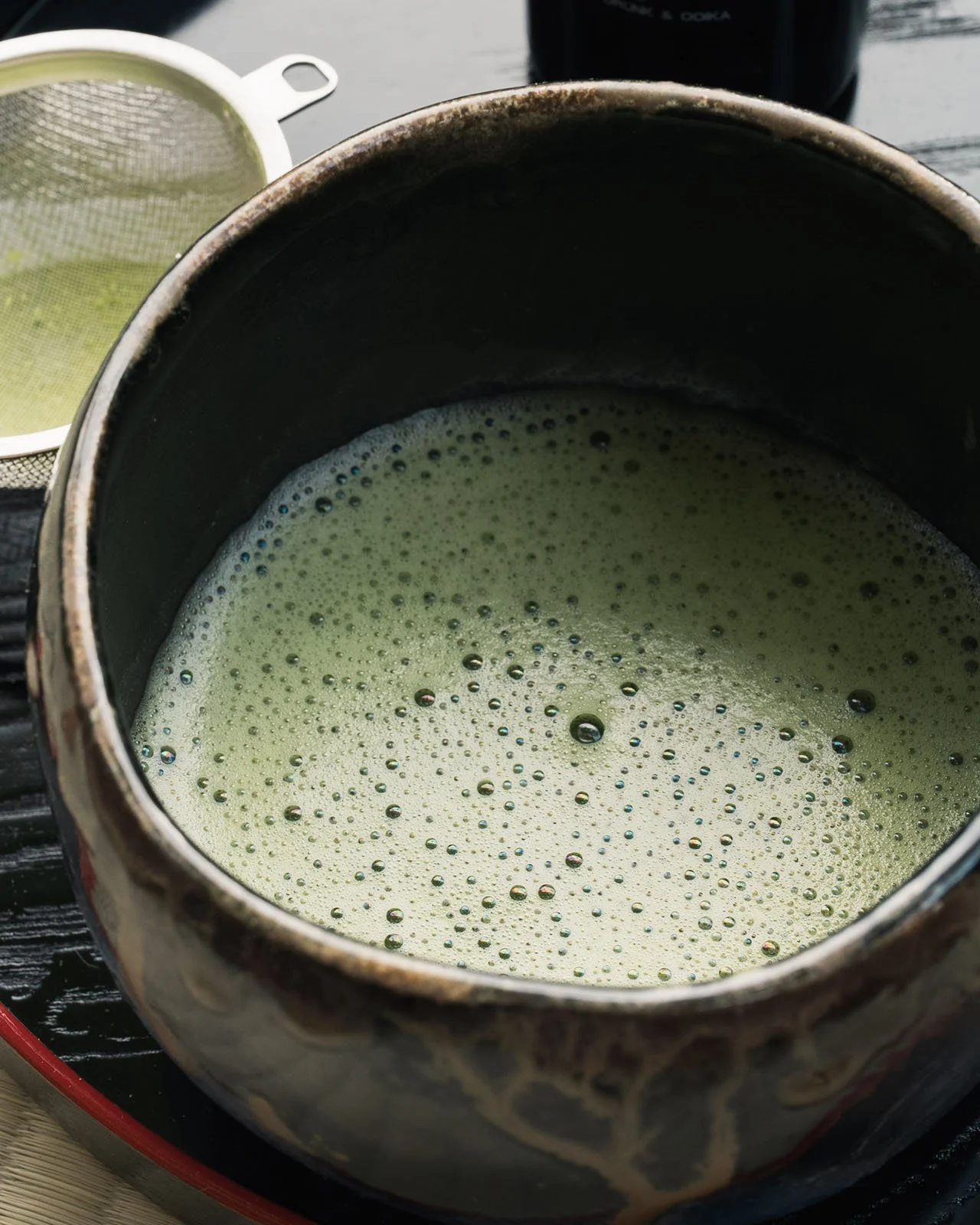
A bowl of whisked Mo Cha, sometimes erroneously called “Chinese Matcha.”
Position in the Global Market
Japanese Matcha has established brand value as a premium product, enjoying high demand overseas—particularly in North America, Europe, and Southeast Asia—driven by tea ceremony culture, Matcha lattes, and desserts, and despite its higher price point. It competes strongly on quality, flavor, and brand reputation.
Chinese Mo Cha “Matcha” is relatively inexpensive and suitable for large-scale production, making it popular with cafes and confectionery businesses that aim to reduce costs, and while it cannot compete with Japanese Matcha in the premium market, it remains competitive in cost-focused segments.
Current Competitive Landscape
Japanese Matcha holds a strong position in the premium market, including tea ceremony, high-end desserts, and Matcha lattes. With its rich umami flavor, vibrant green color, and the strong brand recognition of “Matcha = Japan,” it has a clear advantage, especially in overseas luxury markets. Although the price is relatively high, it continues to be supported by consumers who value quality and cultural significance.
On the other hand, Chinese “Matcha” is notable for its lower price and large-scale production capacity, securing a niche in cost-conscious markets such as beverages and processed foods. Its flavor and color are more subdued compared to Japanese Matcha, but with the growing global demand for Matcha, it increasingly demonstrates competitive strength in terms of cost.

Japanese tea prices hit record highs in 2026. Learn how global Matcha demand drove up first and second harvest prices with Ooika’s Matcha Industry Report.