
Matcha Industry Report is Ooika's monthly coverage of the Japanese tea industry, specifically Matcha. Join our newsletter here to keep up to date.
Japanese tea prices hit record levels in 2026. It started with the first harvest in spring, and then the second harvest followed in early summer at prices the industry has rarely seen. Behind it all is the rapid growth in global Matcha demand, and the way that demand is changing what Japan's tea farmers grow.
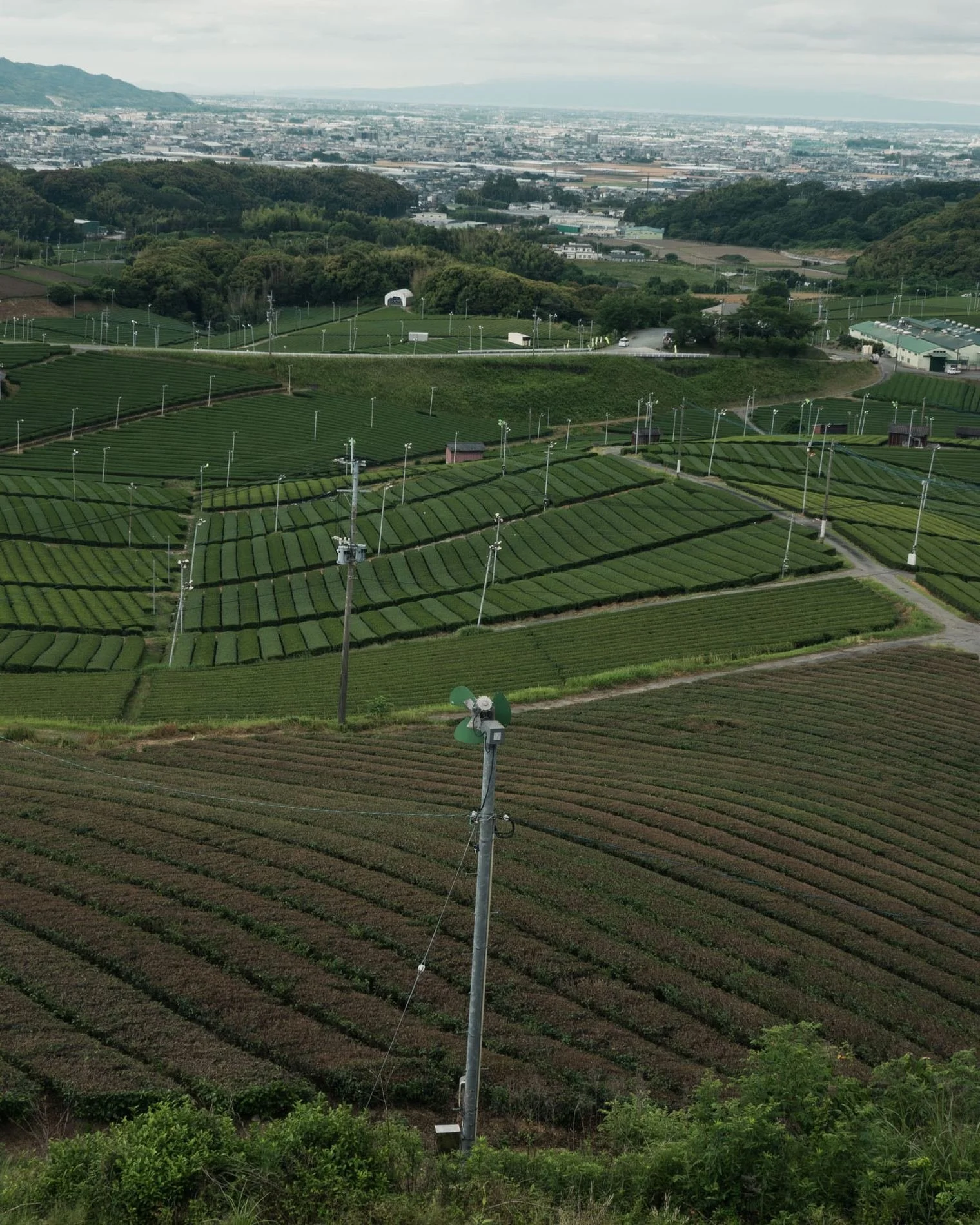
First Harvest Tea Prices Reach Record Levels
The 2026 first harvest season opened with historically high prices across Japan's major tea-producing regions, from Kagoshima and Shizuoka to Ise and Uji. We covered each region's opening auction in our April 2026 Matcha Industry Report, but here is the bigger picture.
Kagoshima Sets the Pace
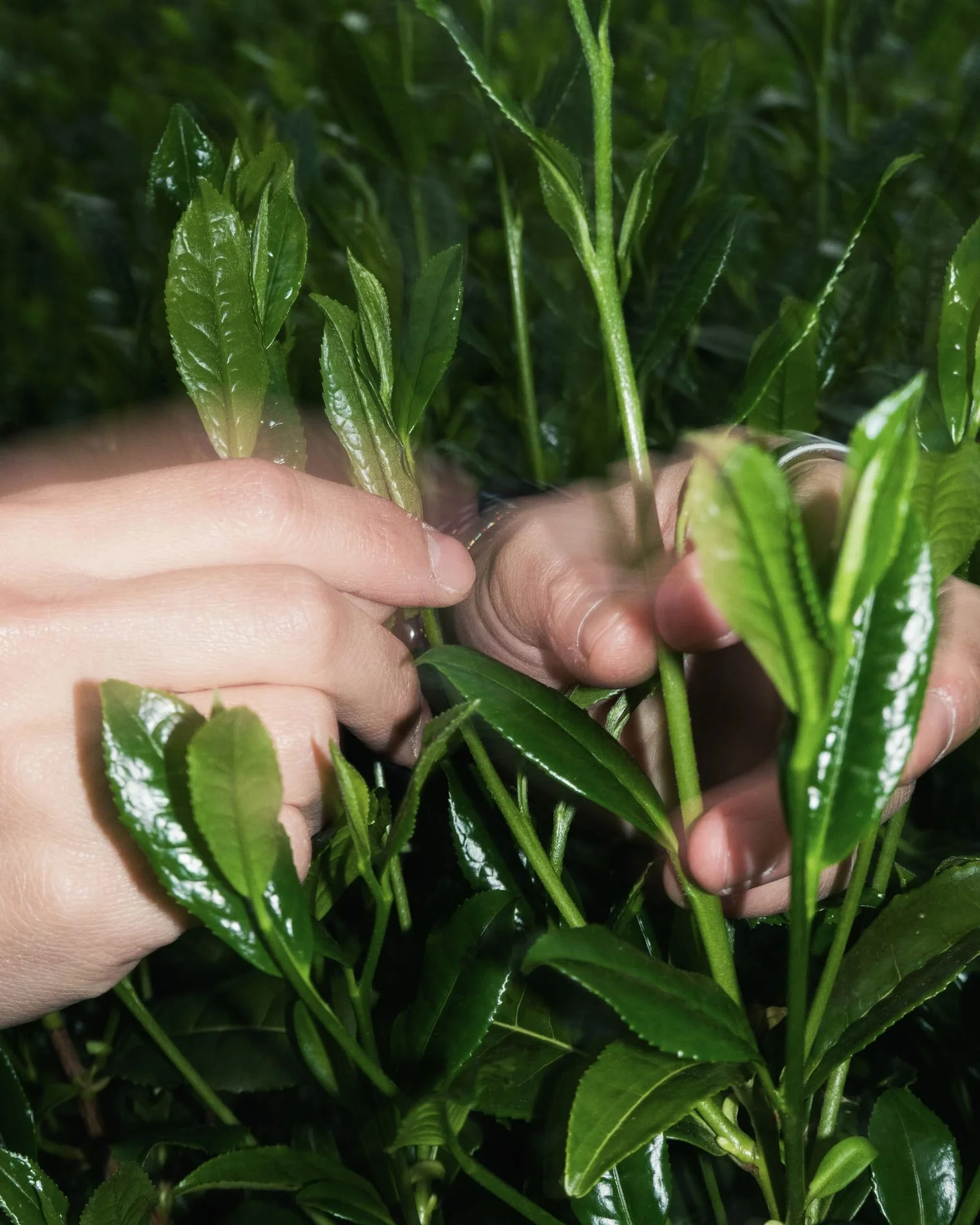
Japan's earliest auction of the year was held on April 6 at the Kagoshima Prefectural Tea Market. The average price reached ¥6,573 per kilogram, ¥2,436 more than the year before. The top bid, ¥30,000/kg, was the highest since at least 1989.
Prices stayed strong all season. By early June, JA Kagoshima reported that the prefecture's first harvest tea had traded at roughly double last year's prices.
Ise, Uji, and Shizuoka Follow
Other regions told a similar story:
Ise (Mie): The opening auction on April 22 averaged ¥21,478/kg, more than double 2025 and the first time above ¥20,000 in a decade.
Uji (Kyoto): At the first auction on April 24, hand-rolled Sencha from Wazuka sold for a record ¥333,339/kg.
Shizuoka: The top lot at the April 20 opening auction sold for ¥1.18 million/kg, beating last year's peak of ¥880,000/kg.
Why First Harvest Prices Jumped
Mild weather helped. The main regions saw little cold damage, steady rain, and no frost, which produced high-quality leaves. At the same time, tea merchants went into the season with low inventories after last year's shortage, so buyers moved early and bid aggressively.
Second Harvest (Nibancha) Prices Rise to Unusual Levels
Second harvest tea, known as Nibancha, usually sells for far less than first harvest tea. Much of it goes into bottled green tea and everyday tea bags rather than premium loose leaf. This year was different.
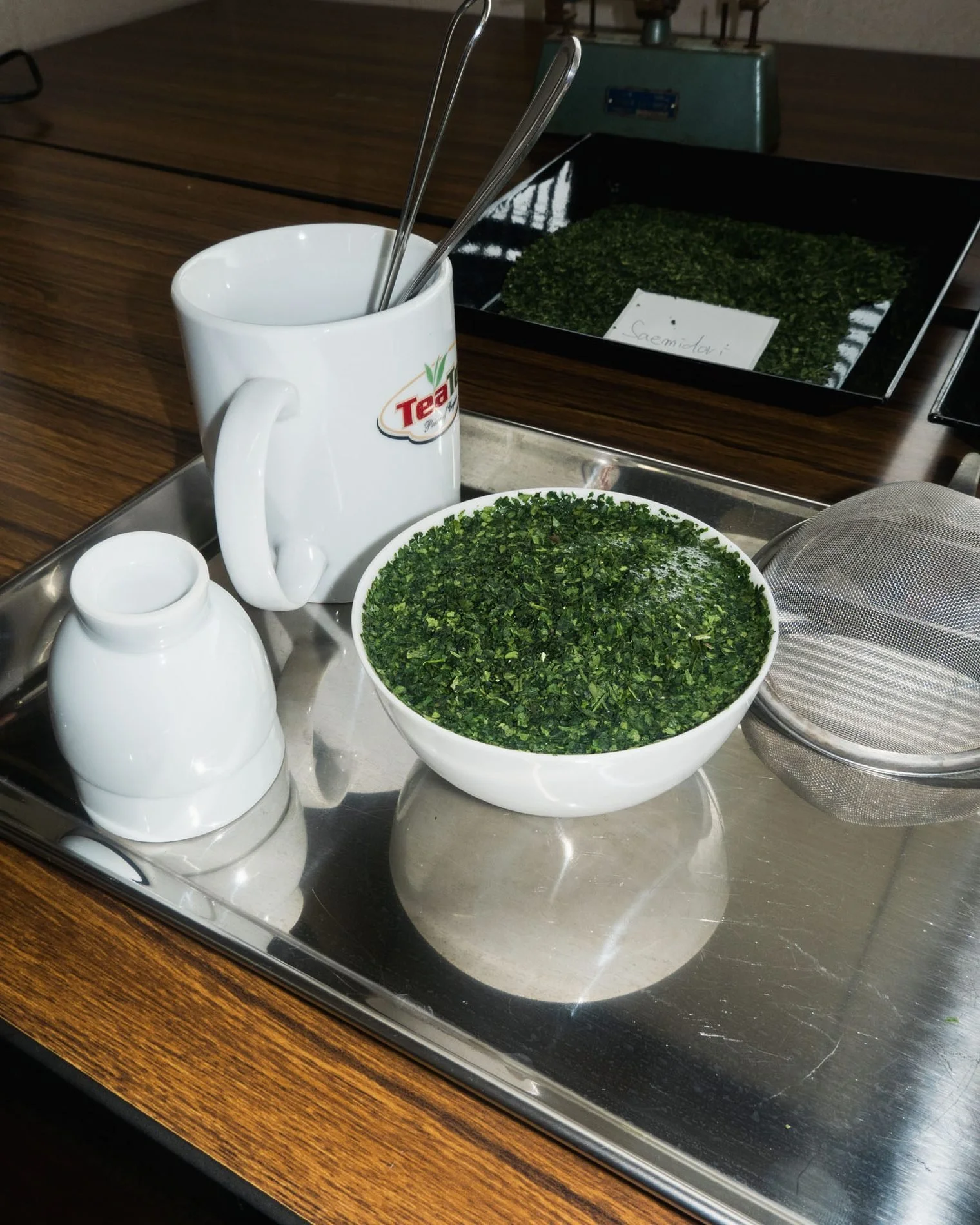
In mid-June, Japan's agricultural newspaper Nihon Nōgyō Shimbun reported that average second harvest prices in both Kagoshima and Shizuoka had climbed to the mid-¥2,000 range per kilogram. That is about double last year's level and close to four times the level of two years ago. For second harvest tea, prices in the ¥2,000 range are virtually unheard of.
The season ended the same way it started. When Shizuoka's second harvest trading closed in late July, the average price had settled in the low ¥2,000s per kilogram, 70–80% above last year's ¥1,204/kg. According to the Chunichi Shimbun, that is expected to be an all-time high.
How the Matcha Boom Is Reshaping Japanese Tea Prices
The main driver behind these prices is the global popularity of Matcha. Demand keeps growing for Tencha, the shaded, unground leaf that is stone-milled into Matcha. Tencha also sells for far more than Sencha. In Shizuoka this spring, first harvest Tencha fetched about three times the price of Sencha. So many farmers are shading their fields and switching from Sencha to Tencha.
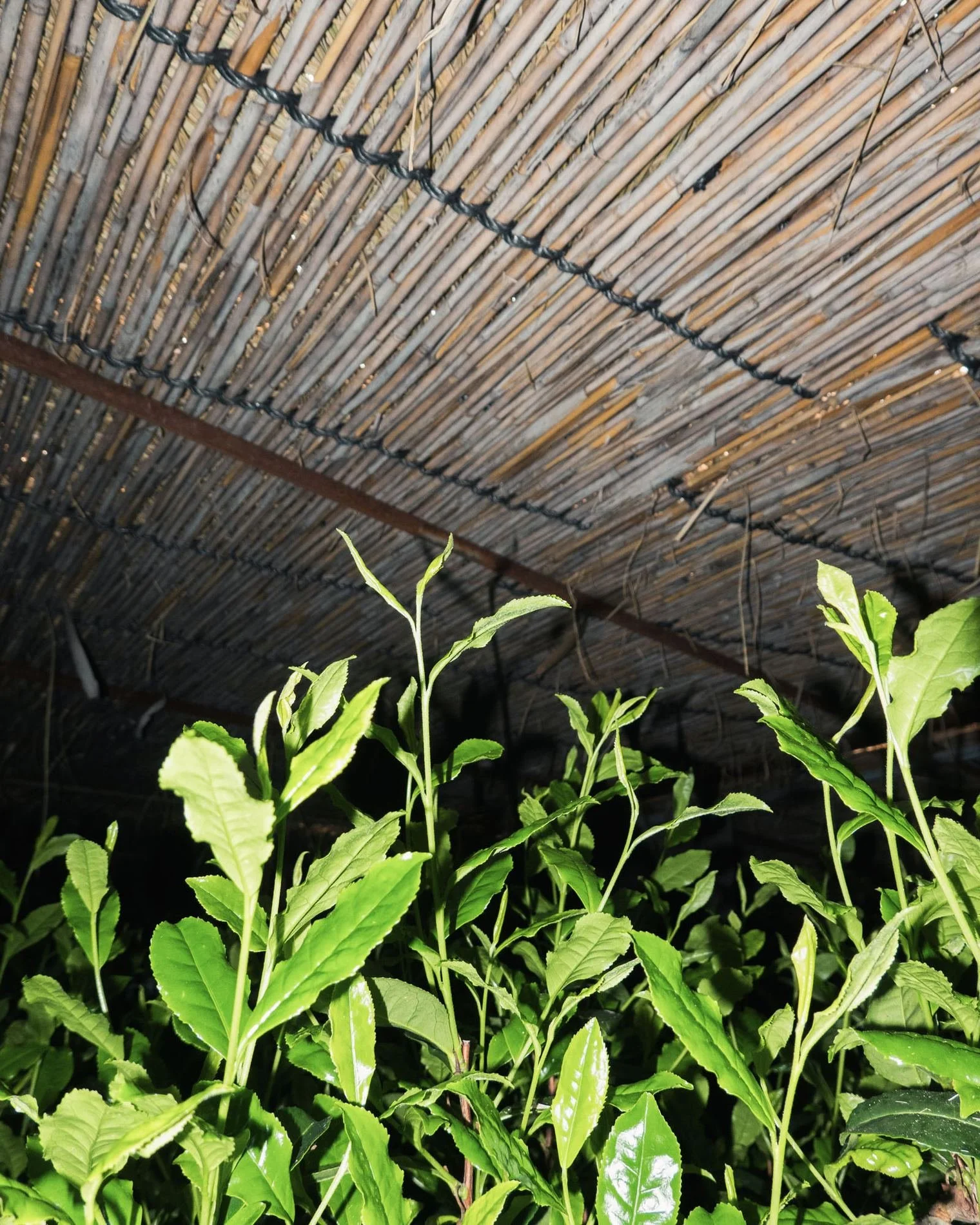
That shift has a knock-on effect. Fewer farms growing Sencha means less Sencha on the market, which pushes Sencha prices up too. The change is also slow to reverse, even as Sencha prices climb. Shizuoka tea merchants note that converting a field to Tencha takes two to three years, and switching it back can take just as long. Sencha supply is not expected to recover for several years.
Meanwhile, Tencha itself remains exceptionally expensive. At Kagoshima's prefecture-wide Tencha auction on May 14, the average price reached ¥19,095 per kilogram, ¥8,480 more than the year before. For a look at how this plays out on the farm, see our interviews with Uji producers on why Matcha prices are going up.
Bottled Tea Demand Adds Momentum
Matcha is not the only factor. Demand for tea used in bottled drinks and tea bags is also strong, both in Japan and overseas. Japan's green tea beverage production has been at record levels for eight straight years, according to the Japan Soft Drink Association.
Beverage makers, many of them expanding overseas, have been buying aggressively. Some are even buying directly from tea factories instead of going through the tea markets. Because second harvest tea is a key ingredient for bottled green tea, this demand has kept second harvest prices unusually high, and helped hold up prices across the whole market.
What Record Japanese Tea Prices Mean for Matcha Lovers
Higher prices are welcome news for many tea farmers after years of low returns. But not everyone benefits. Tea merchants and retailers are squeezed between rising costs and what customers are willing to pay, a split Matcha Wire covered in its weekly report on Matcha's global boom meeting Japan's supply squeeze. Even the Kagoshima Prefecture Tea Industry Council has warned that prices have reached levels everyday consumers struggle to keep up with.
For Matcha drinkers, the outlook is simple: expect prices to stay high for now. New Tencha fields and factories take years to come online, and global demand shows no sign of slowing.
At Ooika, we'll keep following the auctions and talking with our producers in Japan, and we'll share what we learn in our monthly Matcha Industry Report.