
Matcha Industry Report is Ooika's monthly coverage of the Japanese tea industry, specifically Matcha. Join our newsletter here to keep up to date.
Every summer, Japan's top tea producers send their best aracha (unprocessed tea) to the National Tea Competition (全国茶品評会). The 80th edition was judged from August 25 to 28, 2026, at the Ureshino City Central Gymnasium (U-Spo) in Ureshino, Saga Prefecture, the first time the event has been held in Saga in 27 years, according to the organizers.
It was a near-perfect year for Uji. Uji City won the Production Area Award (産地賞) for Tencha, the shaded leaf that is stone-milled into Matcha, and Uji City producers took first through fifth place.
What Is the National Tea Competition?
The National Tea Competition is the core of the National Tea Festival (全国お茶まつり), a nationwide gathering of Japan's tea industry. It is organized by the National Federation of Tea Production Organizations (全国茶生産団体連合会) and the host prefecture's festival committee, this year the 80th National Tea Festival Saga Executive Committee.
The aim, according to Kyoto Prefecture, is to look ahead at the future of Japanese tea, modernize production, and further the development of the country's tea businesses. Judges evaluate selected aracha from tea-producing prefectures across Japan.
They score each tea on four things:
Appearance (外観): the color, shape, and luster of the dry leaf.
Aroma (香気): the fragrance that rises when the tea is infused.
Liquor color (水色): the color and clarity of the brewed tea.
Taste (滋味): the flavor of the brewed tea.
About 30% of entries receive a prize, and the awards ceremony will be held on November 21, 2026, in Saga City.
There is also a Production Area Award (産地賞) for each tea type. It goes to the municipality with the highest combined score from its top three entries, as Uji City explains.
For last year's results, see our coverage of the 79th National Tea Competition.
814 Entries, and 108 of Them Were Tencha
This year, 814 teas from 18 prefectures were entered across seven tea types and eight divisions: ordinary Sencha (10 kg and 4 kg), deep-steamed Sencha, Kabusecha, Gyokuro, Tencha, steamed Tamaryokucha, and Kamairicha.
A panel of 20 judges, drawn from NARO (the National Agriculture and Food Research Organization), tea research institutes, and industry groups, scored the teas. Chief judge Fumiya Taniguchi (谷口郁也) of NARO's Institute of Fruit Tree and Tea Science led the panel, according to the official results.
Kyoto Prefecture submitted 140 entries across four categories: Tencha, Gyokuro, Kabusecha, and ordinary Sencha (4 kg).
Tencha was one of the larger divisions, with 108 entries from eight prefectures, including Kyoto, Shizuoka, and Aichi. Kyoto alone entered 62 of those 108, more than half the field.
In his general comments, Taniguchi noted that last summer's drought made cultivation difficult, but strong export and inbound demand kept tea prices even higher than the year before, and national first harvest output rose substantially. Against that backdrop, he said, producers still sent in a large number of outstanding teas.
What Is Tencha?
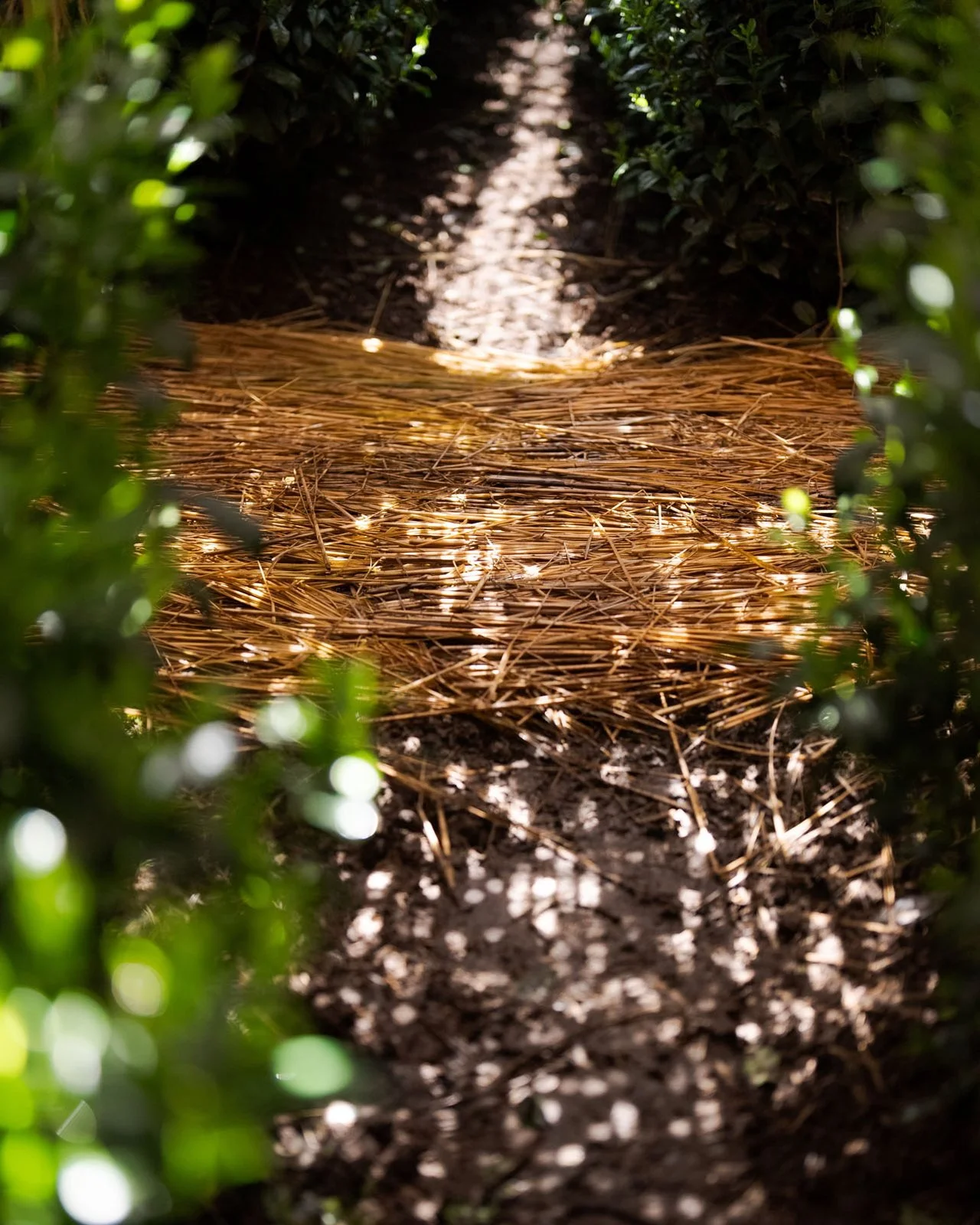
Tencha is the shaded leaf used to make Matcha.
The tea plants are covered to block direct sunlight. After harvest, the leaves are steamed and dried without being rolled. That dried leaf is Tencha. It is then finely ground, traditionally on a stone mill, into the Matcha we drink. We cover the process in more detail in What is Matcha? and What is Kabuse (Tea Shading)?
As global demand for Matcha has grown, so has attention to the quality of the Tencha behind it, and to the farmers who grow and process it.
Uji City Takes the Tencha Production Area Award
In the Tencha Production Area Award, which is decided by the combined scores of each municipality's top three teas, the results were:
1st Place: Uji City, Kyoto Prefecture
2nd Place: Joyo City, Kyoto Prefecture
3rd Place: Yame City, Fukuoka Prefecture
Kyoto took first and second, with Yame, another historic shaded-tea region, in third.
Uji City has now won the national Production Area Award for Tencha 56 times, according to the city. It also won the same award at this year's 78th Kansai Tea Competition in Yokkaichi, Mie, its 20th time there. Uji's Tencha had already swept the top six places at the 44th Kyoto Tea Competition earlier in the summer.
Uji Producers Take 1st Through 5th
All five first-class places in Tencha went to Uji City producers. Scores are out of 200, according to Kyoto Prefecture.
1st Place (200) — Minister of Agriculture, Forestry and Fisheries Award
Yoshikazu Furukawa (古川嘉和), Uji City
2nd Place (199) — Director-General of the Agricultural Production Bureau, Ministry of Agriculture, Forestry and Fisheries Award
Koki Tsuji (辻航己), Uji City
3rd Place (199) — Director-General of the Agricultural Production Bureau Award
Uji City Tea Producers' Association (宇治市茶生産組合), Yoshitsugu Furukawa (古川嘉嗣), Uji City
4th Place (198) — President's Award, Japan Tea Central Association
Fumiyo Furukawa (古川史代), Uji City
5th Place (196) — President's Award, National Federation of Tea Production Organizations
Shogo Yamazaki (山﨑省吾), Uji City
Ooika is proud to work with Shogo Yamazaki, a Tencha producer in Uji.
Kyoto's dominance went beyond the top five. Of the 32 Tencha entries that received a first, second, or third prize, 30 were from Kyoto, a 94% share of all awards in the division. Kyoto took every first-class and second-class place, and 14 of 16 third-class places.
Matcha Wire has a summary of how Uji Tencha won the National Tea Competition.
Kyoto also swept the first-class places in Kabusecha, with Ayabe City taking that category's Production Area Award.
What the Judges Said
Taniguchi's official comments on the Tencha division, published with the results, were as follows.
The top-ranking teas had a vivid, bright green appearance, the distinctive aroma of well-shaded Tencha, a liquor with depth and concentration, and a rich, abundant umami. The gap in quality between the top and middle tiers was small.
Among the lower-ranking entries, some showed uneven or insufficient color in appearance. In internal quality, some had notes of leaf damage, or noticeable bitterness and astringency.
With demand for Tencha continuing to rise, he wrote, the competition should serve as a chance to raise quality across producing regions.
Those are the same qualities that carry through to a great bowl of Matcha: a bright, clear green leaf, and a deep aroma and umami.
Why It Matters for Matcha Drinkers
Global demand for Japanese tea, and Matcha in particular, keeps growing. Competitions like this one are how producing regions hold themselves to a standard while that demand pulls farmers toward Tencha.
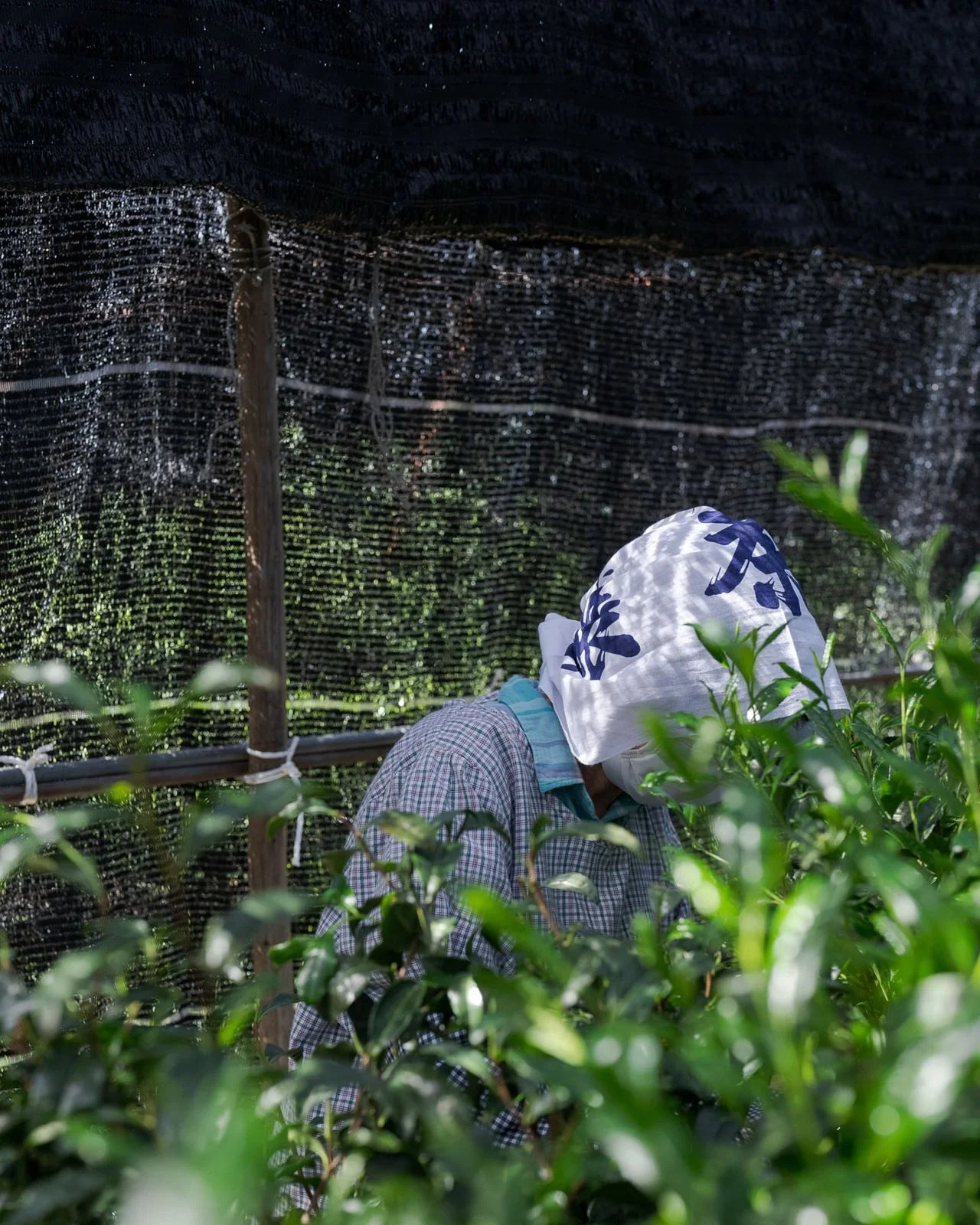
Behind every award-winning tea are years of field management, careful shading and harvesting, and skilled processing. The results also set a benchmark for each year's harvest, which buyers and producers watch closely.
Congratulations to all of this year's winners, and to every farmer who entered.