
Matcha Industry Report is Ooika's monthly coverage of the Japanese tea industry, specifically Matcha. Join our newsletter here to keep up to date.
Every summer, Kyoto's tea farmers put their best first harvest tea in front of a panel of judges. The 44th Kyoto Tea Competition (第44回京都府茶品評会) was judged on July 7 and 8, 2026, at the Uji Tea Hall (宇治茶会館) in Uji City.
It was a near-perfect year for Uji. Producers from Uji City took first through sixth place in Tencha, the shaded leaf that is stone-milled into Matcha.
What Is the Kyoto Tea Competition?
The Kyoto Tea Competition is organized every year by the Kyoto Prefecture Tea Producers' Council (京都府茶生産協議会) to improve growing and processing techniques and raise the quality of Kyoto tea, according to the Mainichi Shimbun. It judges the first harvest tea (Ichibancha) grown in Kyoto that year.
Judges score every tea on two things:
Appearance (外観): the color and look of the dry leaf.
Internal quality (内質): the aroma, liquor color, and taste of the brewed tea.
Staff from the Kyoto Prefectural Tea Research Institute serve as judges and run the scoring, according to the institute. Improvements the judges spot in cultivation and processing are passed back to the farmers who entered.
The competition is also the first step toward the bigger stages. The top-placing teas become eligible for the Kansai Tea Competition and the National Tea Competition later in the summer, as the Mainichi Shimbun explained in its coverage of last year's event.
Context Note: The Kyoto Tea Competition is not the same as the Uji Tea Competition (宇治茶品評会), a separate contest run by the Kyoto Tea Cooperative that judges tea merchants' finishing skills.
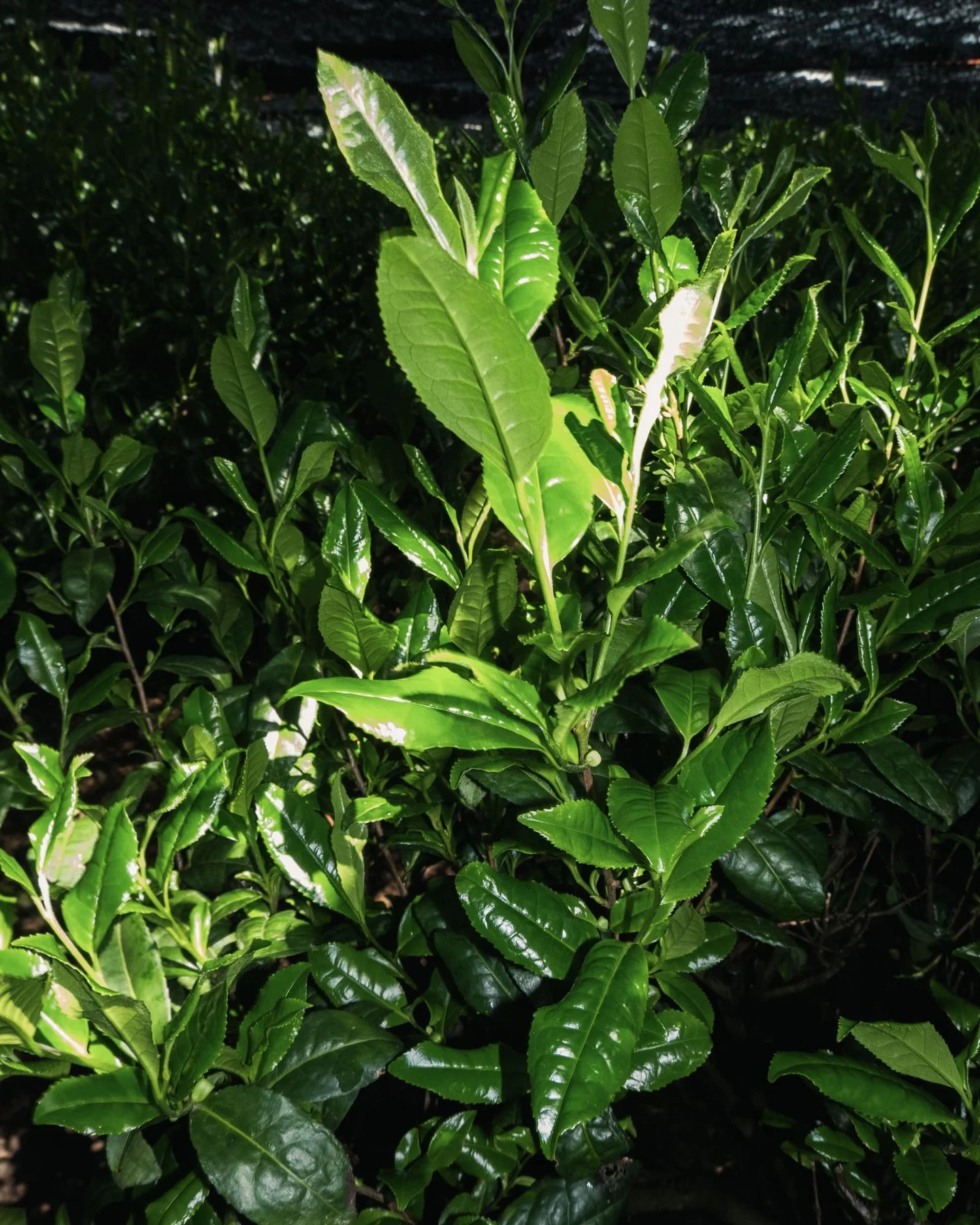
240 Entries, and Half of Them Were Tencha
This year, 240 first harvest teas were entered by producers from 12 cities, towns, and villages across Kyoto, from Uji, Kyotanabe, Wazuka, and Ujitawara in the south to Ayabe, Maizuru, and Fukuchiyama in the north.
Tencha: 121 entries
Gyokuro: 52 entries
Kabusecha: 34 entries
Sencha: 33 entries
Compare that with last year. The 43rd competition in 2025 drew 268 entries from 13 municipalities: 119 Tencha, 60 Gyokuro, 54 Kabusecha, and 35 Sencha.
So Tencha entries actually rose slightly, while every other tea fell. Kabusecha entries dropped by more than a third. Tencha went from about 44% of all entries to just over half.
That mirrors what is happening across Kyoto. As farmers switch fields to Tencha to keep up with global Matcha demand, there is less of every other tea, a shift we covered in why all Japanese tea prices are rising. Matcha Wire has also reported on how Matcha demand is shifting Japanese tea cultivation away from other teas.
The 2026 Results
In total, 77 teas received a first, second, or third prize, according to the Global Japanese Tea Association. The top places split clearly by region.
Tencha: Uji City Takes 1st Through 6th
Uji City producers swept the top six places in Tencha, the largest category by far.
Gyokuro: Kyotanabe City Takes 1st Through 3rd
Kyotanabe City took all three top places in Gyokuro.
Sencha: Minamiyamashiro Village Takes 1st and 2nd
Minamiyamashiro Village took the top two places in Sencha.
Kabusecha: Ujitawara Town 1st, Ayabe City 2nd
Kabusecha was the most spread out. Ujitawara Town in southern Kyoto took first place, and Ayabe City in northern Kyoto took second.
Each area has built its own specialty over generations, and the national results backed that up. At this year's National Tea Competition, Ayabe won the regional award for Kabusecha and Kyotanabe placed second for Gyokuro, according to Kyoto Prefecture.
What the Judges Said
A panel of 13 judges, led by chief judge Yasuzo Tsutsumi, Director of the Kyoto Prefectural Tea Research Institute, scored the teas. They included institute researchers and members of Kyoto's tea production and distribution groups.
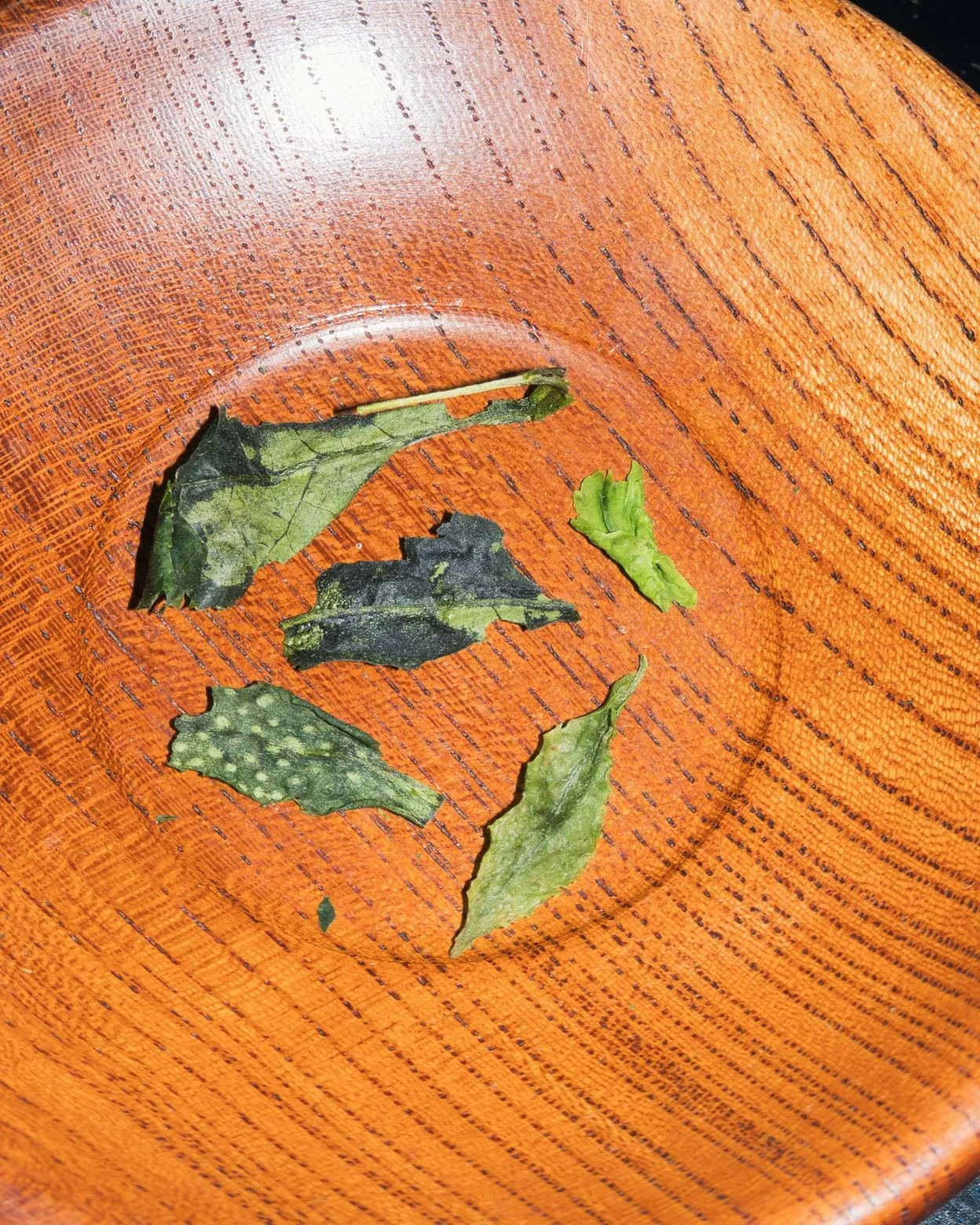
According to Tsutsumi, this year's Tencha stood out for its vivid color, rich aroma, and remarkable sweetness and umami.
That fits what the judges look for in top Tencha: a bright, clear green leaf, and a brewed tea with deep aroma and umami. Those are the same qualities that carry through to a great bowl of Matcha.
From Kyoto to the National Stage
Uji's Tencha didn't stop at the prefectural level. In August, Uji City won the regional award (産地賞) for Tencha at both the 78th Kansai Tea Competition in Yokkaichi, Mie, and the 80th National Tea Competition in Ureshino, Saga, according to Uji City.
At the National Tea Competition, Kyoto took the top five places in Tencha, and all five went to Uji City producers. Yoshikazu Furukawa of Uji won first place and the Minister of Agriculture, Forestry and Fisheries Award. Uji has now won the national regional award for Tencha 56 times. Matcha Wire has a summary of how Uji Tencha won the National Tea Competition.
For comparison, see last year's 79th National Tea Competition results and the 2025 Kansai Tea Competition results.
Why It Matters for Matcha Drinkers
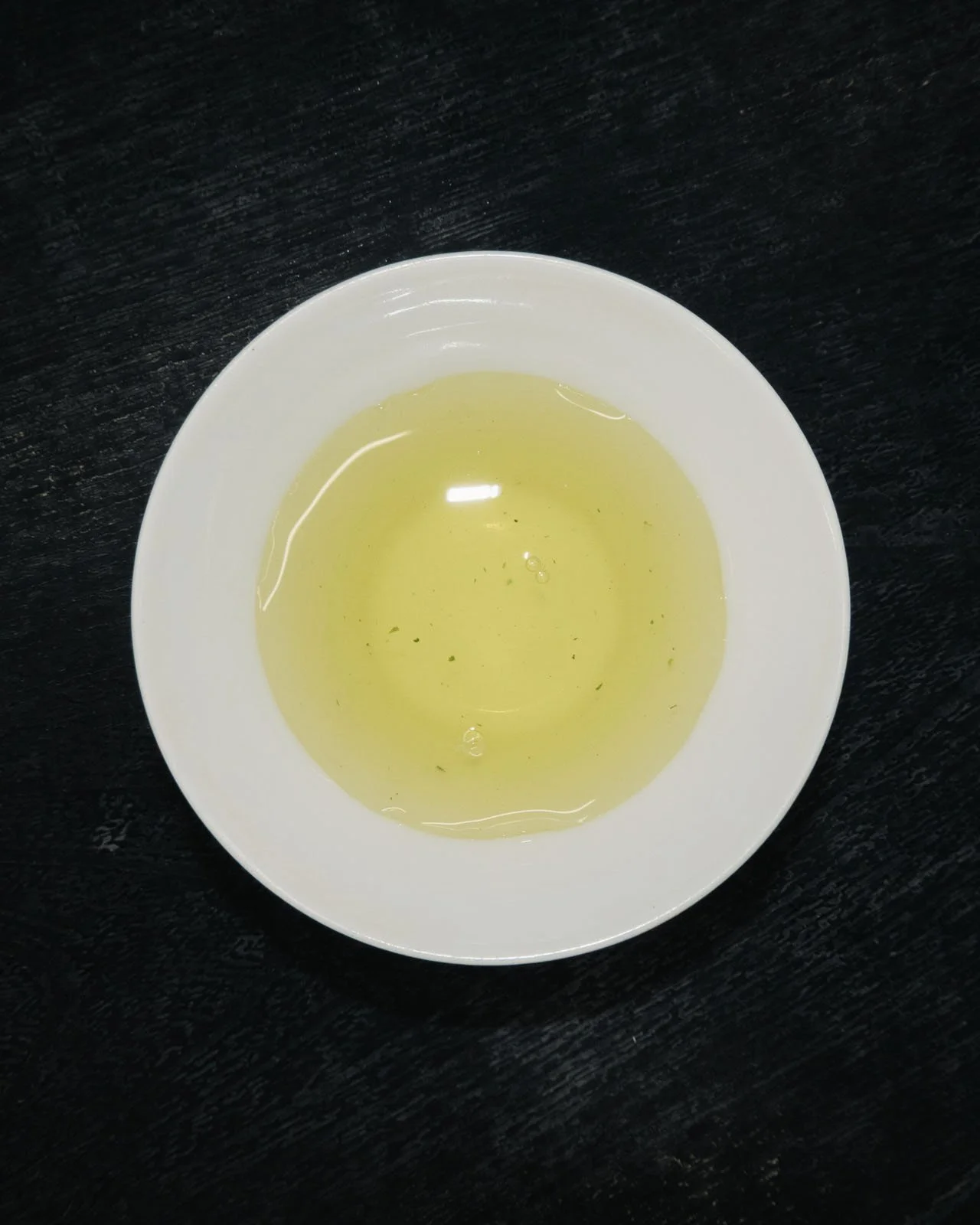
Global demand for Japanese tea, and Matcha in particular, keeps growing. Competitions like this one are how Kyoto holds itself to a standard while that demand pulls farmers in new directions.
Behind every award-winning tea are years of field management, careful shading and harvesting, and skilled processing. The results also set a benchmark for each year's harvest, which buyers and producers watch closely.
Congratulations to all of this year's winners, and to every farmer who entered, for keeping the bar for Kyoto tea so high.