
Matcha Industry Report is Ooika's monthly coverage of the Japanese tea industry, specifically Matcha. Join our newsletter here to keep up to date.
Kagoshima grows more Tencha than any other prefecture in Japan. But most of it leaves Kagoshima before it ever becomes Matcha.
That is starting to change. On October 8, 2026, JA Kagoshima Prefectural Economic Federation (JA鹿児島県経済連) and its subsidiary JA Kagoshima Chagyo (JAかごしま茶業) broke ground on what they say will be the largest Matcha processing facility in the prefecture, according to KYT News.
The New Facility at a Glance
The plant is being built inside the Kagoshima Tea Distribution Center (かごしま茶流通センター) in Nan'ei, Kagoshima City. The total project cost is about ¥2.6 billion, and the federation is using national government subsidies, the Yomiuri Shimbun reported.
Here are the key numbers, from the Kagoshima City location agreement and local news:
Cost: about ¥2.6 billion
Building: two-story steel frame, 2,567.52 m² building area
Capacity: about 300 tonnes of Matcha a year, with equipment that can make up to 1,500 kg a day
Start of operations: December 2027 (planned)
Staff: 8 people by year five, including 6 new hires
What It Will Actually Do
The facility will not grow tea. It will take Tencha, the shaded, dried leaf that is ground into Matcha, and handle every step from there: refining and sorting (精選), sterilization (殺菌), and grinding (粉砕).
It works on a contract basis. Tea merchants in Kagoshima send their Tencha in, and the plant processes it for them, according to Kagoshima City's press release.
The sterilization line is aimed at exports. The Asahi Shimbun reported that the sterilization equipment is being installed with overseas sales in mind, and the Minami-Nippon Shimbun's headline calls the sterilization function a first for the prefecture.
From 10 Tonnes to 300
Today, the JA federation's group makes only about 10 tonnes of Matcha a year. The new plant would raise that roughly 30-fold, KYT reported.
The plan has also grown. When the project was first drawn up in 2024, the target was 150 tonnes a year. The federation doubled it after Matcha demand kept climbing, according to the Asahi Shimbun.
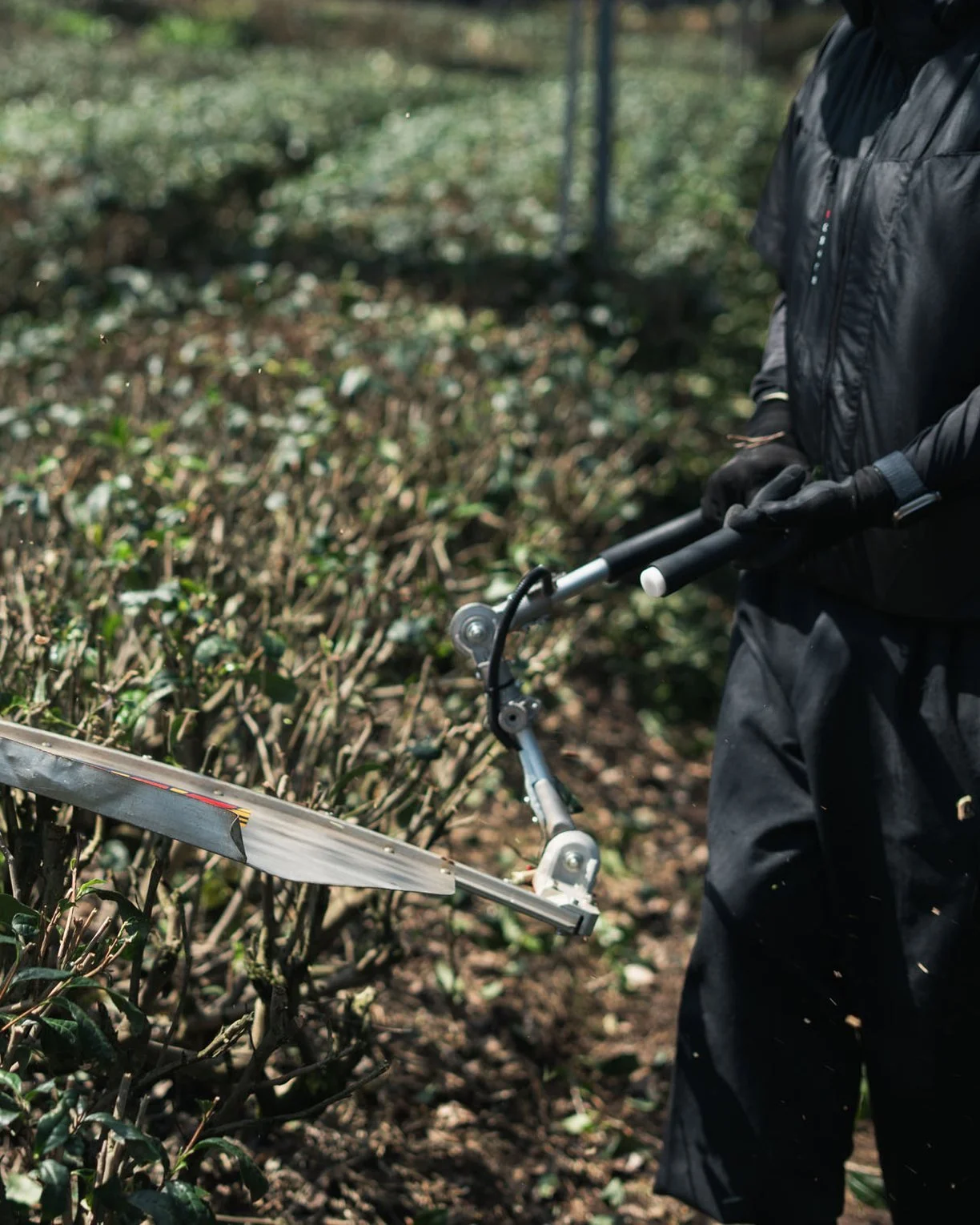
Why Kagoshima Needs Its Own Matcha Factories
Japan's Top Tencha Region
Kagoshima is now Japan's number one tea prefecture. Its 2025 Aracha (crude tea) output was 30,000 tonnes, first in Japan for the second year in a row. Its 2025 Tencha output was 2,670 tonnes, first in Japan for the sixth year in a row, according to the Asahi Shimbun, citing the Japan Tea Central Council.
That is about 40% of all the Tencha grown in Japan, per KYT. We covered how Kagoshima overtook Shizuoka in The Changing Landscape of Japan's Tea Industry.
But Most of It Is Milled Elsewhere
About 90% of the Tencha grown in Kagoshima is processed at facilities outside the prefecture, mainly in Shizuoka and Kyoto, KYT reported.
The JA federation estimates that only about 400 tonnes of Matcha a year are made inside Kagoshima. As of the end of April 2026, the prefecture had nine Matcha factories in operation, according to the Asahi Shimbun, citing the prefecture's agriculture division.
Keeping the Value at Home
Selling Tencha is less profitable than selling Matcha, the Yomiuri noted. When the leaf is milled in another prefecture, much of the added value goes with it.
A federation official told the Asahi: "Just shipping out Aracha leaves thin margins. By making products, we want to raise our margins, keep the profit locally, and return it to growers."
The federation's chairman (上宗光) put the goal simply: "We want to aim to be number one in Japan not just in production volume, but in finished products too."
A Wave of New Matcha Plants in Kagoshima
The JA plant isn't alone. Kagoshima's tea companies are building their own milling capacity too.
Horiguchi-en in Shibushi: 800 Tonnes
Horiguchi-en (堀口園), a tea company in Shibushi City, is building a grinding plant called "SGP" next to its headquarters. It will grind, sterilize, and pack Matcha, with a planned capacity of 800 tonnes a year, according to Shibushi City. The investment is about ¥1.9 billion, and operations are planned for around May 2027.
The city says Shibushi is Japan's top municipality for Tencha output, that many farmers are still switching their Aracha production over to Tencha, and that there are too few grinding facilities, so Tencha is waiting in line to be ground and processing fees are rising.
Oohashi Seicha in Kagoshima City: 100 Tonnes
Oohashi Seicha (大橋製茶) signed its own location agreement on October 2, 2026, for a plant that will finish Tencha and grind, portion, and pack Matcha, according to Kagoshima City. It is planned to open in March 2028 and make about 100 tonnes a year, around five times its current output, the Yomiuri reported.
Oohashi currently sends its Tencha out of the prefecture to be milled. Last year, it waited three months for processing. "There were times when we had orders and we had the raw material, but we couldn't get it processed," Oohashi Seicha's president told the Asahi Shimbun.
Matcha Wire has more on how Kagoshima is building Matcha plants to strengthen its brand, and on Japan's rush to mill more Matcha.
The Real Bottleneck Is Milling
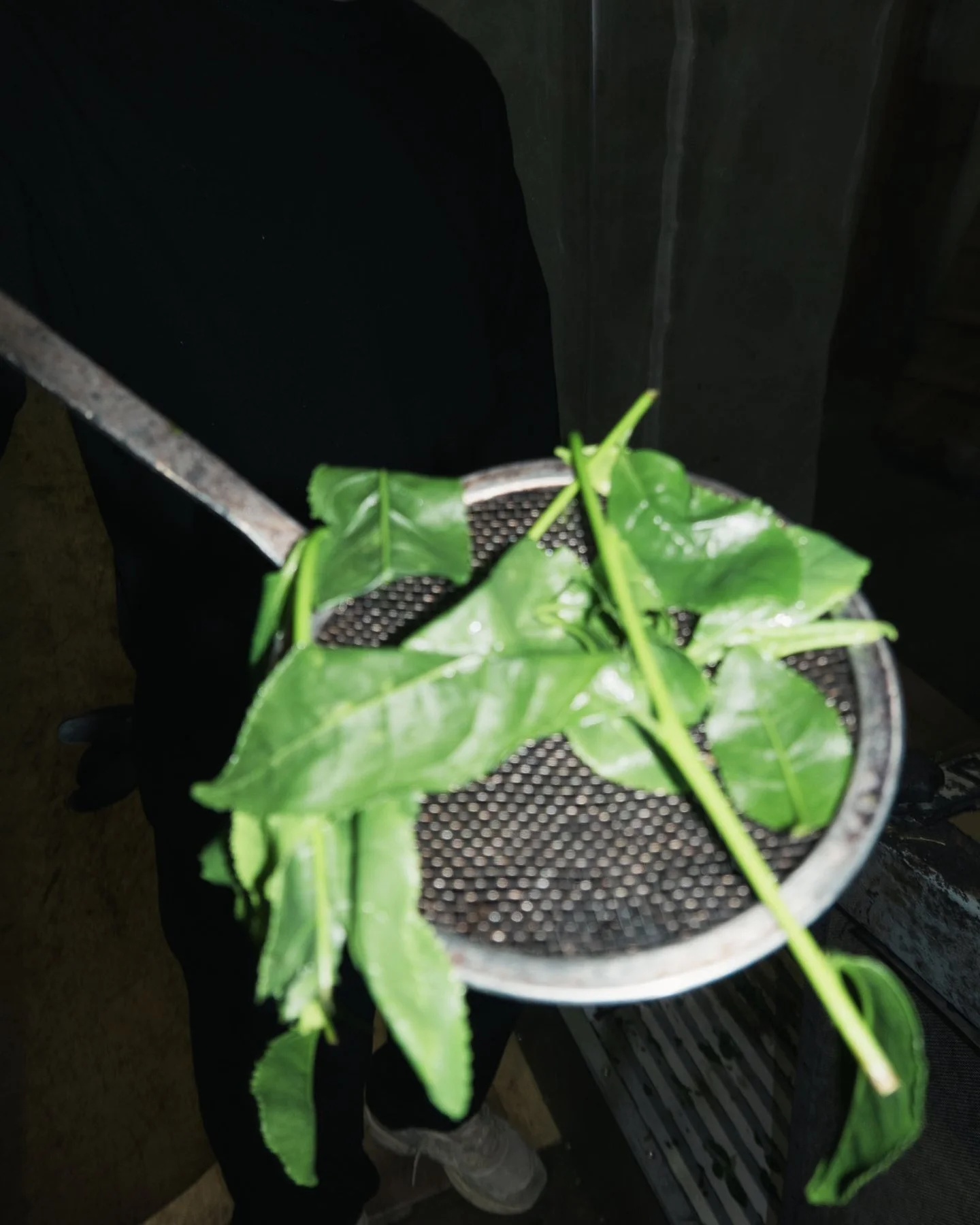
These stories all point to the same problem. Japan has been growing more Tencha, but it hasn't had enough capacity to turn that Tencha into Matcha.
We've argued this before: the Matcha shortage is as much a milling problem as a leaf problem. Horiguchi-en's president said the same thing at his company's signing, calling the lack of grinding capacity "a bottleneck" in the global boom, according to the Kagoshima Construction News.
A Note on Milling Methods
None of the announcements say what kind of mills the new plants will use. Traditional granite stone mills grind slowly, and fine Matcha is still stone-milled. Industrial plants can also use other grinding methods. So bigger capacity doesn't automatically mean more stone-milled Matcha.
Origin Still Matters
More Kagoshima Matcha made in Kagoshima is good news for transparency. When Tencha is grown in one prefecture and milled in another, origin can get blurry.
Kagoshima, Uji, Yame, and Shizuoka each have their own climate, cultivars, and ways of growing and processing tea. If you want to learn how they differ, see our guide to the 5 famous Matcha regions in Japan.
At Ooika, all of our Matcha is milled in the United States, from Tencha sourced from farmers in Japan. Milling here means we don't add to the line at Japanese mills, and every Matcha reaches you freshly ground. It's also the idea behind our Matcha Mill Club: learning a different Matcha, and its origin, with each shipment.
What to Watch
Around May 2027: Horiguchi-en's SGP plant is scheduled to begin operations.
November–December 2027: The JA facility is expected to be completed in November 2027 and start operating in December.
March 2028: Oohashi Seicha's new plant is scheduled to open.
If these plants open on time, Kagoshima could make far more of its own Matcha within about two years. We'll keep following the story in our monthly Matcha Industry Reports.