
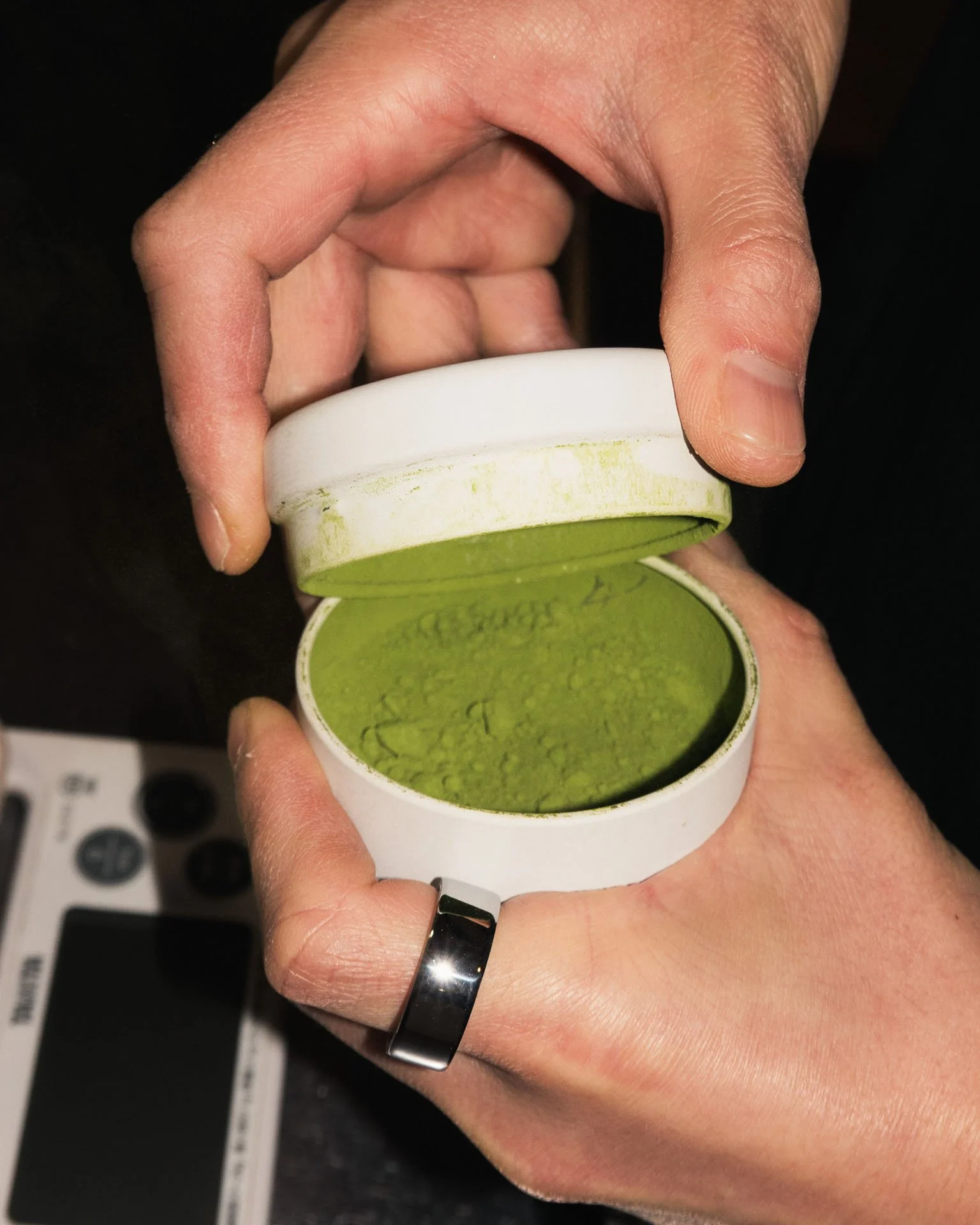
We’re bleeding into 2026, and the Matcha shortage continues. More cafes in the West have discontinued Matcha lattes or Matcha powders, as stocks continue to fall. The 2026 Tencha (unground Matcha) harvest will begin this Spring, and we’re hoping for a good turnout. In the meantime, we’ll compile some more Matcha shortage facts.
If you haven’t already, take a look at our other article with 11 facts about the Matcha shortage here.
1 - This isn’t the First Matcha Shortage We’ve Had
The 2024-2025 Matcha shortage is no doubt the most severe shortage, but it’s not the only one. There have been two notable ones, most recently in 2005 due to Starbucks and previously in 1996 because of Haagen-Dazs. Interestingly enough, all three shortages were caused by international demand – primarily American! Let’s cover the 1996 and 2005 shortages.
The 1996 & 2005 Shortages
In 1996 US-based Haagen-Dazs released “green tea” ice cream. At this period of time there was little attention given to Matcha, at least internationally. The American-based company started approaching tea producers and ultimately landed on Wazuka, a growing region not far from Uji in Kyoto, Japan.
In 1995 there were 238 tons of Tencha in Kyoto. Price increased by 50% in 1996: 4,000 yen to 6,000 yen, and from 10,000 yen to 15,000 yen.
This boom sparked Wazuka increasing Tencha Production: 1 Tencha oven in 1989, 4 in 1996 and 34 in 2015.
Starbucks’ launch of the Matcha Cream Frappuccino® in 2001 caused world-wide interest in Matcha.
Wazuka had virtually no Tencha production previously, instead growing Sencha - a popular loose leaf green tea. By 2025, nearly the entire Wazuka region is Tencha.
2 - Matcha isn’t popular in Japan
We’ve mentioned this before, but in general Matcha isn’t popular in Japan. Daily consumption is limited, and most Matcha comes in the form of sweets and food items. Even in these cases, the sweets don’t actually contain Matcha but rather un-shaded powdered green tea. To put this into perspective:
Only 29.6% of Japanese have ever whisked a bowl of Matcha.
70% of Japanese have never whisked Matcha themselves.
Only 0.8% drink Matcha "every day."
From 2008 to 2023 the export of green tea has exploded by 9X (29.2B Yen) primarily to the USA and Europe. Despite this, there was a 20% decrease in overall tea production and a 40% decrease in domestic spend on green tea. Put simply: Japanese interest in green tea is declining while the world craves more of it.
3 - Japan’s tea production in decline
Matcha is gaining popularity, but the overall tea industry is in decline. We might expect that to change over the next 10 years. The biggest concern is the lack of tea farmers. As of 2024, over 70% of tea farmers were over the age of 65 years old.
We don’t have the statistics of how many of those farmers have heirs (sons) who will take over the farming when they retire — but from anecdotally visiting farms across Japan, it seems like the number is quite small.
Overall, in the year 2000 there were 53,687 tea farms in Japan. By 2015 the number fell to 19,603. Another drop to 12,000 in 2024. We’ll see how this stabilizes in the coming years. We can assume that many of the remaining farms will switch to producing Tencha (unground Matcha) from other kinds of Japanese teas.
4 - Costs are rising
Matcha prices have been consistently on the rise. Early on, Ooika’s Matcha Mill club would send out 20 grams of Matcha for about $49 a month. This was the typical price point for 20 grams of heritage, single-origin Matcha. Now, the same 20 grams of Matcha can retail on average for over $100. Some other large names in the Matcha industry have discontinued their mill clubs, we assume due to these cost increases.
Over the past two years, Wholesale Matcha at Ooika increased by up to 35%.
The cost for the Barista Matcha that we used in our cafe drinks has increased by 30-40%. We raised all our menu prices by $1.
Japan Tariffs were at 10% and last week increased to 15% for a period which affected pricing as well.
It’s important to recognize that pricing is always in flux, based on the supply and demand of the market. In general though, prices have risen and are expected to continue rising.
5 - Auction House prices up 1.7X
Farmers sell their Tencha in two primary ways: directly to tea companies (private), and at auction (semi-public*). While we can’t know how private sales have increased, we do know some details from the auction.
According to farmers in Uji, auction prices are 1.7X the price from last year, and sometimes up to 5.5X+.
Machine harvested tea as high as ¥50,000 per KG.
Hand-picked for ¥45,000 to ¥60,000.
Some lots for machine-harvested tea are around ¥30,000 to ¥40,000 per kilo.
Average price per KG at the first JA Zennoh auction in 2025 was 1.7X higher than previous year.
Kyoto’s Auction Numbers
Here are some averages from the first auction held in Kyoto every year to mark the start of the tea-trading season:
2022, ~3,800円 per KG.
2023, ~4,800円 per KG.
2024, ~4,800円 per KG.
2025, 8,235円 (Record high) per KG.

The Shortage Continues
Producers in Japan are cautiously increasing their production capability with more stone mills, more tea plants being planted, and more tea fields. New infrastructure takes years to get online, and some are suspicious that the Matcha boom may be a passing fad. We’ve yet to see how things will progress, but it seems unlikely that international interest in Matcha will dry up.

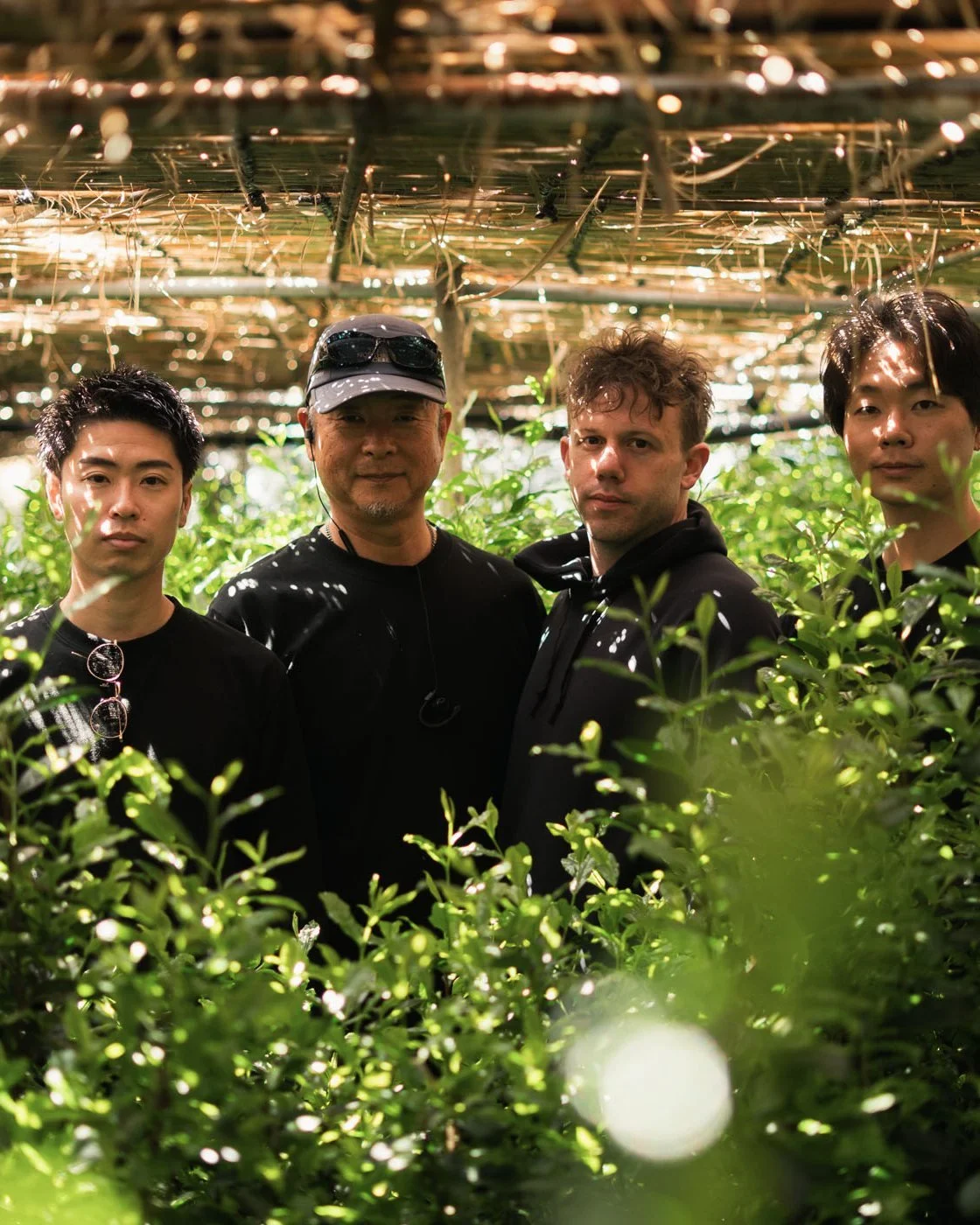
Kagoshima is now Japan’s top tea region, Tencha output has tripled, and green tea exports hit a record ¥72.1 billion. Here’s what MAFF’s 2026 report says about where Japanese tea is headed.