 Image 1 of 2
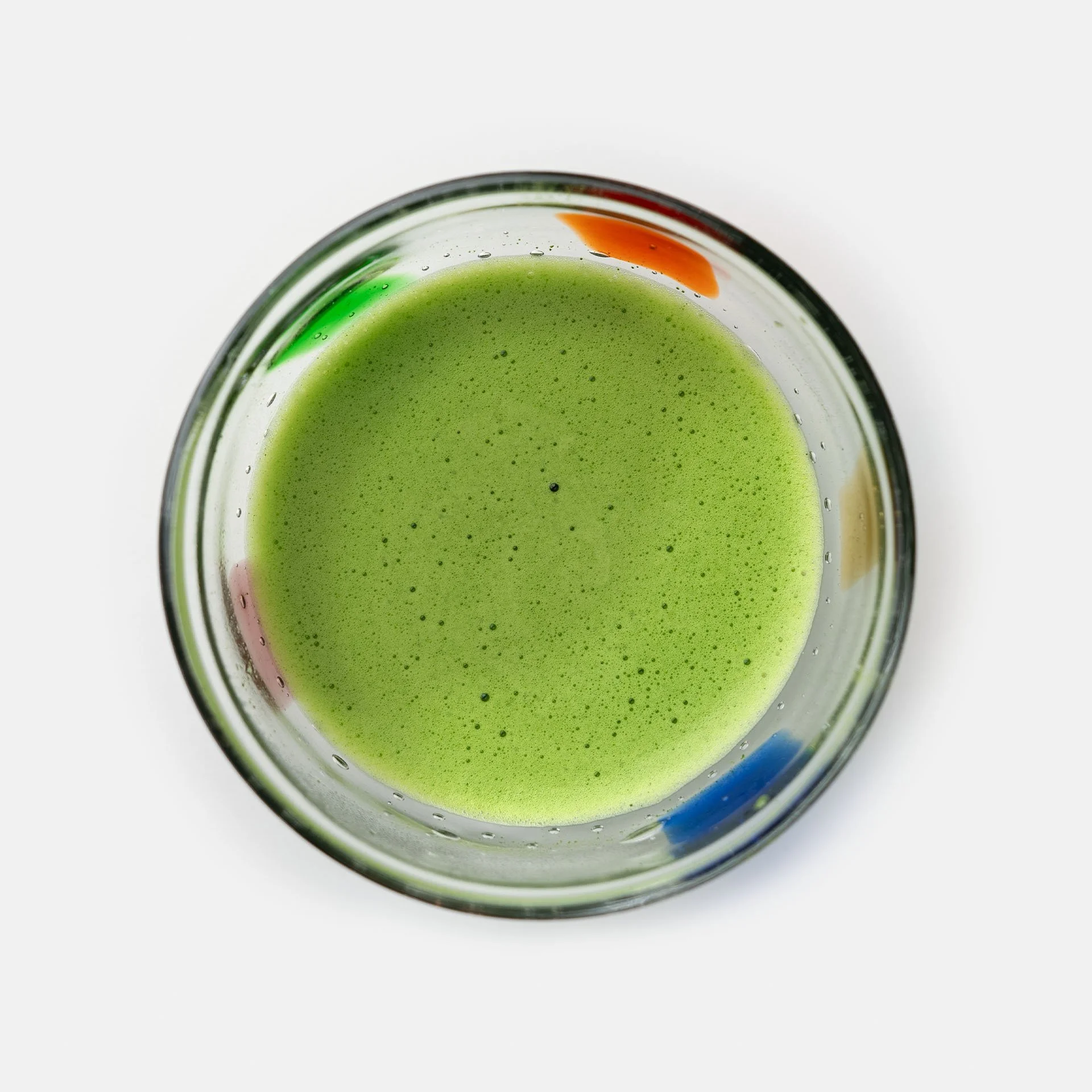 Image 2 of 2
Okuyutaka Matcha - Kurazumiさん Hoshino
2025 Vintage
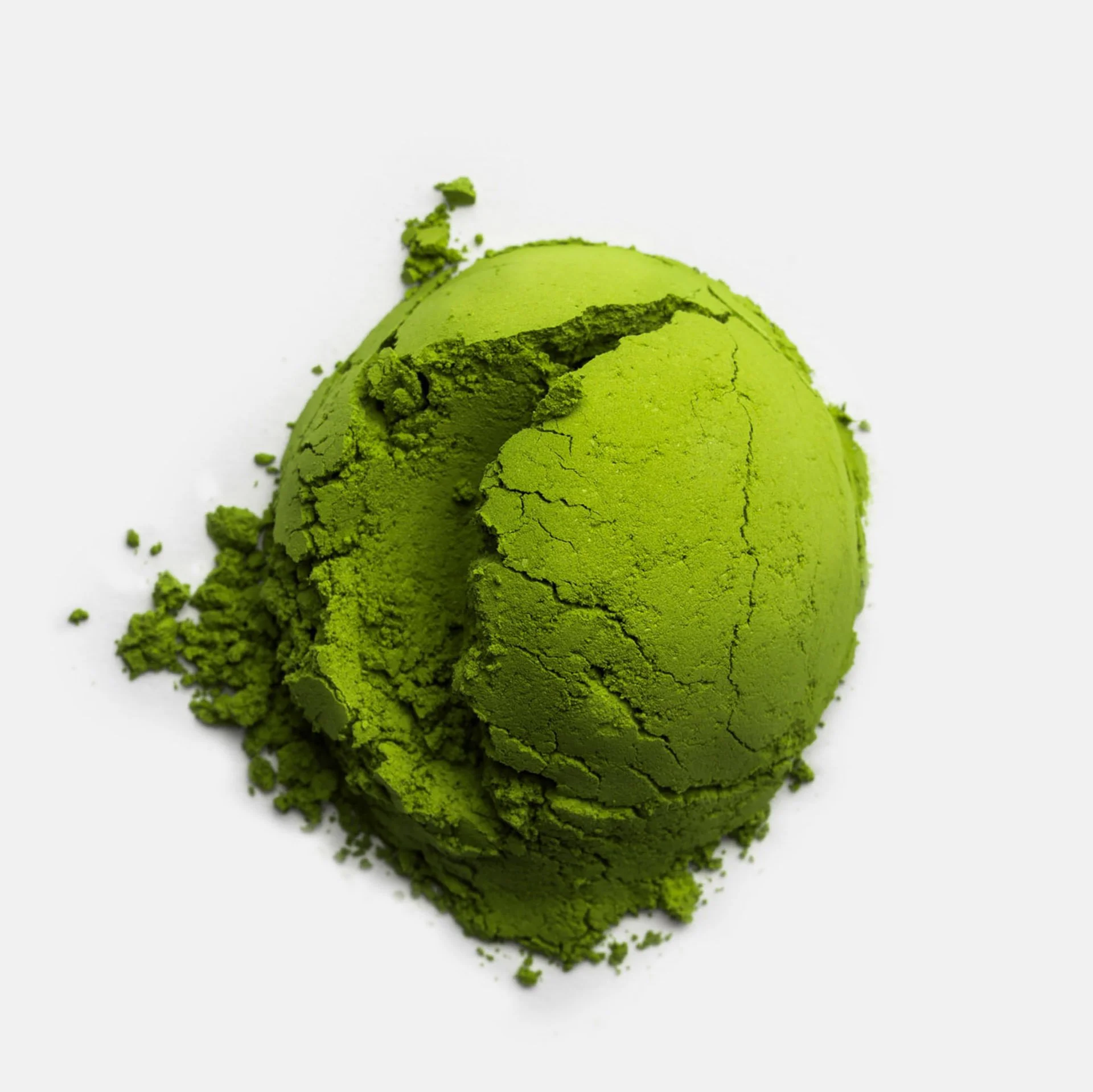
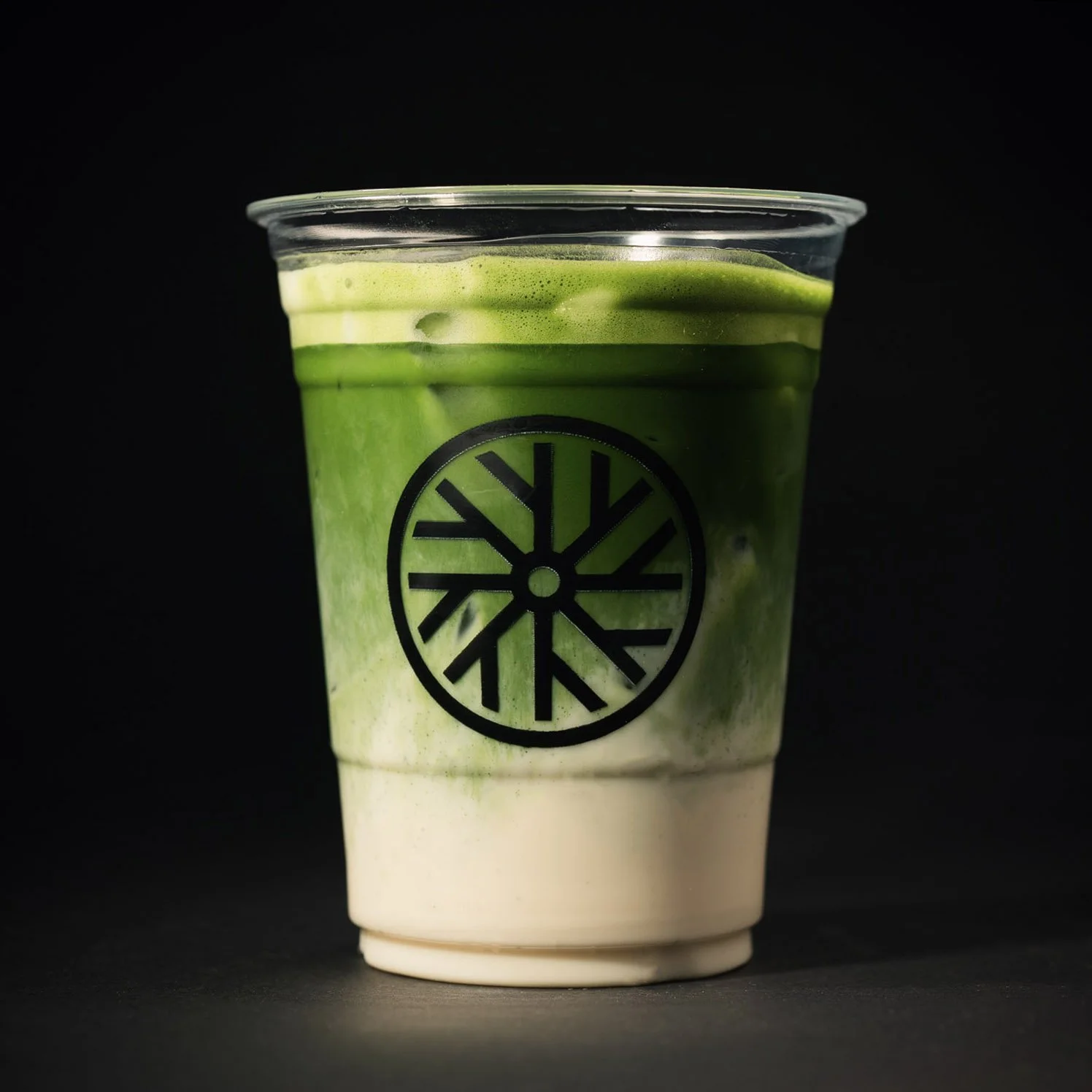
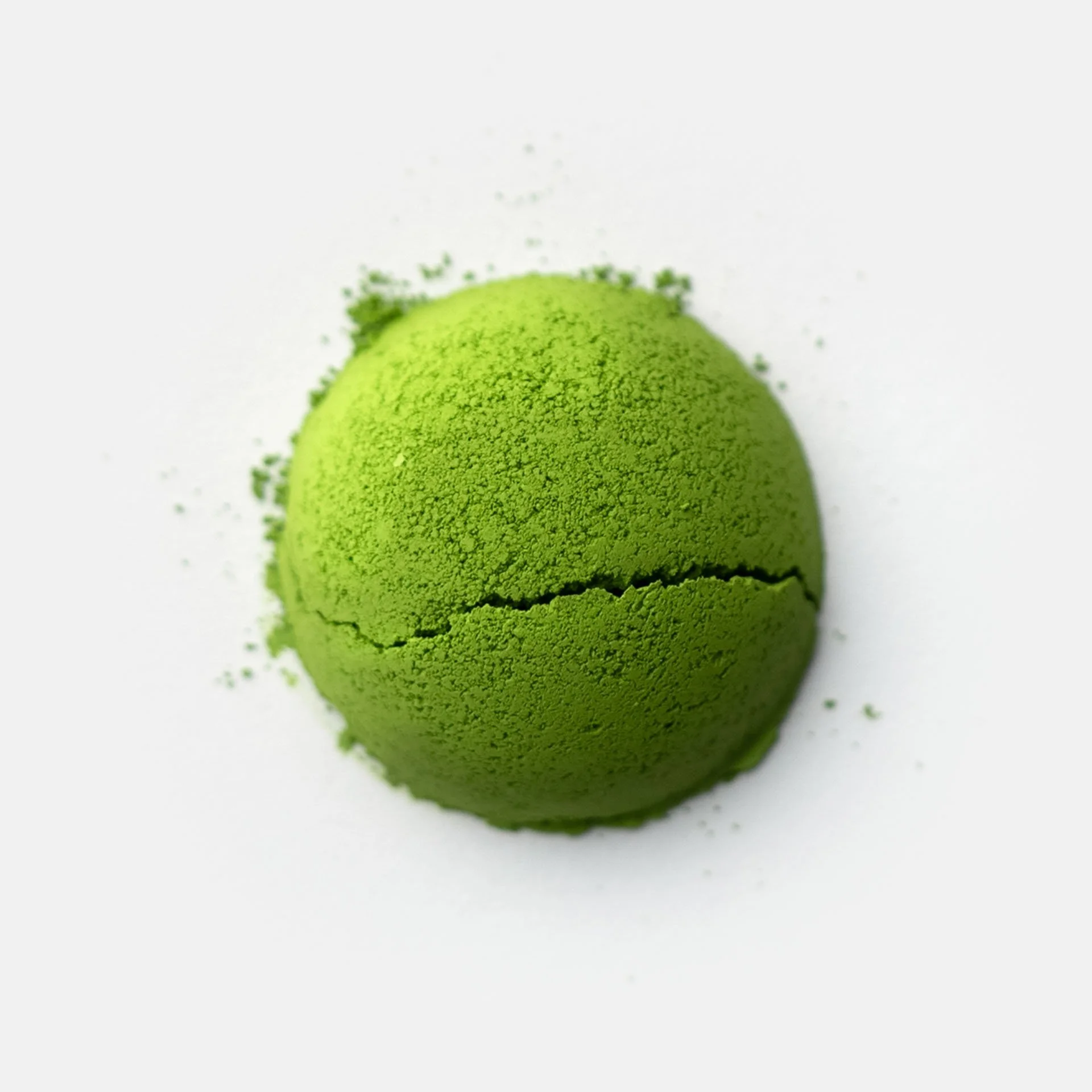
Kurazumiさん’s Matcha sets the standard for what Yame Matcha can be. Luscious, silky, and wonderfully milky. When you whisk and drink a bowl of the Matcha as Usucha, you’ll immediately think of frothed or steamed milk.
Ooika is thrilled to carry Kurazumiさん’s Okuyutaka cultivar. A multi-generation true master of tea production, and a four-time first-place winner of the highly esteemed National Tea Competition (全国茶品評会), most recently in 2023 within the most distinguished category: Gyokuro.
The tea plants used to create this Matcha were grown in the field directly opposed to this year’s first-place tea in all of Japan for 2023. It can not be overstated how important this is.
-
Kurazumiさん’s Matcha is perhaps one of the most sincere representations of Matcha from Yame, Fukuoka. First place winner of the highly esteemed 2018 National Tea Competition (第75回全国茶品評会) Gyokuro category, and his father holds over 5 First place awards in the same category.
We can discuss the terroir: rolling, foggy hills, in the mountains of northern Fukuoka Prefecture. Ideal for tea, the cool damp terroir has wide temperature fluctuations between night and day which is well suited for tea plants, and increases the sweetness.
Kurazumiさん operates one of the oldest Tencha factories in Japan at over 90 years old. This factory is only turned on once a year, and it takes an entire night to heat up.
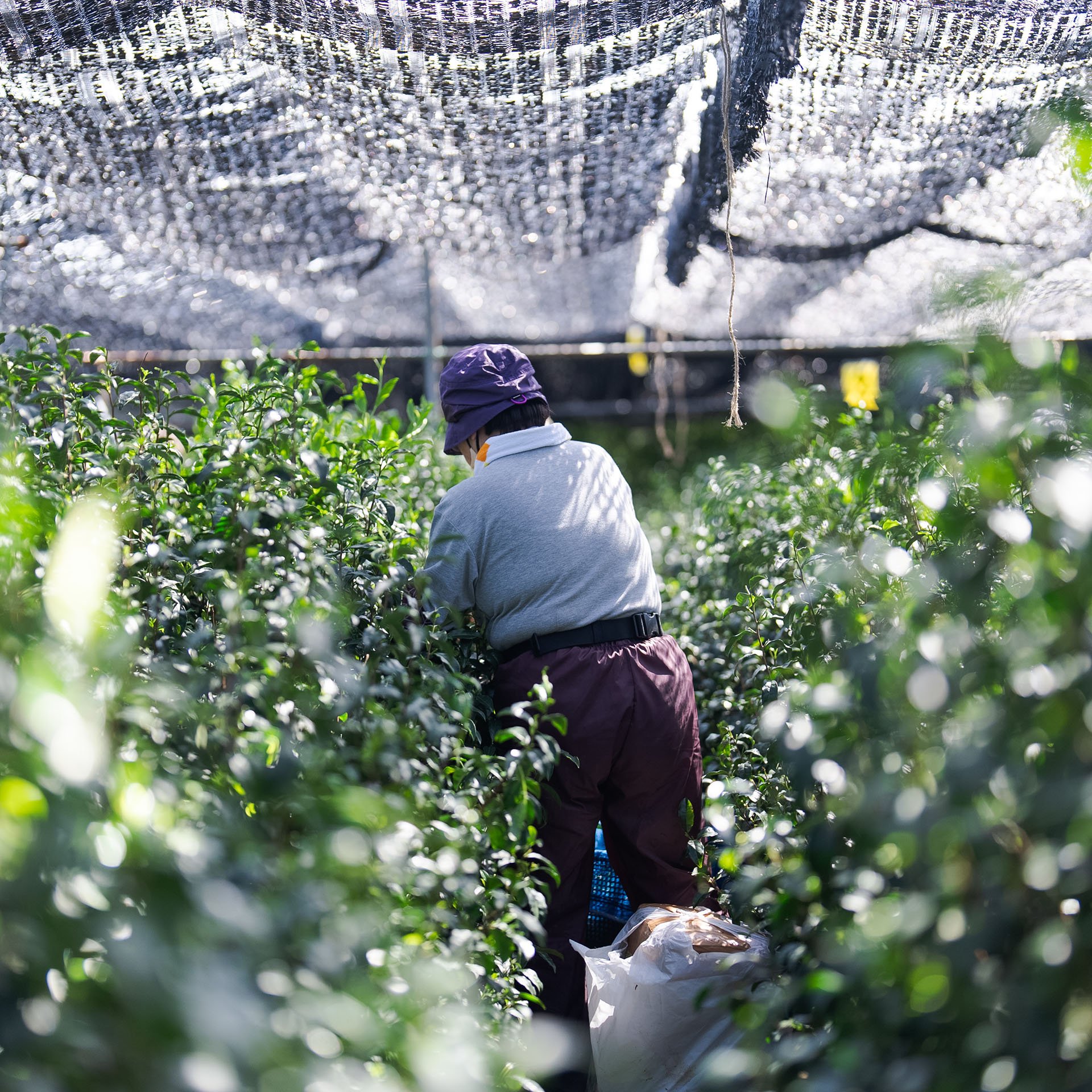
Most impressively is the rigorous production methods, which include 100% hand picking, known as Tezumi (手摘み) and Komo, Woven Rice Straw 稲わらを編んだもの(簀巻、こも) shading. There are few farmers in Japan that continue these ancient practices—Kurazumi is one of them.
This year, 2024, Kurazumiさん took first place for the 4th time in Japan’s most important tea competition — the National Tea Competition of Japan.
This year’s competition was held in Yame to celebrate the region’s 600 anniversary in tea production. There’s a poetic beauty in Kurazumiさん winning the award this year — representing both his own person skill, as well as the excellent terroir Yame where he grows his tea.
-
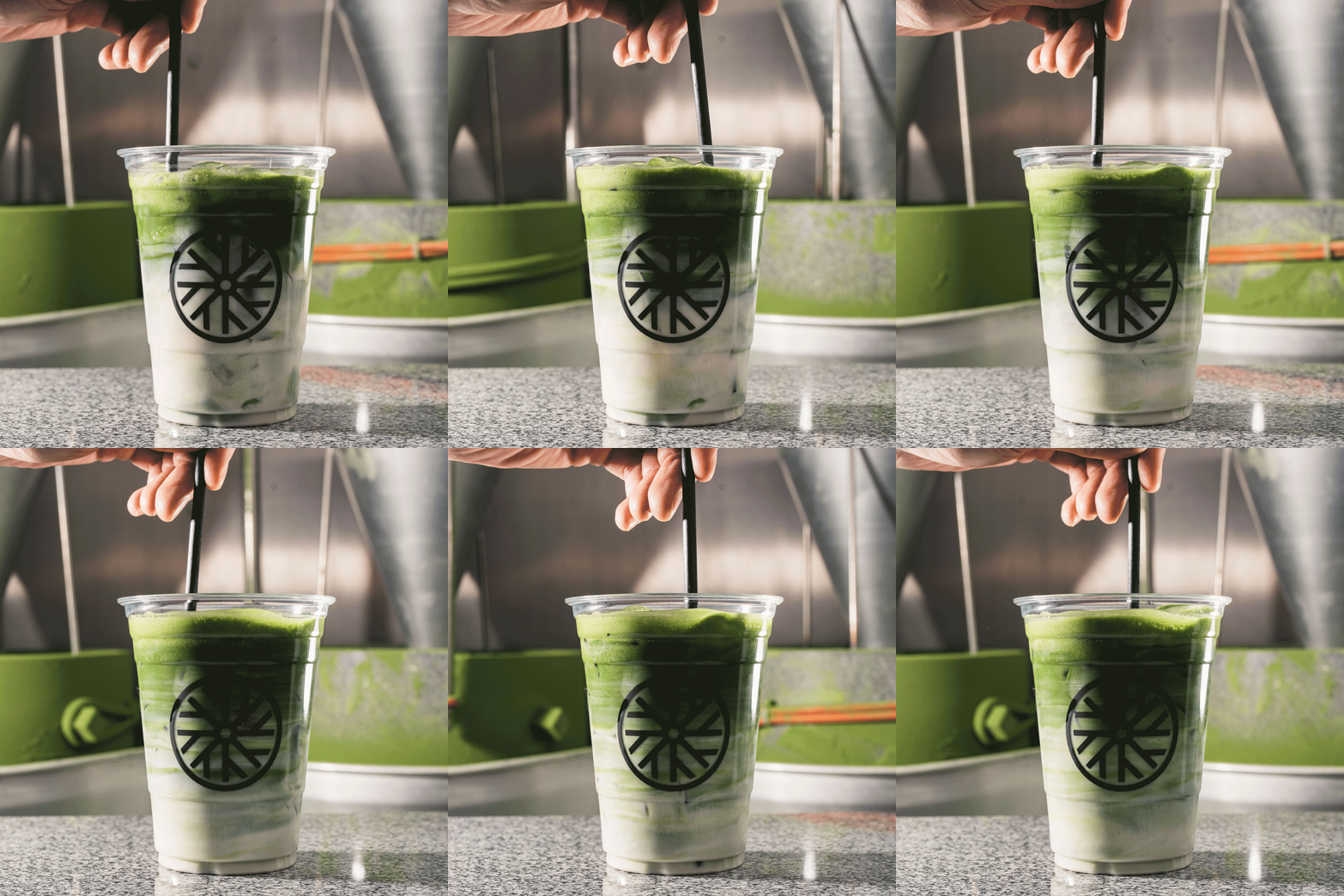
To make a fresh and smooth bowl of Usucha or Koicha, follow our whisking instructions.
-
Long-term Storage: Store unopened Ooika Matcha in the refrigerator. Consume within 6 months.
Room-Temp Short-term Storage: Store opened Ooika Matcha in a cool, dark place away from sunlight. Consume within 3 months.
Refrigerator Short-term Storage: Opened Matcha can be stored in the refrigerator to help maintain freshness, however, the Matcha is at risk of condensation when cooler than ambient air. For this reason, if you choose to store an opened Matcha in the refrigerator, be sure to take the Matcha you need and then immediately place it back in the refrigerator to minimize exposure to the warm air.
Ochairinikki (御茶入日記)

Category Green tea (お茶) |

Subcategory Oishitacha (おおいしたちゃ) |

Cultivar Okuyutaka (おくゆたか) |

Producer Kurazumiさん |

Terroir Hoshino, Yame, Fukuoka, Japan |

Vintage 2025 |

Shading Duration Approx. 25 days |

Milling Ishi-Usu (石臼) Stone-Milled by Ooika |

Harvest Time Single Spring Harvest (一番茶) |
Visit the Farm
OOIKA MATCHA leads the industry with the most precise souring details and transparency. Let’s visit Kurazumiさん’s farm and see where this Matcha comes from.
Producer Details

Kurazumiさん
“The sweeter and more delicious the leaves are to us humans, the more the bugs will like it too,” Kurazumiさん remarked.
“High risk, low return.” Like houses, the price is limited to the neighborhood. More difficult cultivation techniques don’t result in higher profits, and often the opposite.
Inquiring on some topics over the phone, Kurazumiさん once said to me “百聞は一見に如かず ひゃくぶんはいっけんにしかず (Seeing once is better than hearing a hundred times.)
To know Matcha is to be there, in the fields, breathing the dew and feeling the strands of spider web against your knees that bisect the bushes.
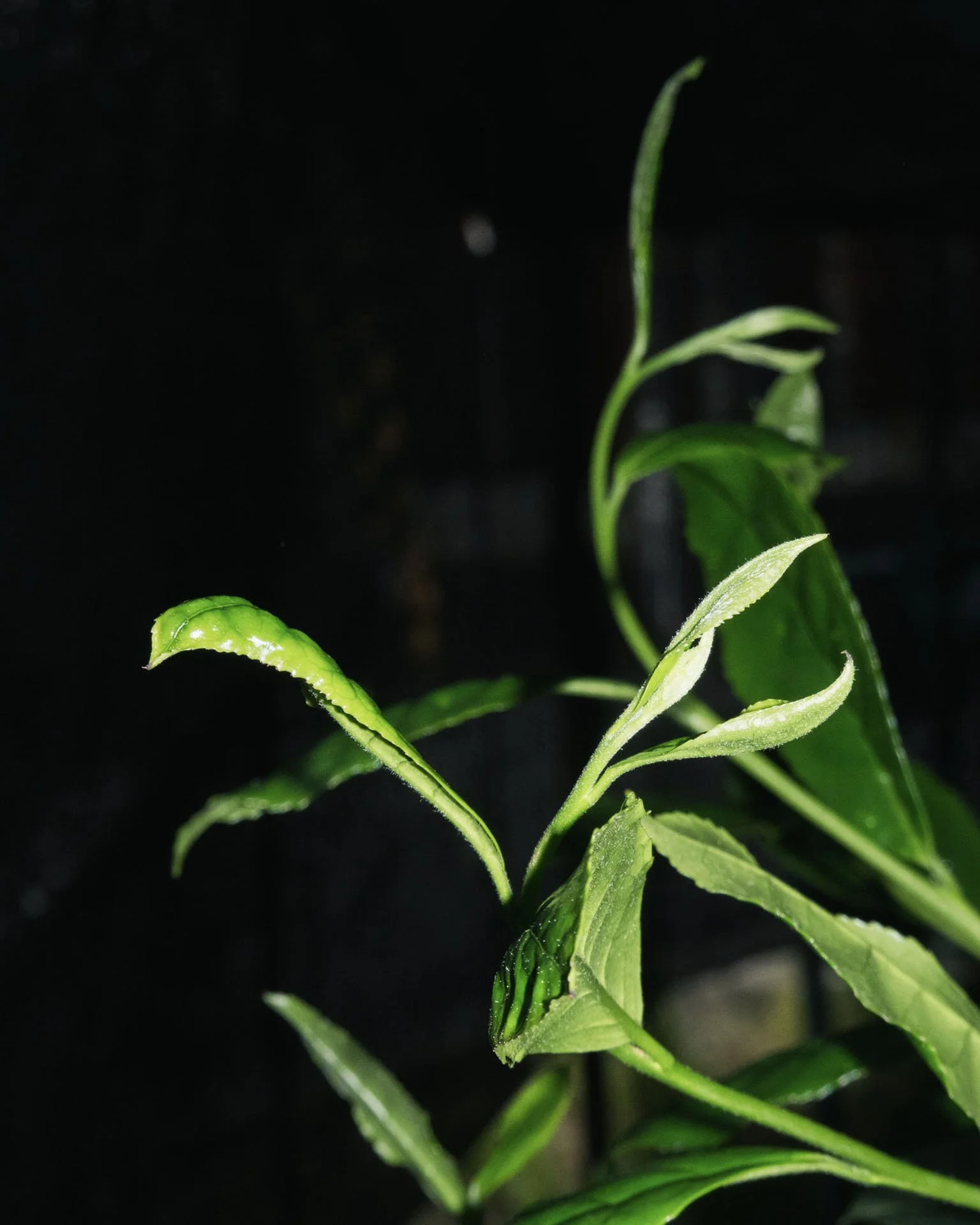
Okuyutaka (おくゆたか)
Okuyutaka pairs the same “oku” as Okumidori, which translates to “late.” Farmers plant these cultivars as they mature more slowly, allowing farmers to harvest the material later in the season. Farmers will often choose cultivars that allow a “staggering” of the start date of the harvest for each tea plant. “Yutaka” refers to "abundance," Thus, Okuyutaka is a high yield, late budding cultivar.
The name also refers to Yutakamidori cultivar, of which Okuyutaka holds lineage from, in addition to an experimental seedling known as F1NN8; which comes from a cross between a native heirloom Shizuoka Zairai and Tamamidori cultivar.Okuyutaka was developed at the Kanaya tea research station in Shizuoka Prefecture in 1958, alongside the Shunmei cultivar which came from the same experimental batch. Testing on Okuyutaka began in 1967, before it was official registered by the Ministry of Forrest and Fisheries (MAFF) in 1983 as cultivar number 34.
While the cultivar is typically used for Sencha, it can be used for Tencha; especially in colder regions due to Okuyutaka’s cold resistance. It’s suitability for Tencha is due to the fact that Okuyutaka can have higher levels of L-Theanine (about 2x) Yabukita. Given that Kurazumiさん’s farm is in the mountains of Hoshinomura in Yame, and that he is primarily a fine Gyokuro producer, it is reasonable he would choose to produce this cultivar.
Region Details
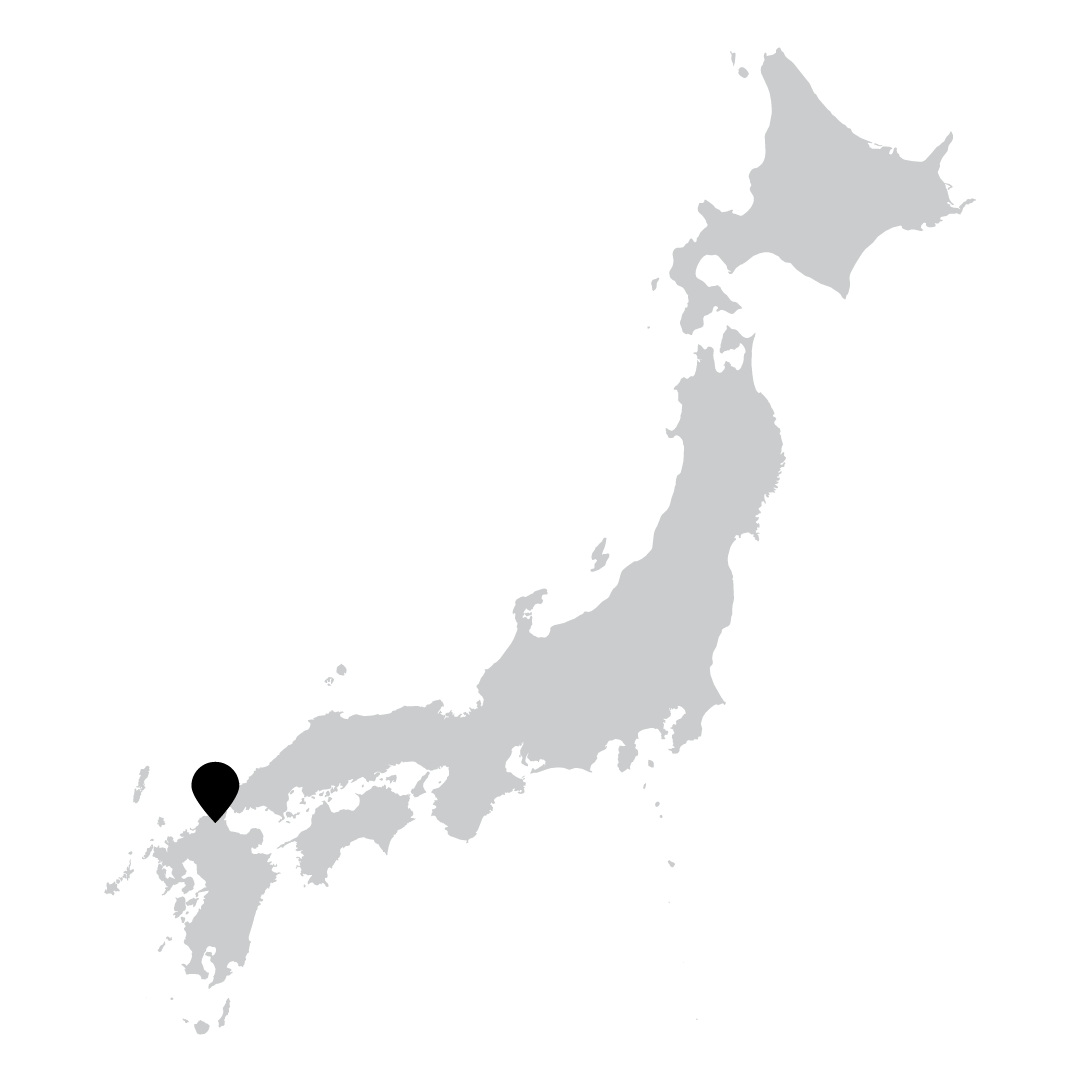
Hoshinomura, Yame, Fukuoka, Japan
With over 600 years of tea growing, Yame is relatively new when compared to Uji’s 800 year history. Despite this, Yame has quickly become one of the finest tea growing regions of the country. This is especially true for Gyokuro, a loose leaf tea that is shaded before harvesting as Tencha (unground Matcha) is. Gyokuro is typically considered the most prestigious category of Japanese tea.
Within Yame is a mountain side is known collectively as Oku‑Yame 奥八女, which includes Kurogi, Joyo, Yabe, and Hoshino. Hoshinomura, or village of the stars, sits in the basin with the Hoshino river cutting through it. It is a pristine terroir, with waterfalls, the dense canopy of trees and thick fog. The region also holds official GI documentation for Yame Dentou Hon Gyokuro.
Tea in Hoshino is traced at least to the Muromachi period, where it is believed to have arrived from Reiganji temple nearby in Kurogi. By the Meiji Era, a local to the area brought Gyokuro production back from Uji and started production around 1904. Producers in Hoshino-muro focus primarily on Gyokuro, but some do produce Tencha (unground Matcha.) Hoshino-mura also holds the distinction of having the second old Tencha factory in Japan, owned by Kurazumisさん.
Field Details
Kurazumiさん’s Factory
In the rolling hills of Hosinomura, the Village of the Stars, sits one of Japan’s oldest Tencha factories. Kurazumiさん, and his two sons, operate the factory just one time a year.
The oven takes over 24 hours to “warm up”, and it produces some of the most legendary tea in the country, winning three 1st-place titles at the National Tea Competition in Japan.
Matcha Safety
Ministry of Health, Labor and Welfare
As one of the healthiest nations in the world, Japan enforces exceptionally strict standards for radioactive substances, heavy metals, and pesticide residues in all food products, including matcha. Routine monitoring and targeted inspections ensure compliance with Japan's notoriously rigorous food safety regulations. Distribution of food items that exceed any limit are prohibited. You can learn more about these regulations from Japan’s Codex Alimentarius and the Ministry of Health, Labor and Welfare (MHLW)’s website.