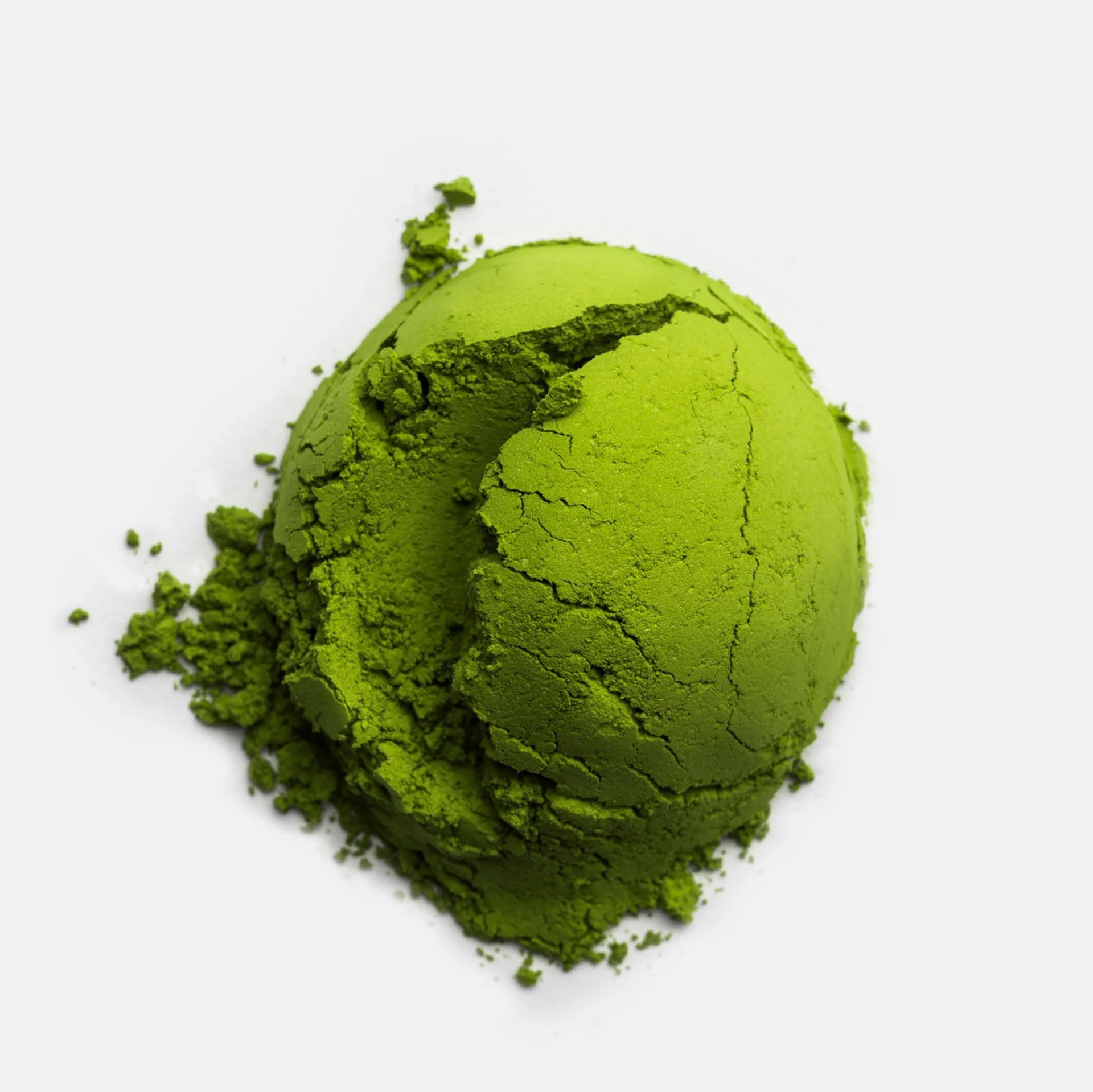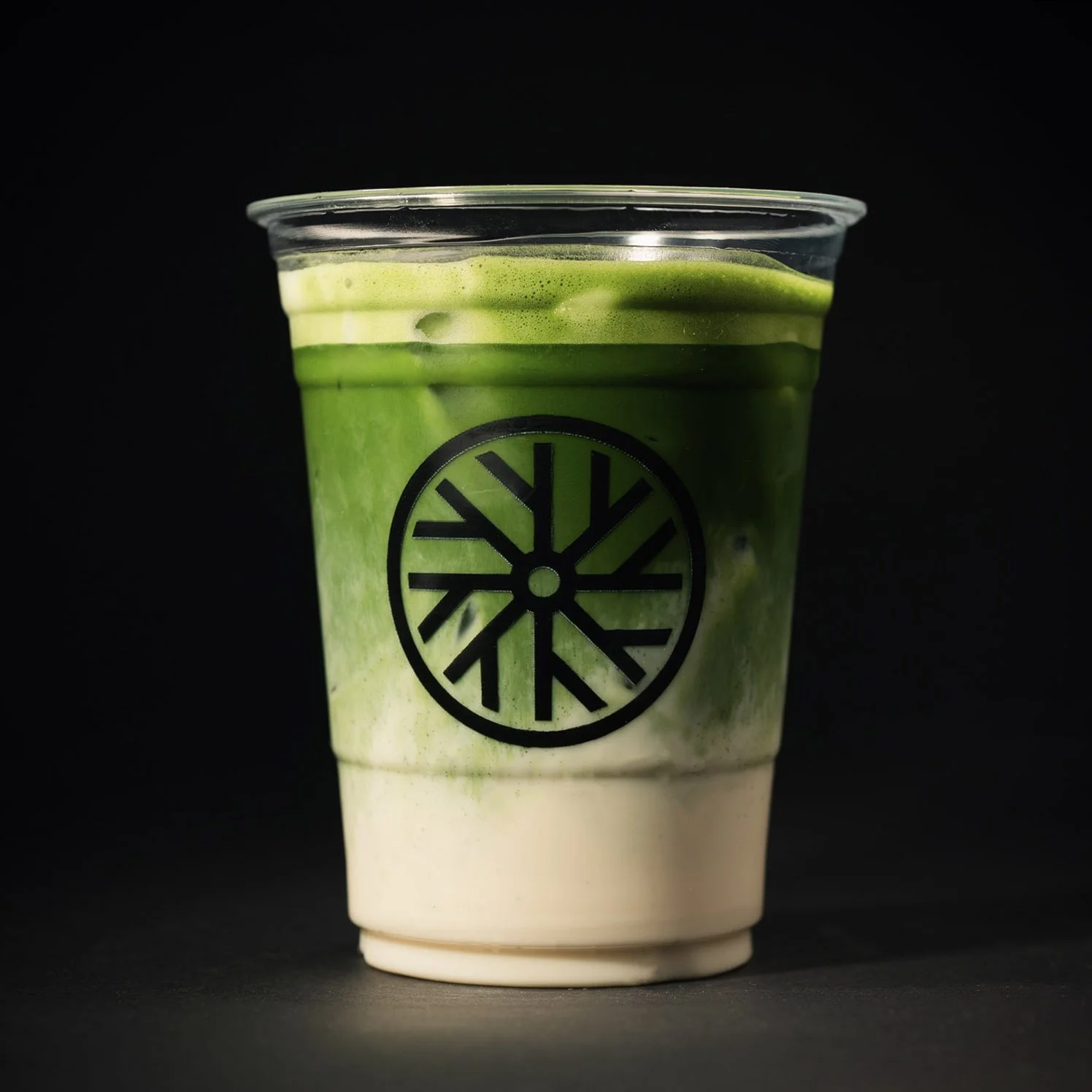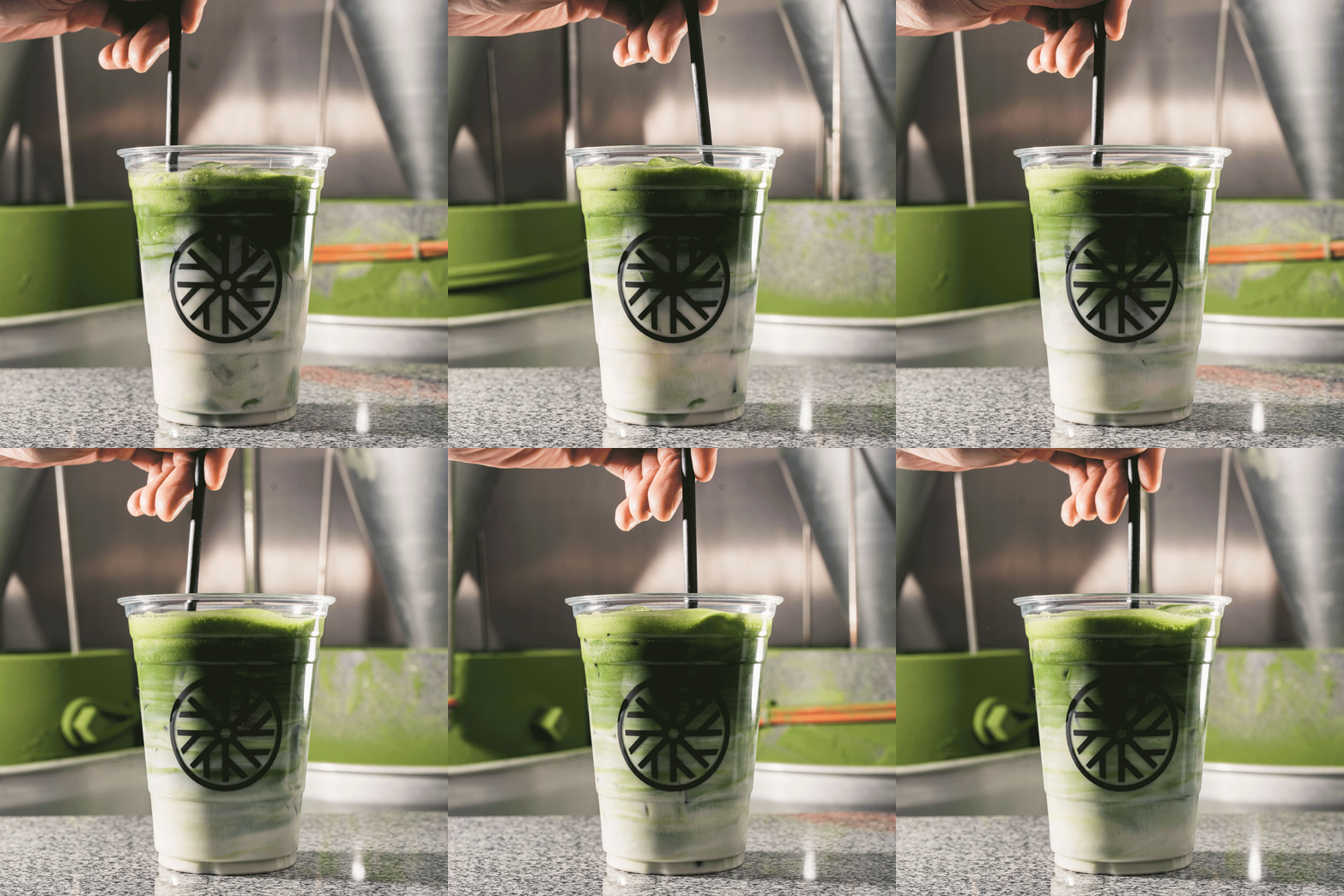
 Image 1 of 2
 Image 2 of 2
About this Matcha
-
To make a fresh and smooth bowl of Usucha or Koicha, follow our whisking instructions.
-
Long-term Storage: Store unopened Ooika Matcha in the refrigerator. Consume within 6 months.
Room-Temp Short-term Storage: Store opened Ooika Matcha in a cool, dark place away from sunlight. Consume within 3 months.
Refrigerator Short-term Storage: Opened Matcha can be stored in the refrigerator to help maintain freshness, however, the Matcha is at risk of condensation when cooler than ambient air. For this reason, if you choose to store an opened Matcha in the refrigerator, be sure to take the Matcha you need and then immediately place it back in the refrigerator to minimize exposure to the warm air.
Ochairinikki (御茶入日記)

Category Green tea (お茶) |

Subcategory Oishitacha (おおいしたちゃ) |

Cultivar Ujihikari (うじひかり) |

Producer Yoshidaさん |

Terroir Ogura, Uji, Kyoto, Japan |

Vintage 2025 |

Harvest Time Single Spring Harvest (一番茶) |

Harvest Method 100% Handpicked (手摘み, Tezumi) |

Shading Style Kanreisha (寒冷紗) |

Shading Duration 35 days |

Milling Ishi-Usu (石臼) Stone-Milled by Ooika |

Packaging Cold-stored, oxygen-free bag |
Visit the Farm
OOIKA MATCHA leads the industry with the most precise souring details and transparency. Let’s visit Yoshidaさん’s farm and see where this Matcha comes from.
Producer Details

Yoshidaさん
Few names in Uji carry the weight of Yoshida. The family’s involvement in Uji tea traces back over 400 years - nearly as far back as Tea master Sen no Rikyū elevated the tea ceremony to an art.
The history of high-grade Matcha that has made Uji a household word across the world can hardly be separated from the Yoshida family name. Ooika is thrilled to mill Yoshidaさん’s heritage Matcha fresh, right here in the United States.
The family hand-picks the tea (known as Tezumi), shades the tea using traditional rice straw (known as Honzu Tana), uses Bamboo rather than metal sorting tools, and even grows their own rice to provide the material for shading.
Awards & recognitions

16-th Generation
Yoshidaさん is a 16th-generation farmer, whose current field is over 200 years old. In addition to cultivating high-grade tea, Yoshidan protects the legacy of Uji tea as a whole. Some other notable achievements or responsibilities of the Yoshida family include:
Caring for Japan’s oldest tea garden at Kosanji: Yoshidaさん has the incredible responsibility of managing the oldest tea garden in Japan at the Kosanji Temple (高山寺) in Kyoto, as did his father (15th generation) and grandfather (14th generation.)
20x 1st Place National Tea Competition Wins: The “Superbowl” of Japanese tea is the National Tea competition that’s been continuing for the last 75 years. The Yoshida family has participated in every year’s competition since its inception and holds over 20 first-place titles.
Chairman of the Uji Tea Hand-Rolling Preservation Association: In ancient times, tea leaves were rolled by hand. Today commercial tea rolling is done exclusively by machine in Japan. Yoshidaさん presides as chairman of the association to ensure this ancient technique and tradition is not forgotten. In fact, Yoshidaさん’s grandfather's method of hand-rolling tea was certified by the Japanese government as an intangible cultural property.
Cultivar Details

Ujihikari (うじひかり)
When shaded with Tana (a raised shelf), the small, wavy and shiny leaves of Ujihikari exude the captivating yet intriguing sweet aromas: sometimes reminiscent of straw, seaweed, and even rice koji. This distinctive scent is known as “Ooika”, or the “Aroma of Shadows.” Ujihikari has one of the most beautiful expressions of Ooika.
This uncommon and highly sought-after cultivar was selected from a Zairai field in 1954 by the Kyoto Tea Research Institute and has been cultivated within Kyoto Prefecture ever since. Its erect shape makes it ideal for handpicking. Ujihikari produces a bright green, mild-umami Matcha, although it has a low production volume.
One of the most beautiful characteristics of Ujihikari is its bright green, small, wavy leaves. This is a challenge for tea pickers, who take great care with such small leaves when harvesting the Ujihikari glossy and soft spring leaves.
Field Details

Yoshida Matcha, and Rice
Just beyond the tea farm is a rice plantation, planted by the Yoshida family.
The purpose? To provide the rice straw needed to shade tea.
They gave me a bag of brown rice on my visit from the field.
Back home in the USA, I made a dish of chazuke—using their rice and their Matcha.
Region Details
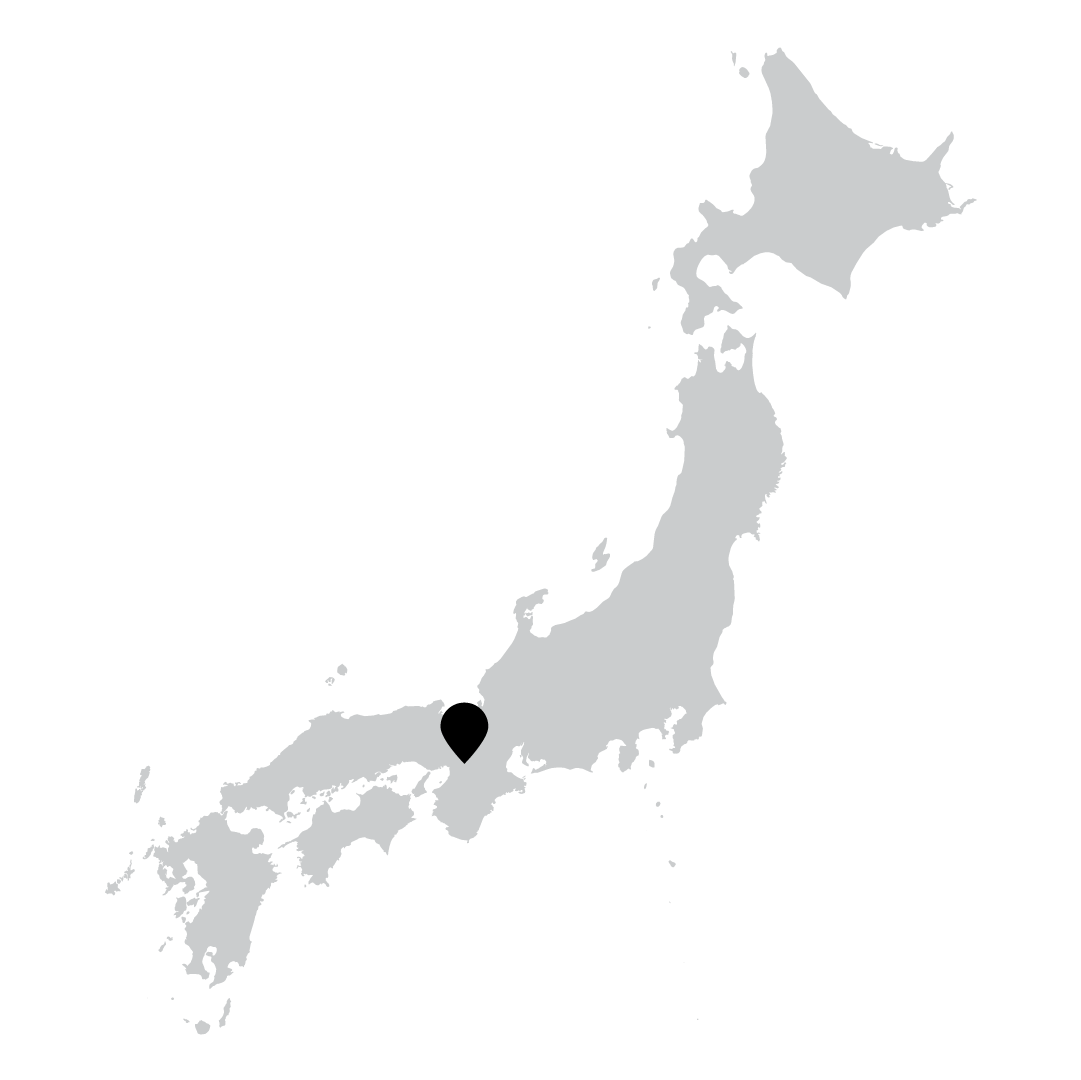
Ogura, Uji, Kyoto, Japan
Kyoto, a core pillar of Japanese culture, is home to the Kozanji temple, located in the northern mountains and one of the earliest areas for tea cultivation in Japan. The seedlings, born from the connection with Zen Buddhism, would crystallize many centuries later in a unique and profound act of intentionality, the Japanese tea ceremony, with many of its roots in the Kyoto prefecture.
Uji, south of Kyoto city, eventually became an important production center for Tencha. In our times, Uji is one of the world’s best-known terroirs for Matcha. With the Uji river traversing the area and providing moisture and highly beneficial mists, it held the center of Tencha production in Japan.
Moreover, most of the land immediately northwest of Uji, right next to Ogura 小倉町, was home to the largest freshwater body in the prefecture. The Ogura Lake existed until the 30s - 40s when land reclamation converted the area for agricultural use, which benefited from its nutrient-rich soil. While other production areas inside the prefecture have taken the baton in terms of cultivation, the Ujicha 宇治茶 brand remains one of the most recognizable tea brands in Japan. Born from tea processed in Uji, from inside the prefecture and elsewhere.
Ogura is considered the birthplace of Gyokuro, although its tea cultivation history extends back even further. Keeping alive the tradition of cultivating tea under straw shading, with reed screens and straw for the roof and bamboo or other logs for pillars. Such is their connection to much earlier times that a 16th-generation family, with Yoshida-san at its forefront, has been tasked with the care of the Kozanji temple tea fields.
Matcha Safety

Ministry of Health, Labor and Welfare
As one of the healthiest nations in the world, Japan enforces exceptionally strict standards for radioactive substances, heavy metals, and pesticide residues in all food products, including matcha. Routine monitoring and targeted inspections ensure compliance with Japan's notoriously rigorous food safety regulations. Distribution of food items that exceed any limit are prohibited. You can learn more about these regulations from Japan’s Codex Alimentarius and the Ministry of Health, Labor and Welfare (MHLW)’s website.