 Image 1 of 2
 Image 2 of 2
About This Matcha
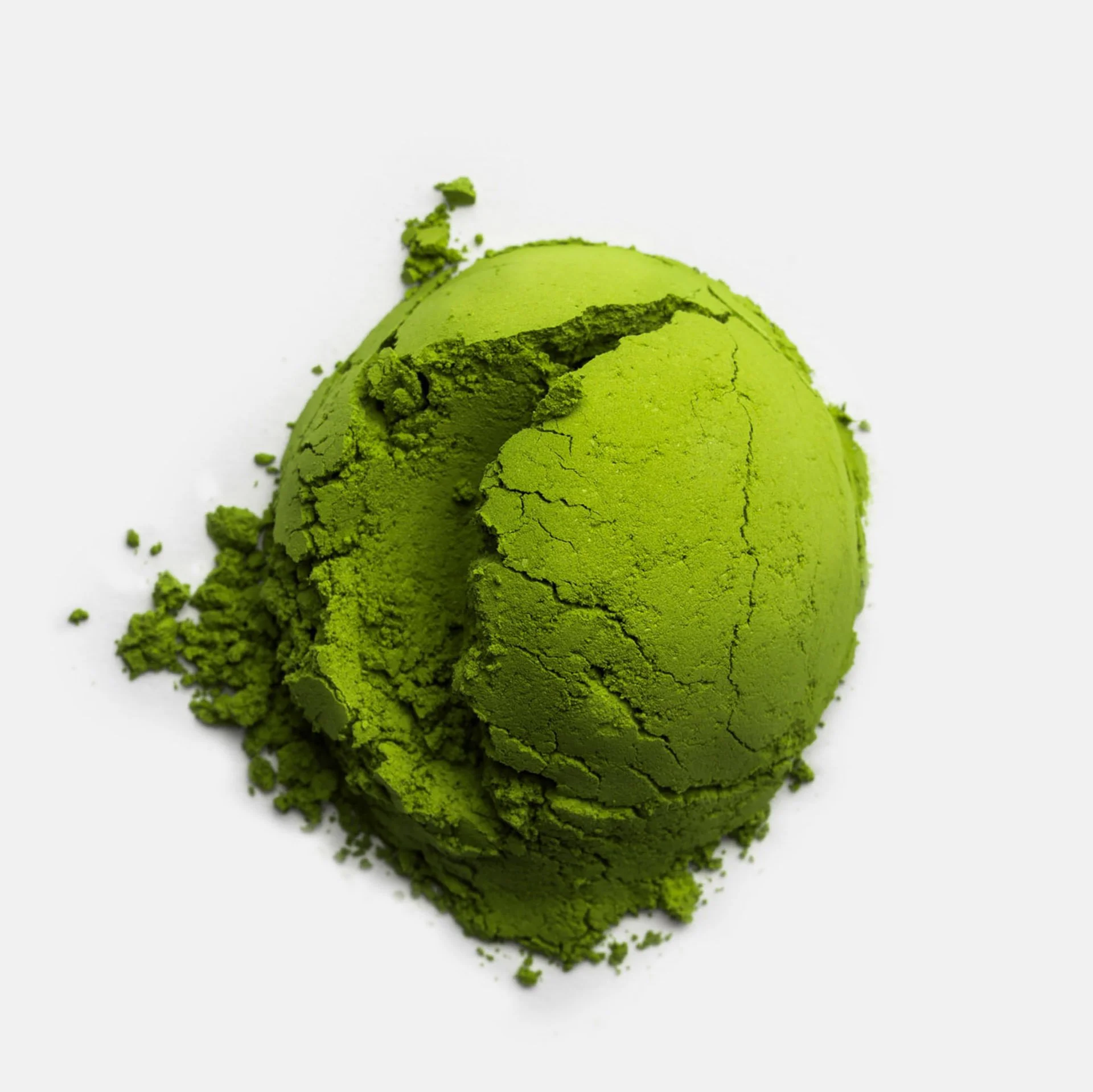
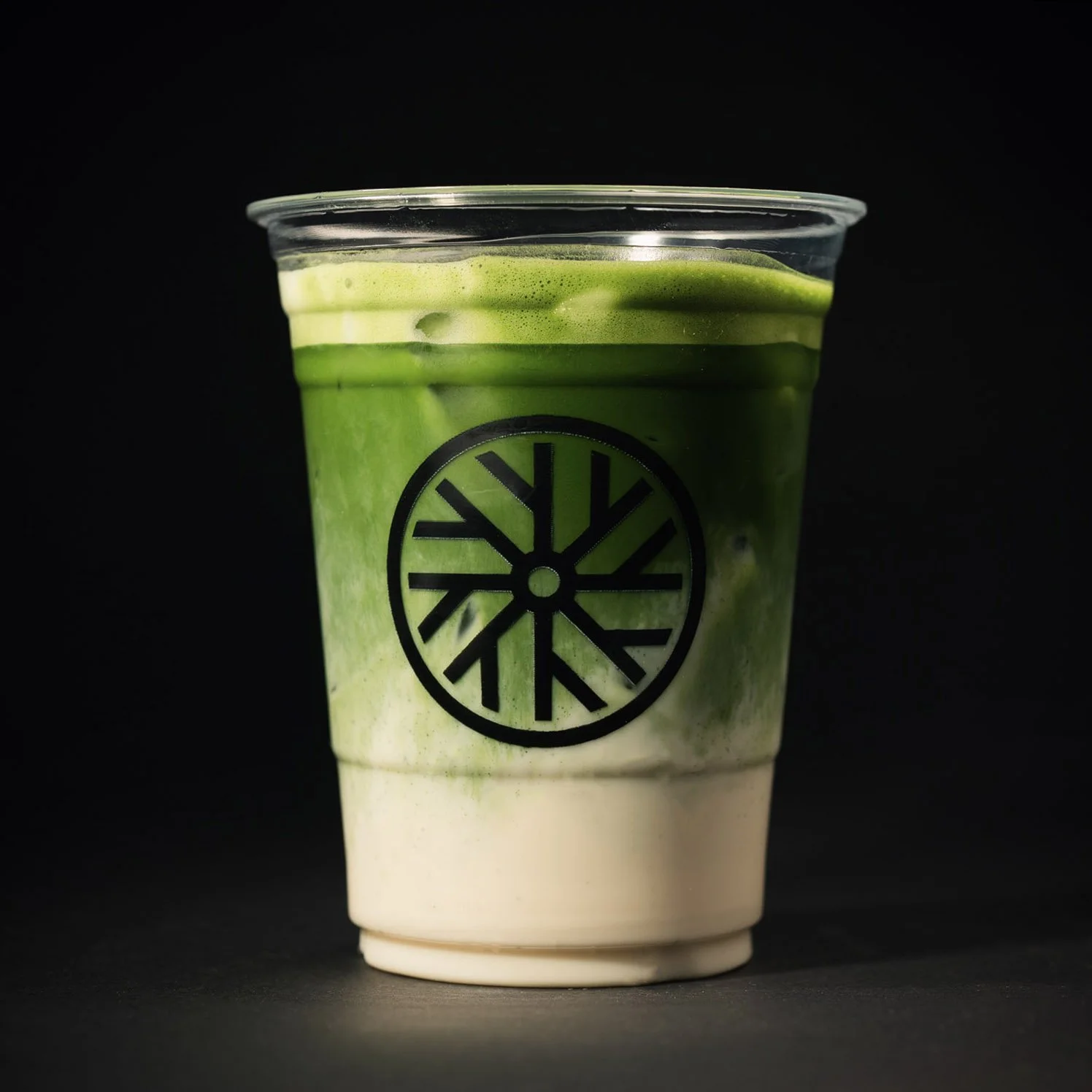
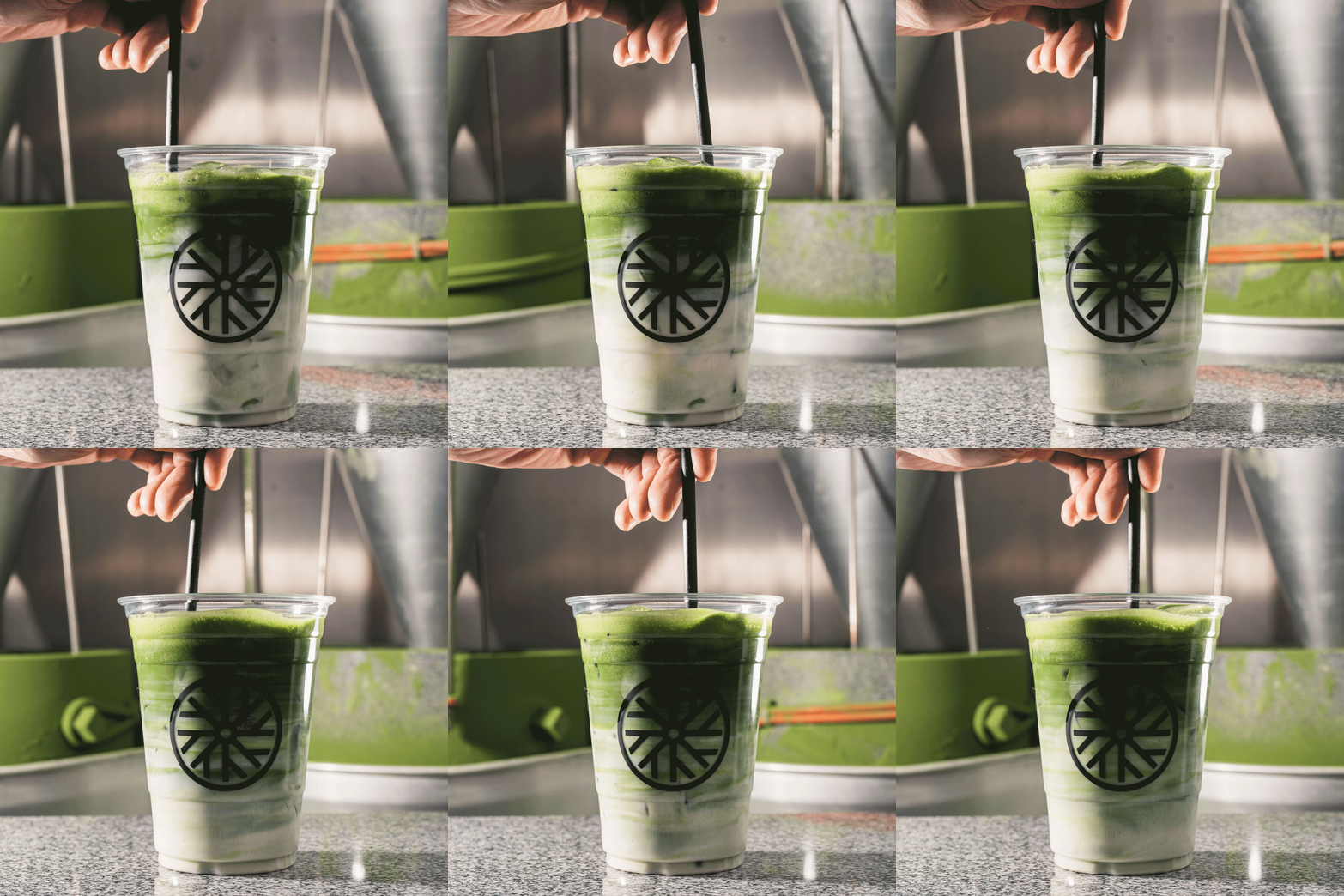
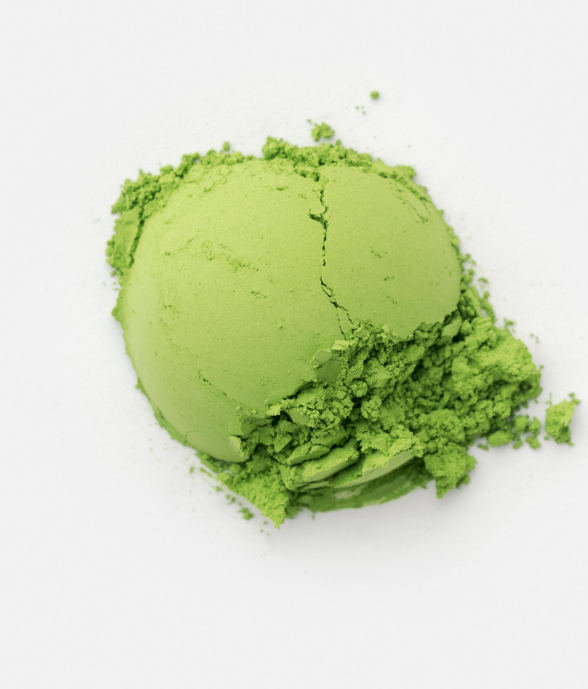
This barista-grade Matcha holds the right character and balance for Matcha Lattes, but can also be used for baked goods and confectionery. This Uji Barista Matcha is produced and milled by Tsujiさん, one of Japan’s most highly awarded producers in Shirakawa, Uji, Japan.
-
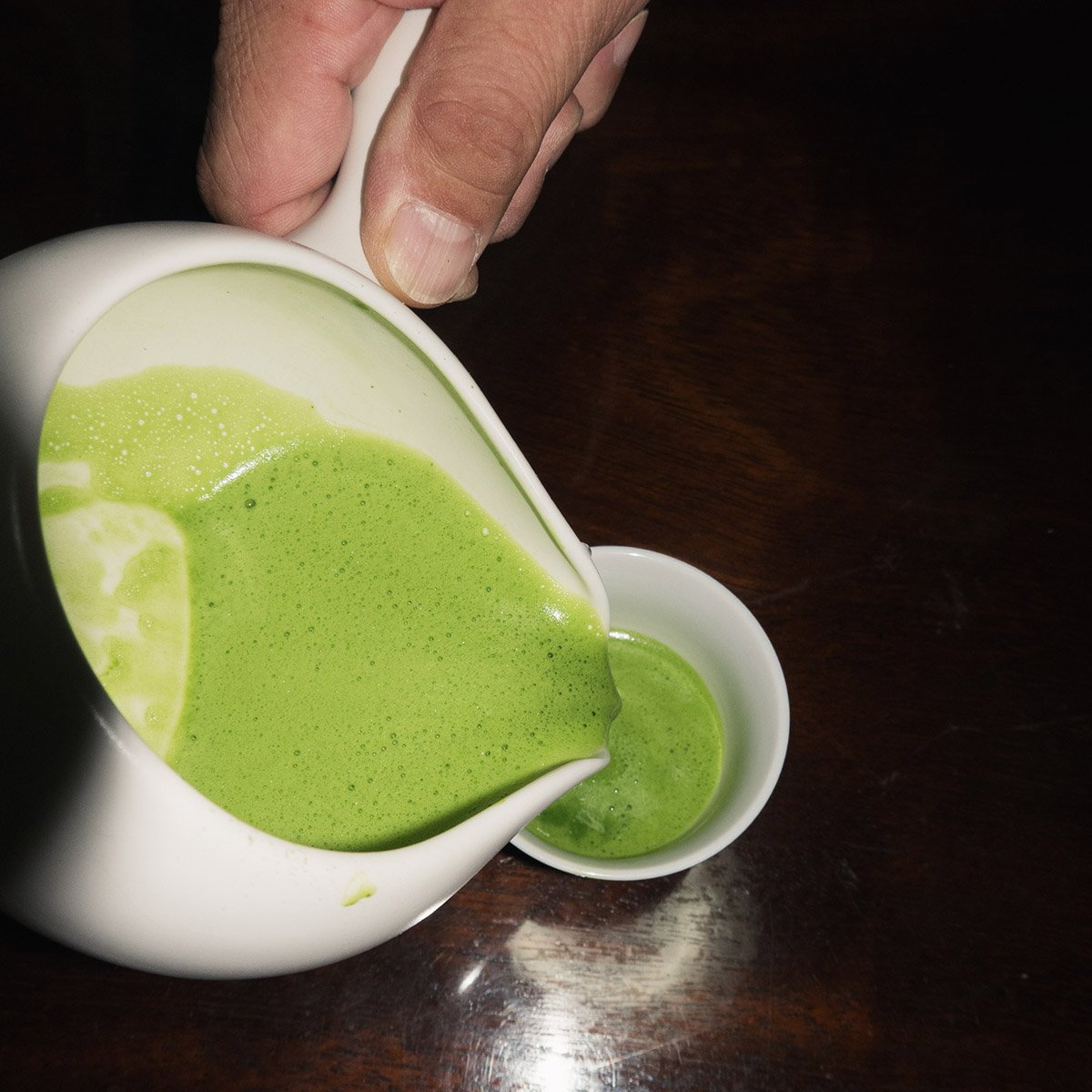
To make the best cup of Matcha latte, follow our brewing instructions.
-
Long-term Storage: Store unopened Ooika Matcha in the refrigerator. Consume within 6 months.
Room-Temp Short-term Storage: Store opened Ooika Matcha in a cool, dark place away from sunlight. Consume within 3 months.
Refrigerator Short-term Storage: Opened Matcha can be stored in the refrigerator to help maintain freshness, however, the Matcha is at risk of condensation when cooler than ambient air. For this reason, if you choose to store an opened Matcha in the refrigerator, be sure to take the Matcha you need and then immediately place it back in the refrigerator to minimize exposure to the warm air.
Ochairinikki (御茶入日記)

Category Green tea (お茶) |

Subcategory Oishitacha (おおいしたちゃ) |

Producer Tsujiさん |

Terroir Shirakawa, Uji, Kyoto, Japan |

Vintage Blend |

Cultivar Blend |

Harvest Method Sentei Ki |

Shading Style Blend |

Shading Duration Blend |
Visit the Farm
OOIKA MATCHA leads the industry with the most precise souring details and transparency. Let’s visit Tsujiさん’s farm and see where this Matcha comes from.
Producer Details

Tsujiさん
Tsujiさん and his son continue the legacy of exceptional preserving heritage Matcha in Shirakawa, Uji, Kyoto, Japan. This region has been actively used for tea cultivation from the Edo period of Japan (1603 - 1868)
Tsujiさん’s fields reach up the mountains terroir of Shirakawa, Uji— overlooking the city of Kyoto the far distances. The air is crisp and fine, and the soil is suitable, for growing exceptional Tencha (unground Matcha.)
Working with his son, the pair continues to push Japanese tea cultivation into the future. Ooika is thrilled to be part of that journey, as we proudly serve Tsuji’s Matcha in the West.
Awards & REcognitions
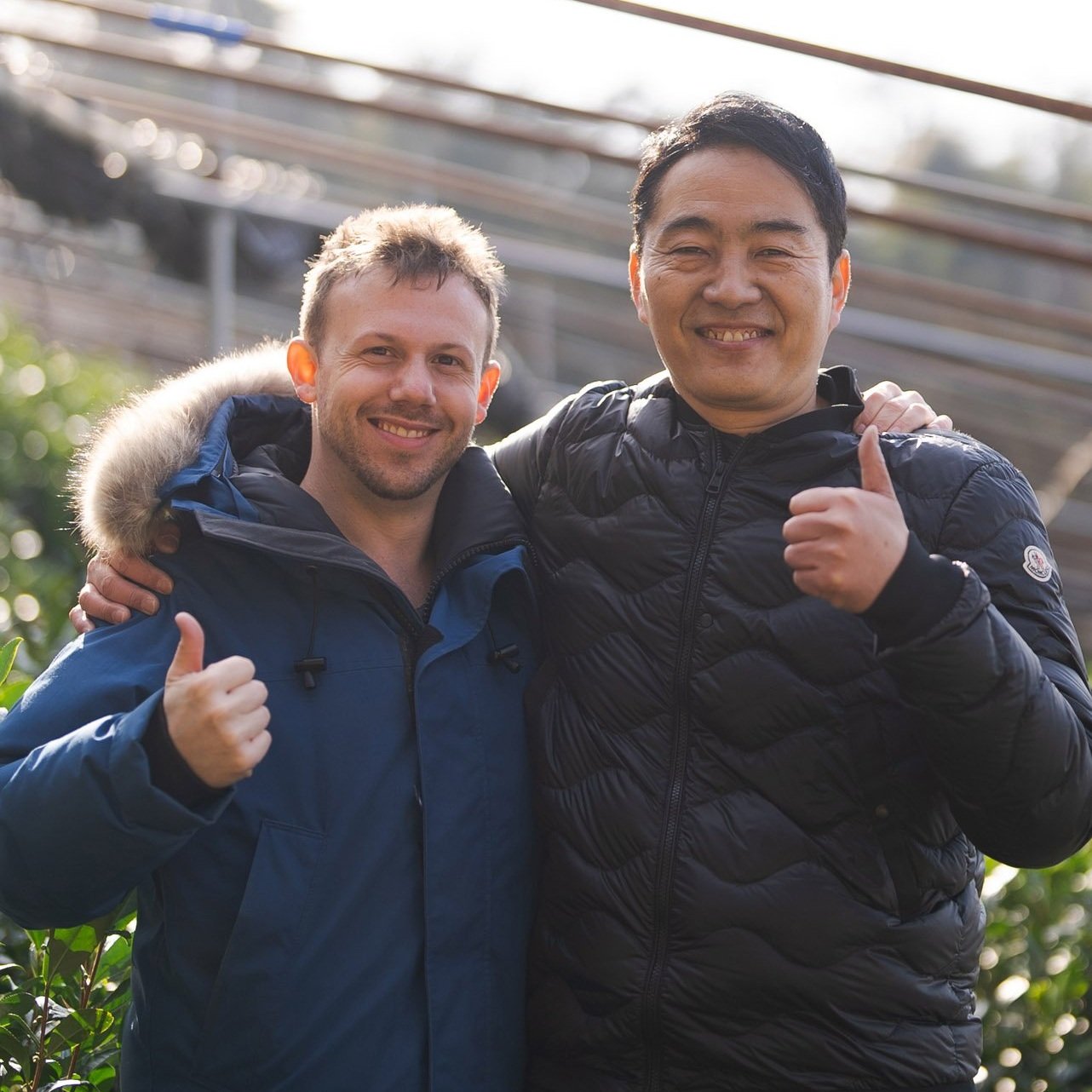
Tsujiさん had won Minister of Agriculture, Forestry and Fisheries award for tencha as many as 6 times. He won 56th Prime Minister Award which is one of Emperor's three awards and awarded at Agriculture, Forestry, and Fisheries Festival. Below is a selected, and non-exhaustive list.
Prime Minister Award, Japanese Emperor Award, at Agriculture, Forestry, and Fisheries Festival.
Minister of Agriculture, Forestry, and Fisheries Award
Japan Tea Central Public Interest Incorporated Association Chairman Award
National Tea Producers Association Chairman Award
National Tea Commerce and Industry Association President Award
Japanese Tea Science and Technology Chairman Award
Cultivar Details
Blend (合組)
This matcha is a traditional Japanese blend, composed of many cultivars. Historically, matcha has always been blended. Single-cultivar or single-origin matcha is a modern, non-traditional practice that was popularized largely in part by Ooika. In Japan, single-cultivar matcha is not considered a finished product, but a raw ingredient like flour before it becomes bread.
Chashi are master blenders that are licensed across up to ten ranks, with only 13 individuals ever reaching the 10th rank. Their role is to create and maintain the aroma, flavor, and price of their blends. This is a monumental task given the base material changes every harvest.
Single Cultivar Matcha is like science, where blended Matcha is an artform. For this reason, Ooika does not create its own blends, nor do we disclose cultivar breakdowns for blended matcha. A blend is not a recipe to be itemized or reverse-engineered. Attempting to construct a blend arbitrarily or to dissect one into components may be well-intended but is ultimately disrespectful to the Chashi and their efforts.
Region Details
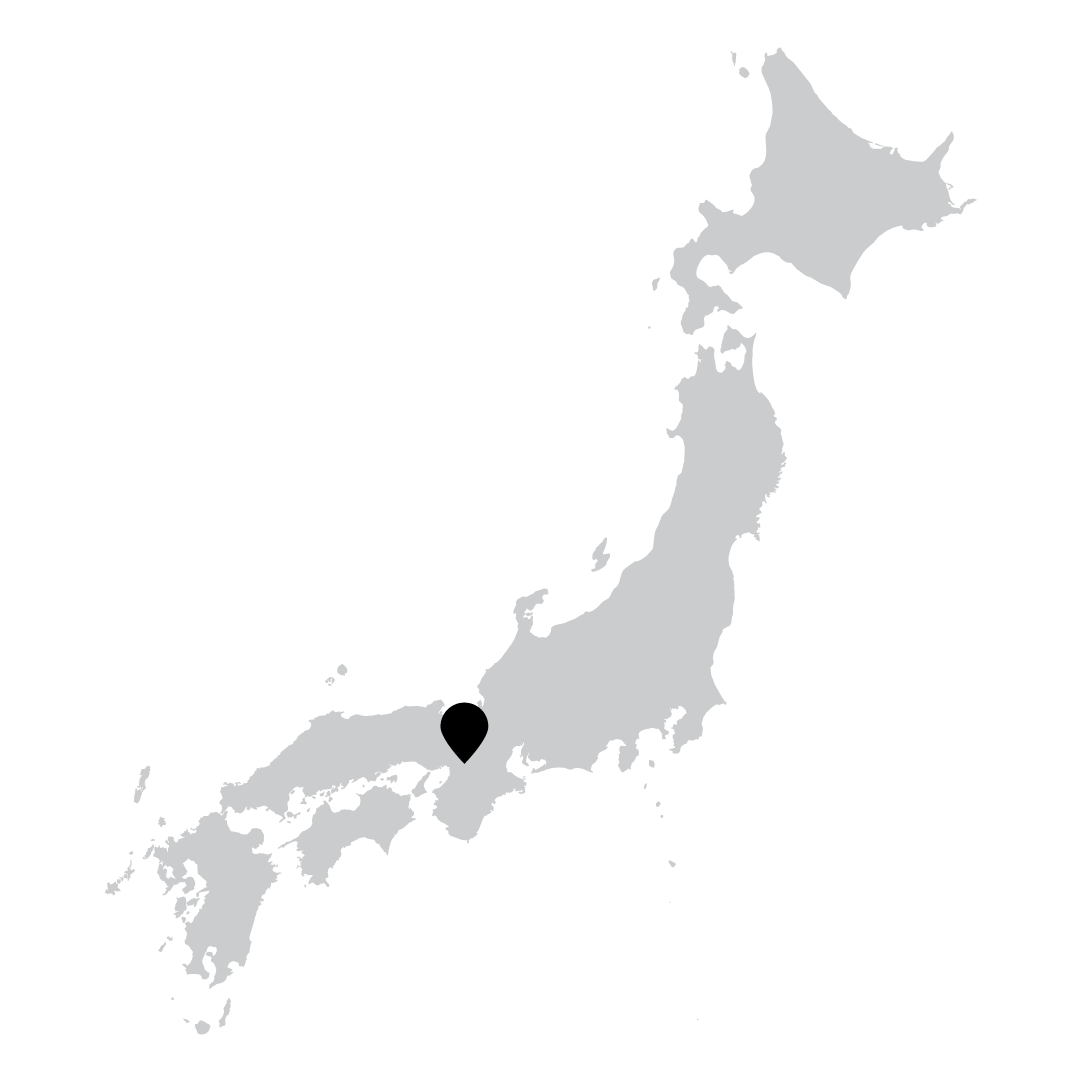
Shirakawa, Uji
Uji is probably the world’s best-known terroir for Matcha. It belongs to the Yamashiro region, Kyoto Prefecture. This region lives and breathes tea; cultivation started around the 14th century, with its introduction sometime in much earlier centuries. It has seen many developments during its 800 years of tea cultivation, including the birth of techniques leading to Tencha, Sencha, and Gyokuro teas.
Shirakawa is in the southern part of Uji city proper, its slopes leading to the Uji River, which is born from the nearby Amagase Dam. Thanks to the nearby water bodies, which also regulate temperature, the area benefits from valley-ruining mists, especially in spring. Shirakawa is one of the few areas left where Uji City-grown tea is produced.
This tea is labeled as Uji no Ocha 宇治のお茶, an exceptional and increasingly rare tea. A tea related, but disconnected from the much more known Uji tea brand, Ujicha 宇治茶. Born from tea processed in Uji, from inside the prefecture, and elsewhere.
Matcha Safety

Ministry of Health, Labor and WelfarE
As one of the healthiest nations in the world, Japan enforces exceptionally strict standards for radioactive substances, heavy metals, and pesticide residues in all food products, including matcha. Routine monitoring and targeted inspections ensure compliance with Japan's notoriously rigorous food safety regulations. Distribution of food items that exceed any limit are prohibited. You can learn more about these regulations from Japan’s Codex Alimentarius and the Ministry of Health, Labor and Welfare (MHLW)’s website.