 Image 1 of 1
Producer Details
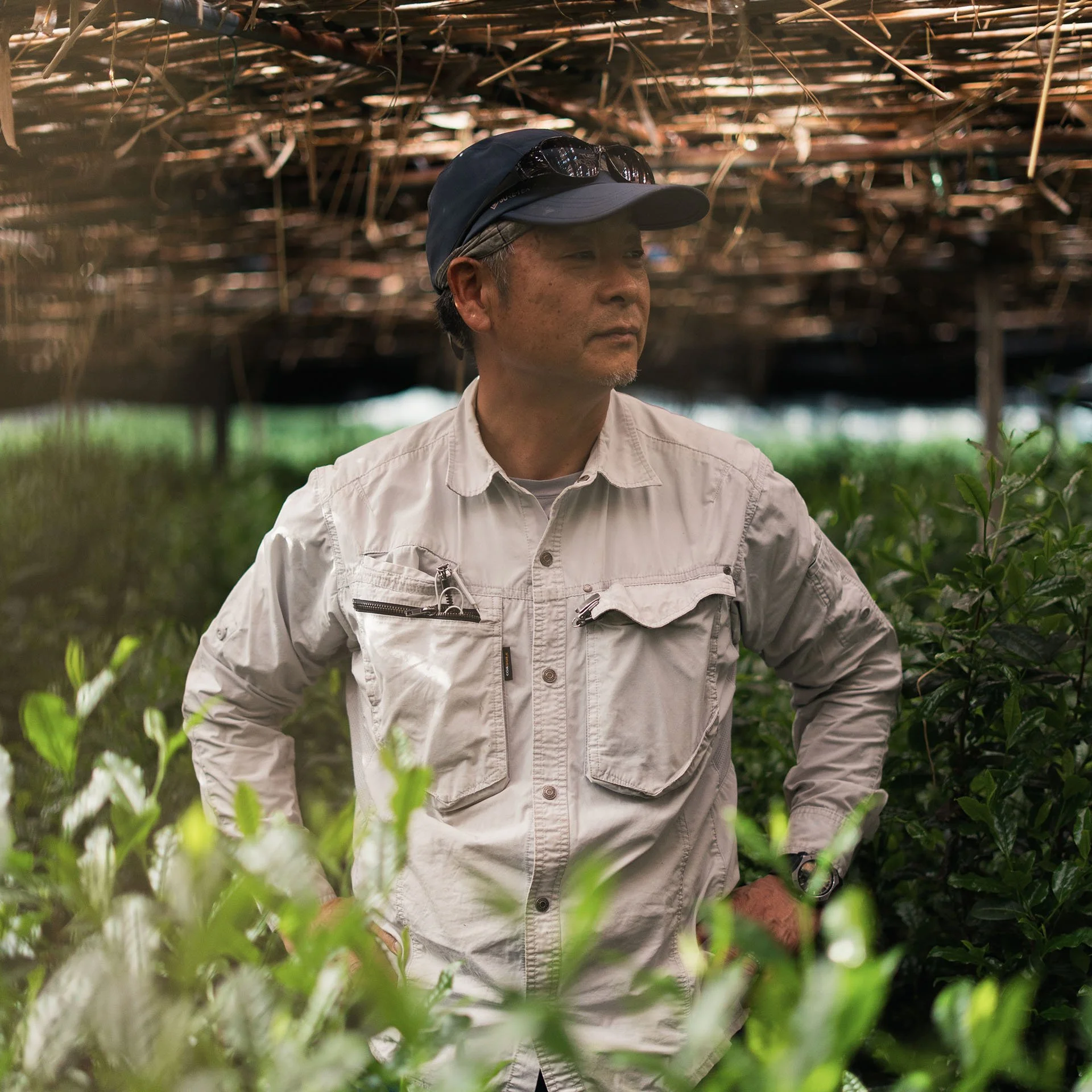
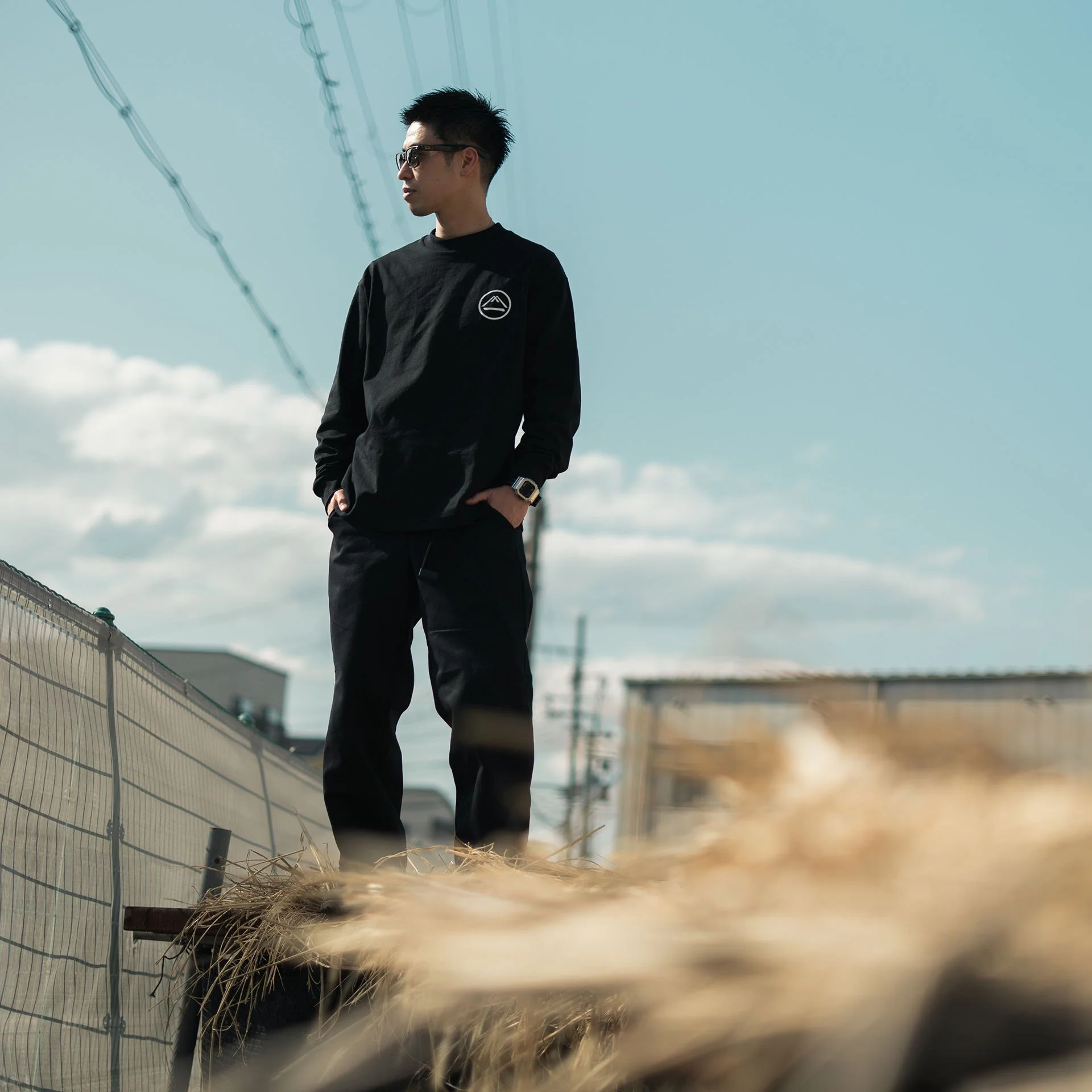
Shimizuさん
With over 24 generations in Uji, and 9 generations of tea Farmers, Shimizuさん is one of the most well regarded farmers in the country.
Cultivar Details
Blend (合組)
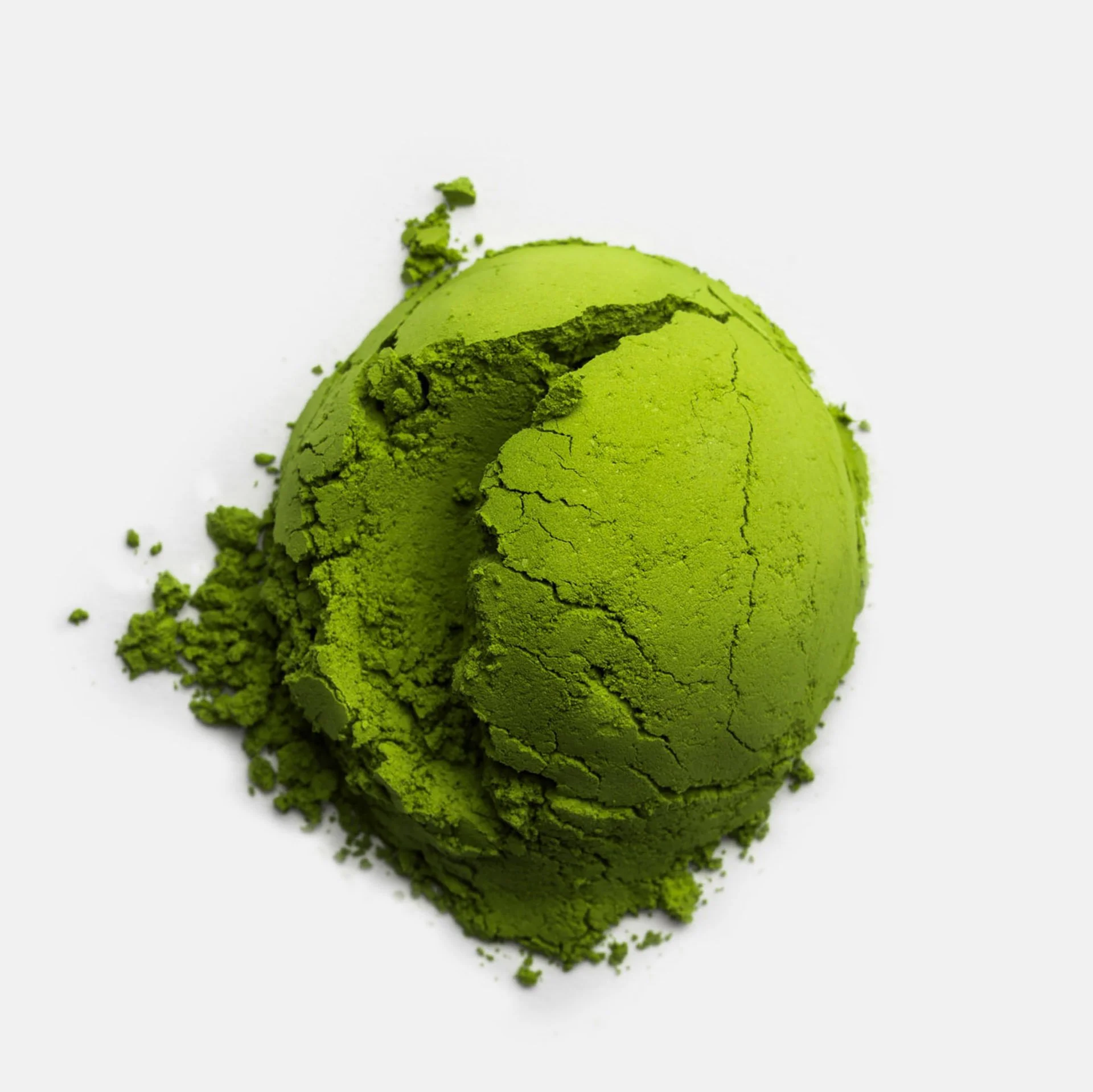
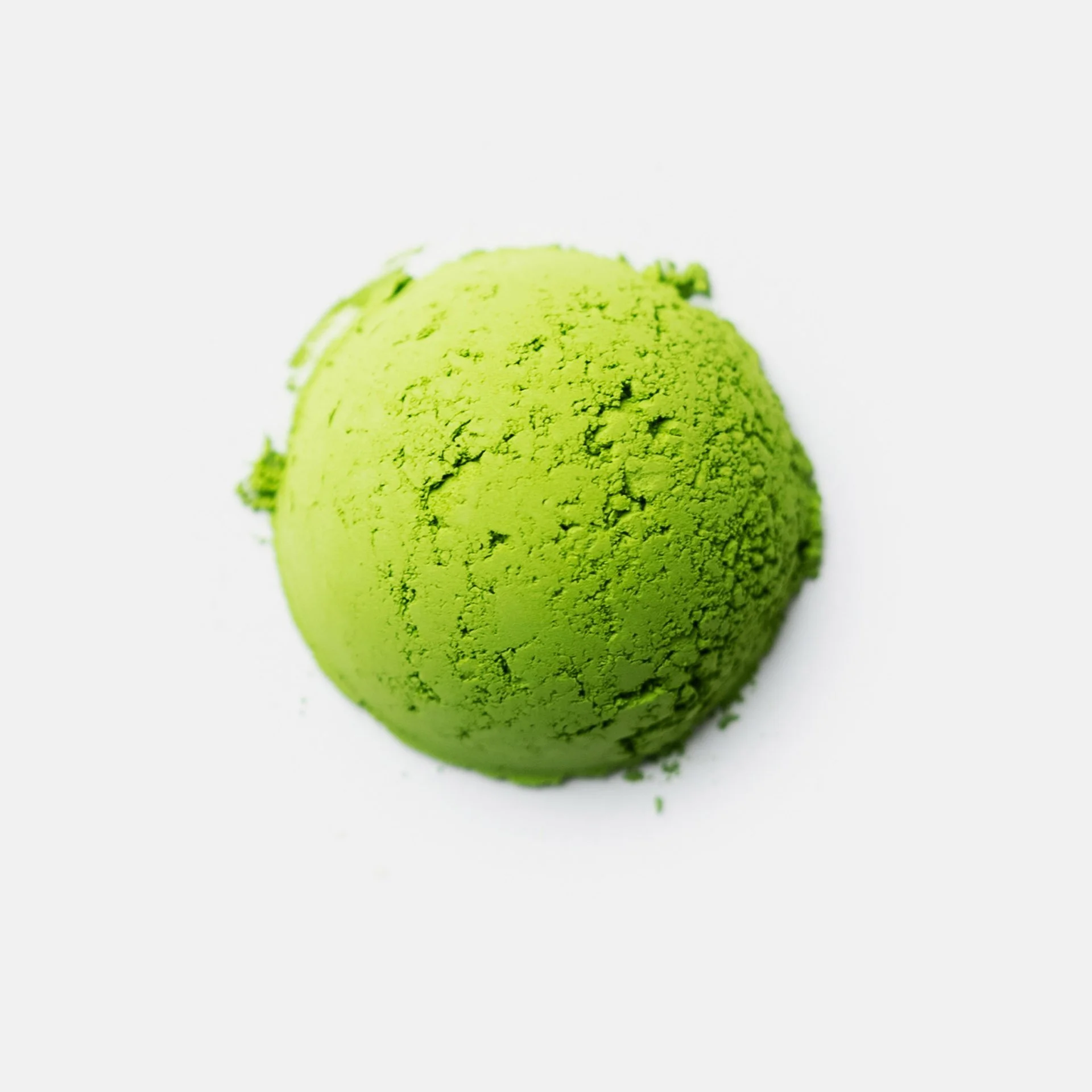
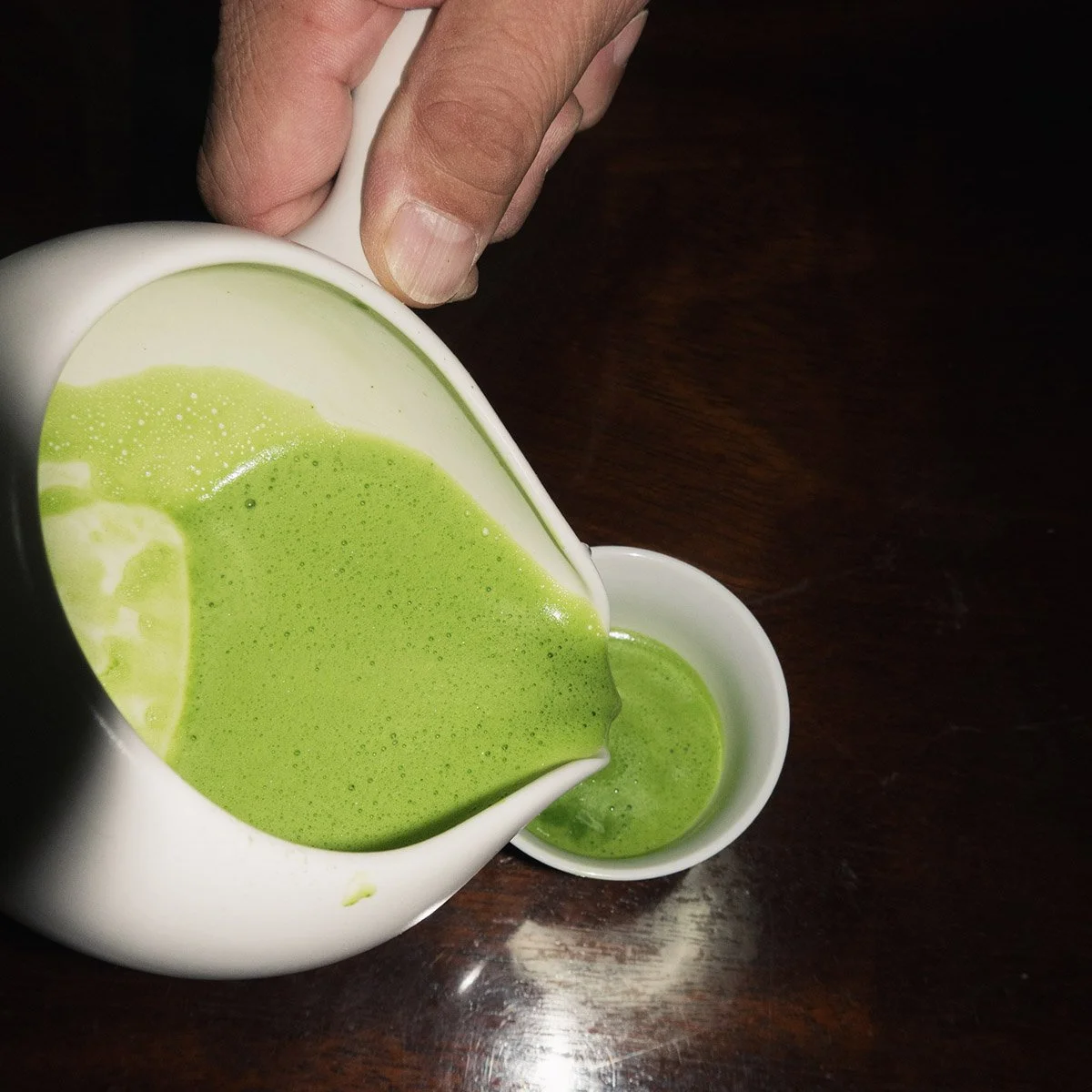
This matcha is a traditional Japanese blend, composed of many cultivars. Historically, matcha has always been blended. Single-cultivar or single-origin matcha is a modern, non-traditional practice that was popularized largely in part by Ooika. In Japan, single-cultivar matcha is not considered a finished product, but a raw ingredient like flour before it becomes bread.
Chashi are master blenders that are licensed across up to ten ranks, with only 13 individuals ever reaching the 10th rank. Their role is to create and maintain the aroma, flavor, and price of their blends. This is a monumental task given the base material changes every harvest.
Single Cultivar Matcha is like science, where blended Matcha is an artform. For this reason, Ooika does not create its own blends, nor do we disclose cultivar breakdowns for blended matcha. A blend is not a recipe to be itemized or reverse-engineered. Attempting to construct a blend arbitrarily or to dissect one into components may be well-intended but is ultimately disrespectful to the Chashi and their efforts.
Region Details
Kageyama, Uji, Kyoto, Japan
The rich tea tradition of Kyoto Prefecture has its roots in the Kamakura period, with origins that extend even further back in history. Since then, the prefecture has embraced and woven tea into its core identity, spreading its cultivation to many areas. Over the centuries, tea has lived in zen monasteries and ritual offerings to tea guessing games known as Tocha 闘茶 and crystallizing in the now-known Japanese tea ceremony for both Matcha and Sencha, whose production happened in Uji, south of the at-the-time capital of Japan, Kyoto.
The fame of Uji tea spread out from the Muromachi period, with its many cultural developments, which set the framework of what would become the foundations of the Japanese tea ceremony. Uji City is located in the southern part of Kyoto Prefecture, in the Yamashiro region, an area known for its temperature swings between day and night. This temperature gradient is in part responsible for the aroma development of the tea plant, with other famous tea-producing regions sharing traits with those of some of Uji's terroirs.
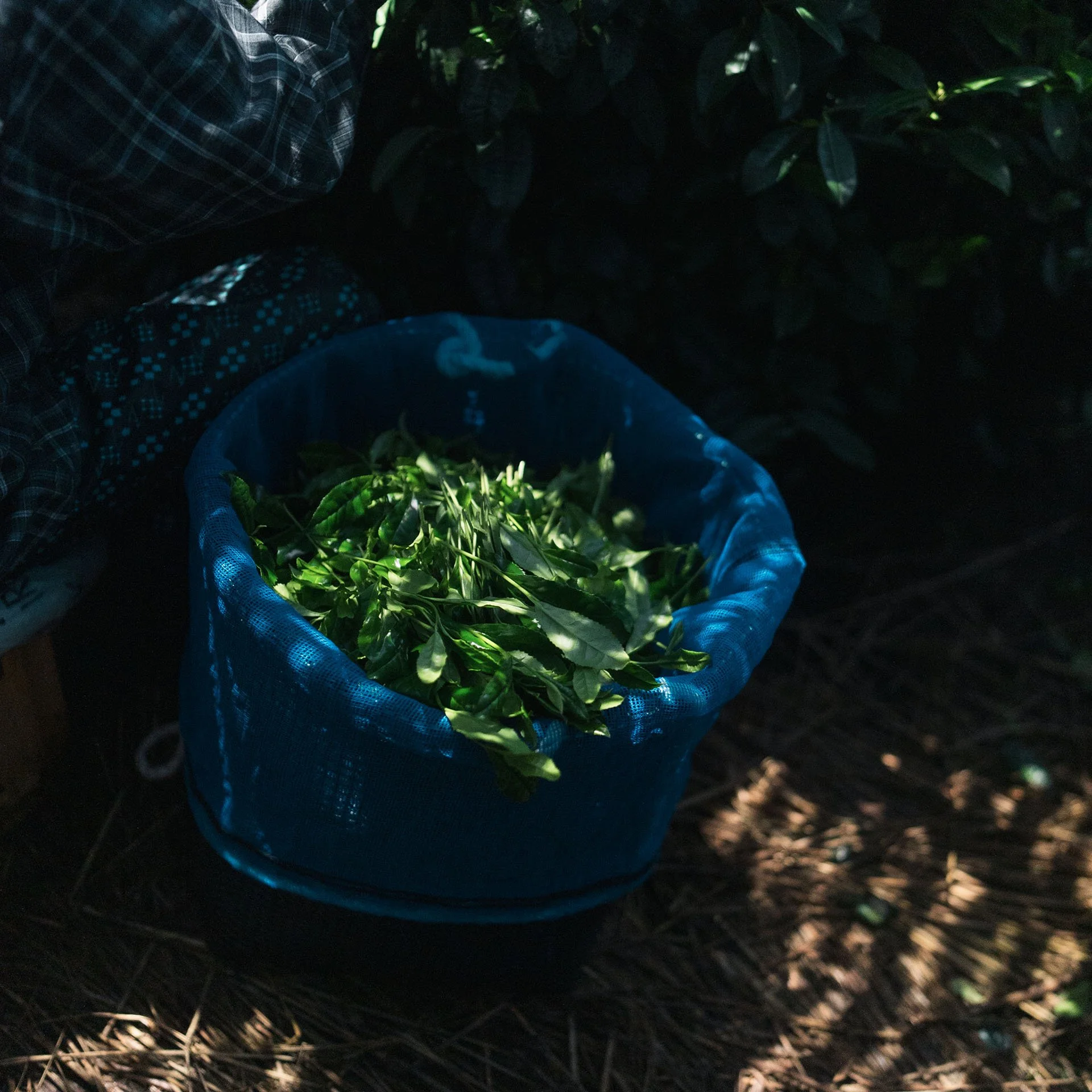
Kageyama, part of Uji City, is located east of Ogura, which was home until the 1930s to the largest freshwater body of the prefecture. Kageyama, just in between the Ogura Lake and the Uji River, benefited from the aforementioned temperature swings, with beneficial mists originating from those water bodies, which also play a key role as temperature regulators and keeping frost at bay in many cases. The ever-shining available land in Uji makes tea cultivation in Kageyama extremely rare. Shimizu-san, with its fields at the heart of Kageyama, keeps the traditional rice straw cultivation alive just next door to much of the infrastructure of Uji City. A unique terroir still connects to tradition and the taste of the once-sprawling tea cultivation in the area.
Matcha Safety
Ministry of Health, Labor and WelfarE
As one of the healthiest nations in the world, Japan enforces exceptionally strict standards for radioactive substances, heavy metals, and pesticide residues in all food products, including matcha. Routine monitoring and targeted inspections ensure compliance with Japan's notoriously rigorous food safety regulations. Distribution of food items that exceed any limit are prohibited. You can learn more about these regulations from Japan’s Codex Alimentarius and the Ministry of Health, Labor and Welfare (MHLW)’s website.