 Image 1 of 3
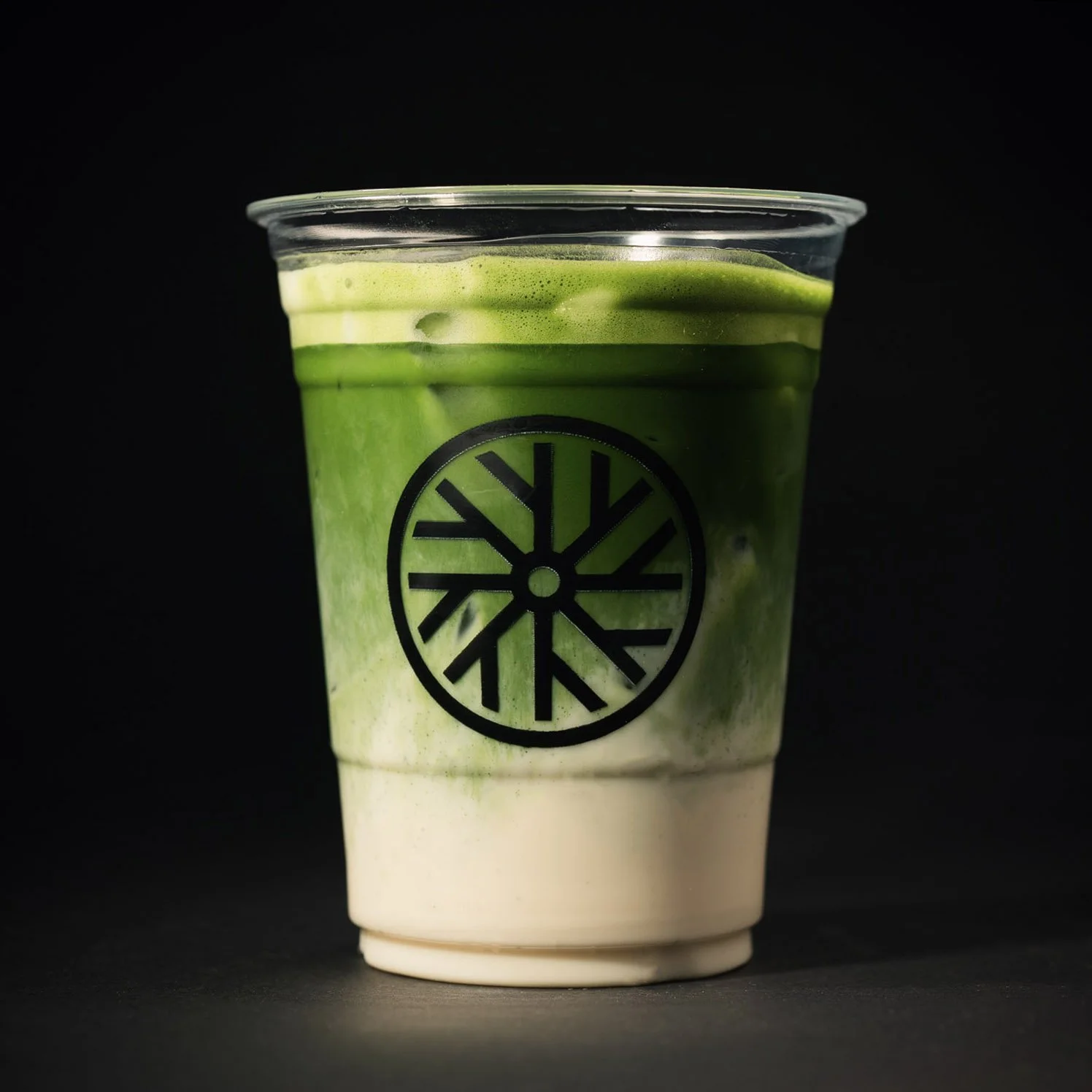 Image 2 of 3
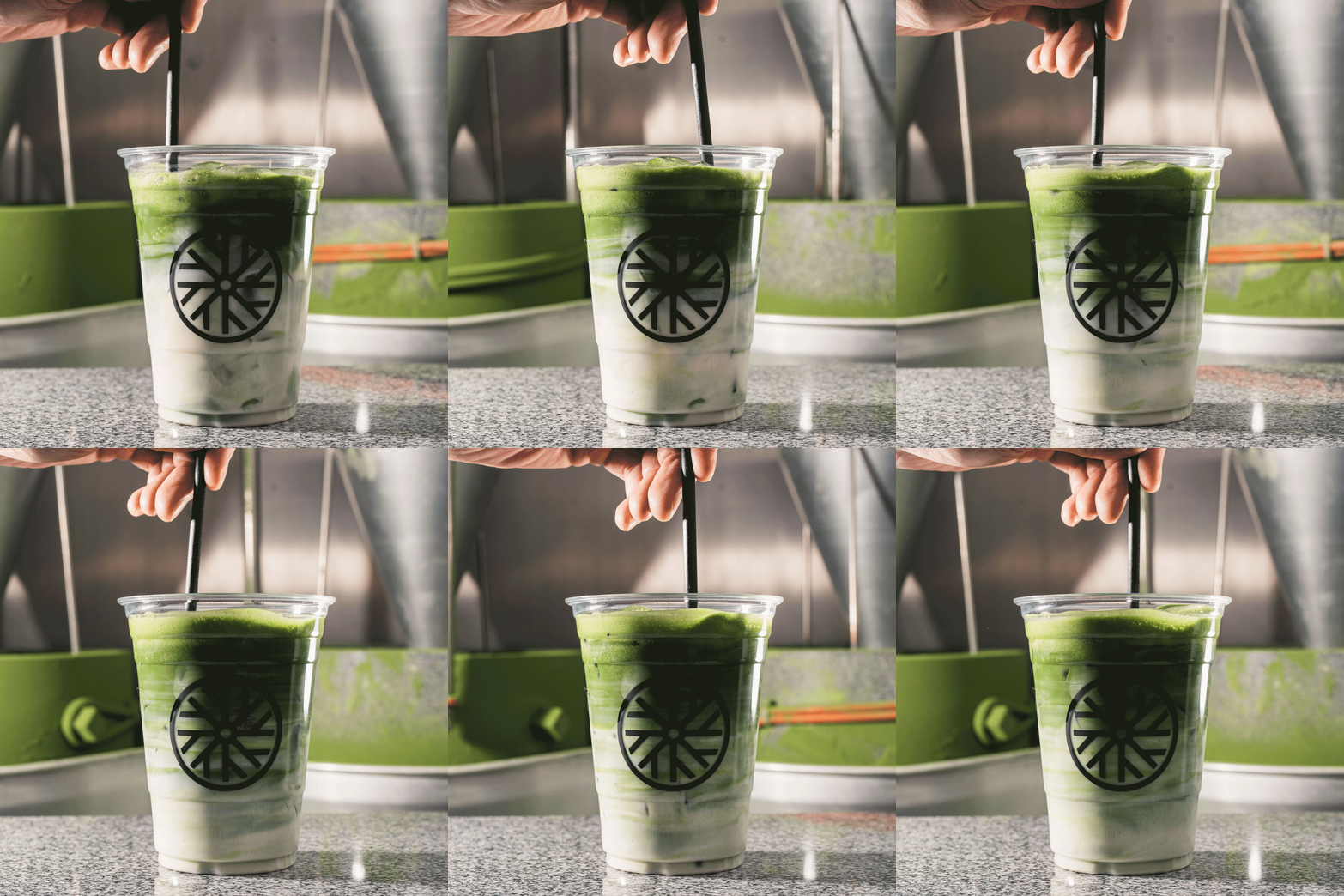 Image 3 of 3
Solaris
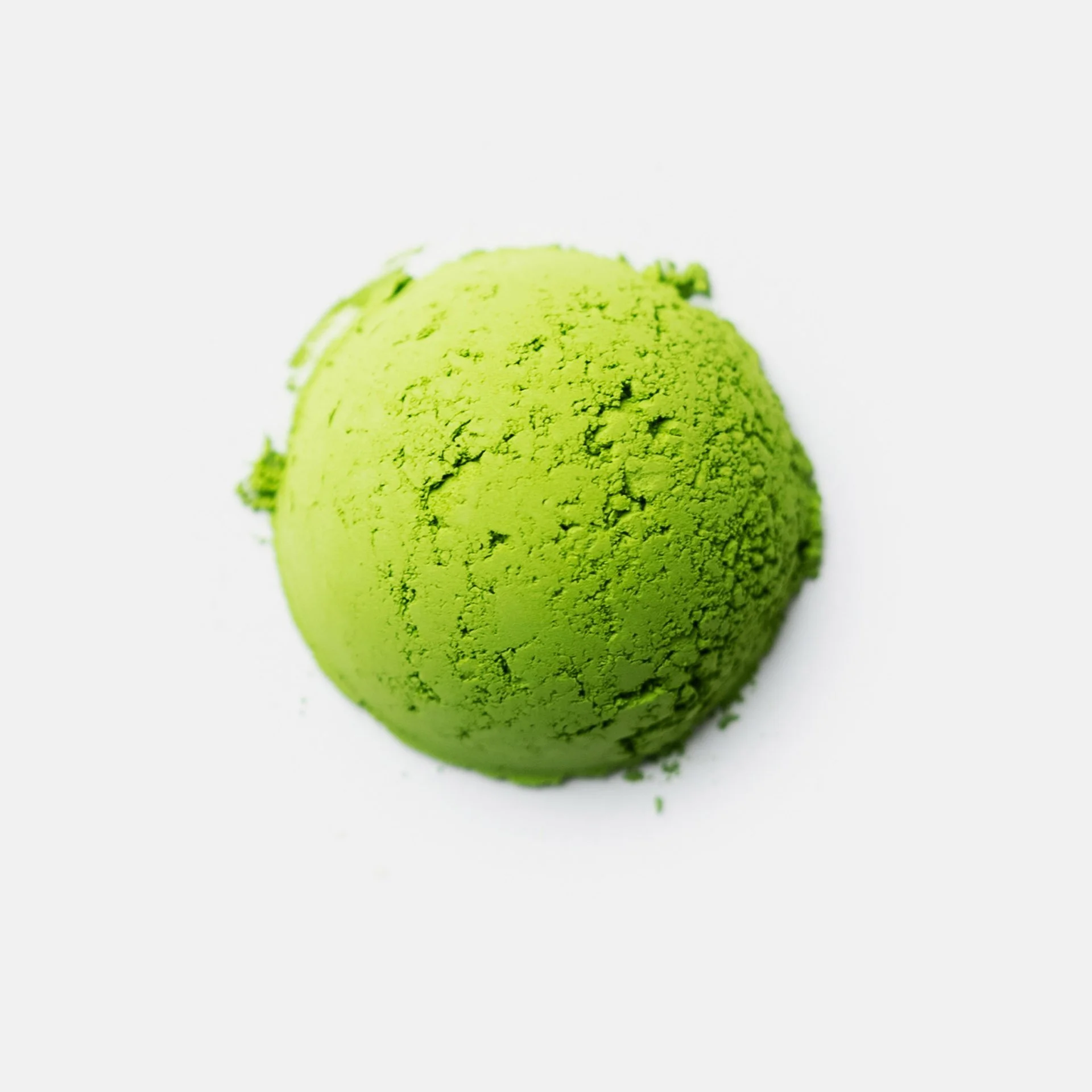
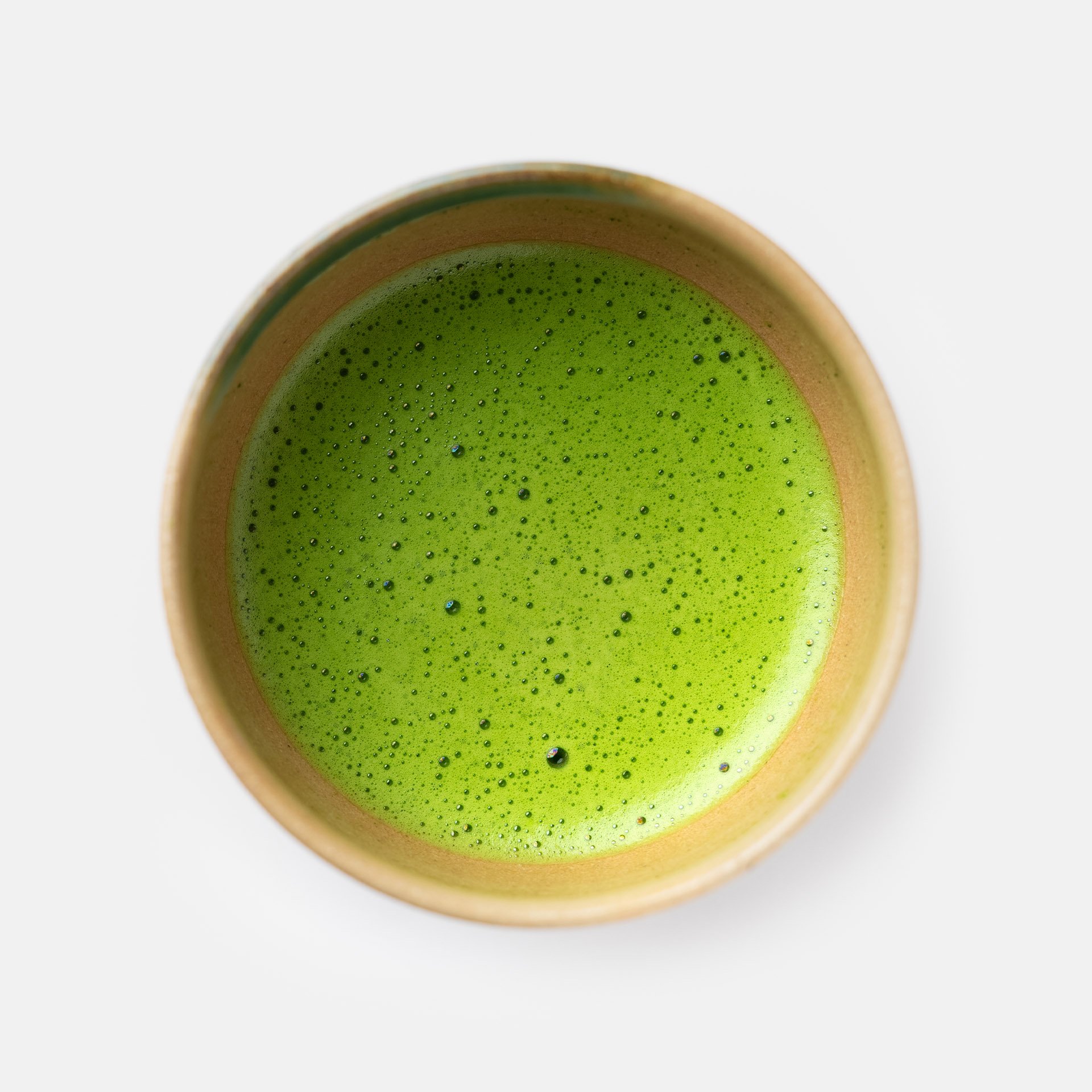
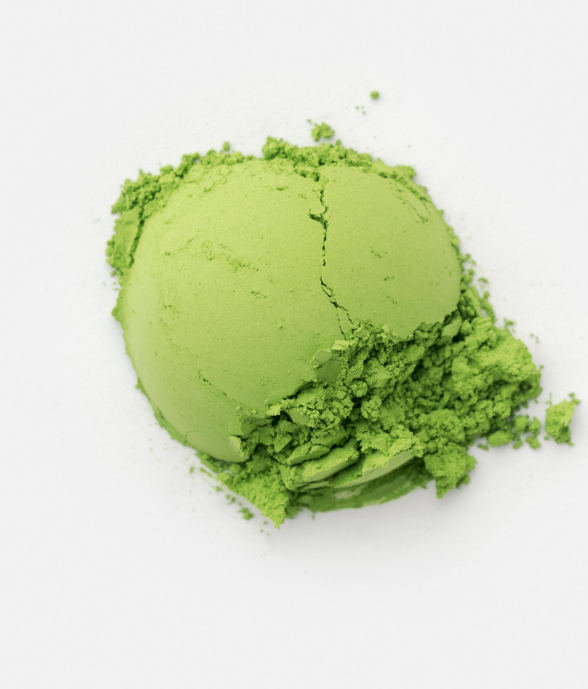
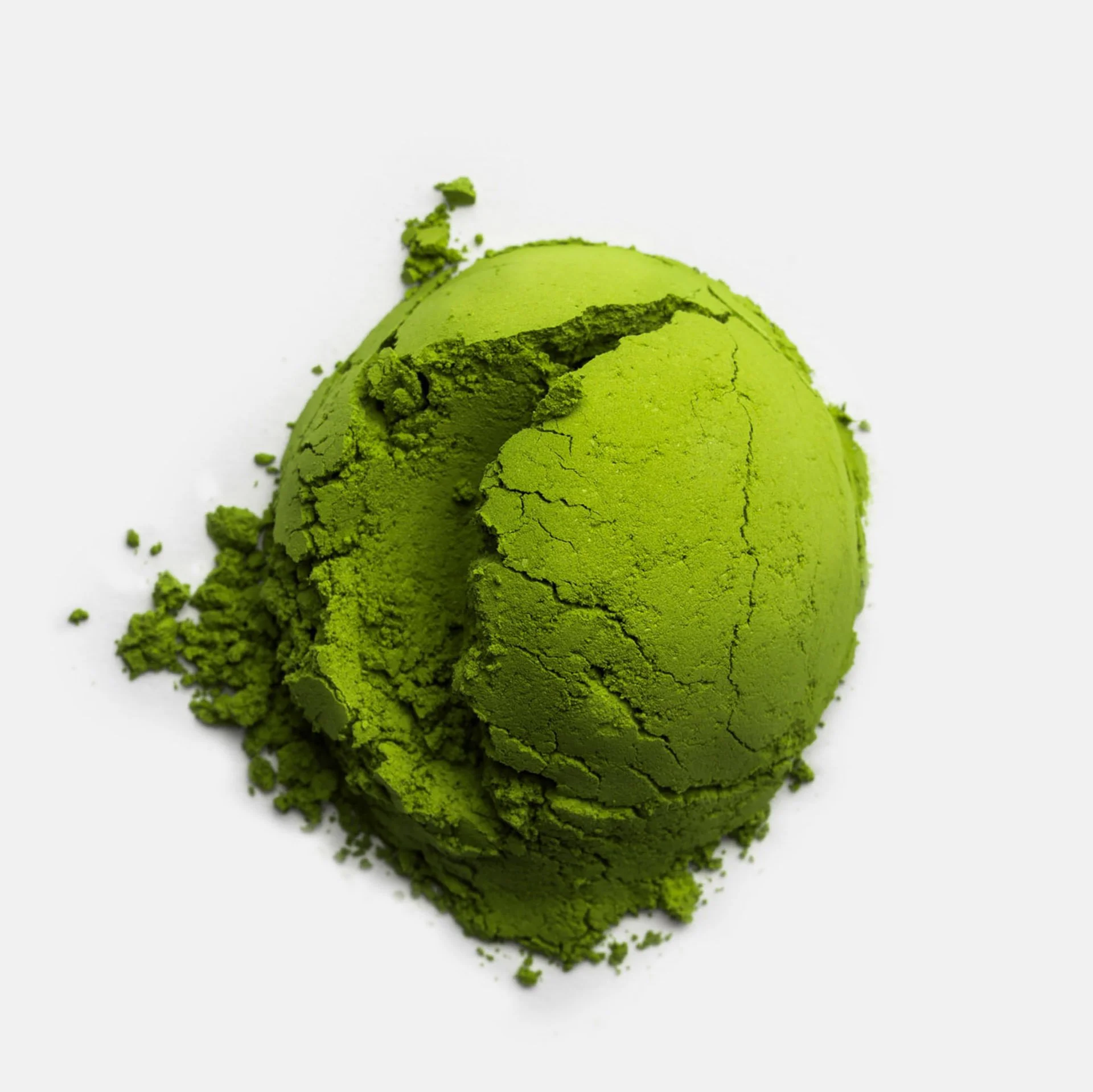
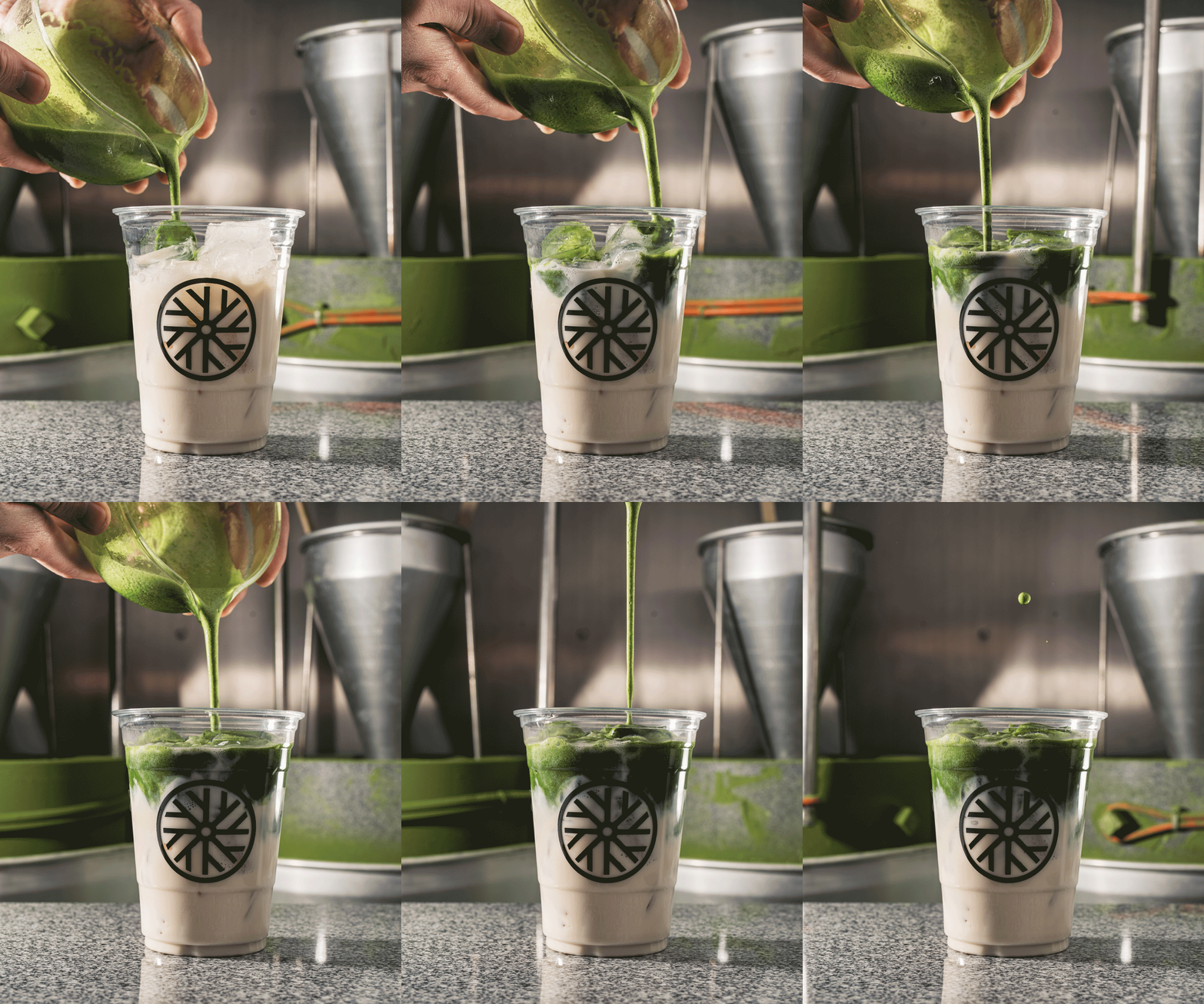
Formulated for Matcha lattes made without compromise. Blended in Uji, Kyoto, Japan and stone-milled in the United States at Ooika, in Princeton New Jersey.
Producer Details
Ooikaさん
Founded in the United States with a focus on Single Origin Matcha. Solaris is Ooika’s first blend, crafted with discernment in Uji, Kyoto, Japan.
Cultivar Details
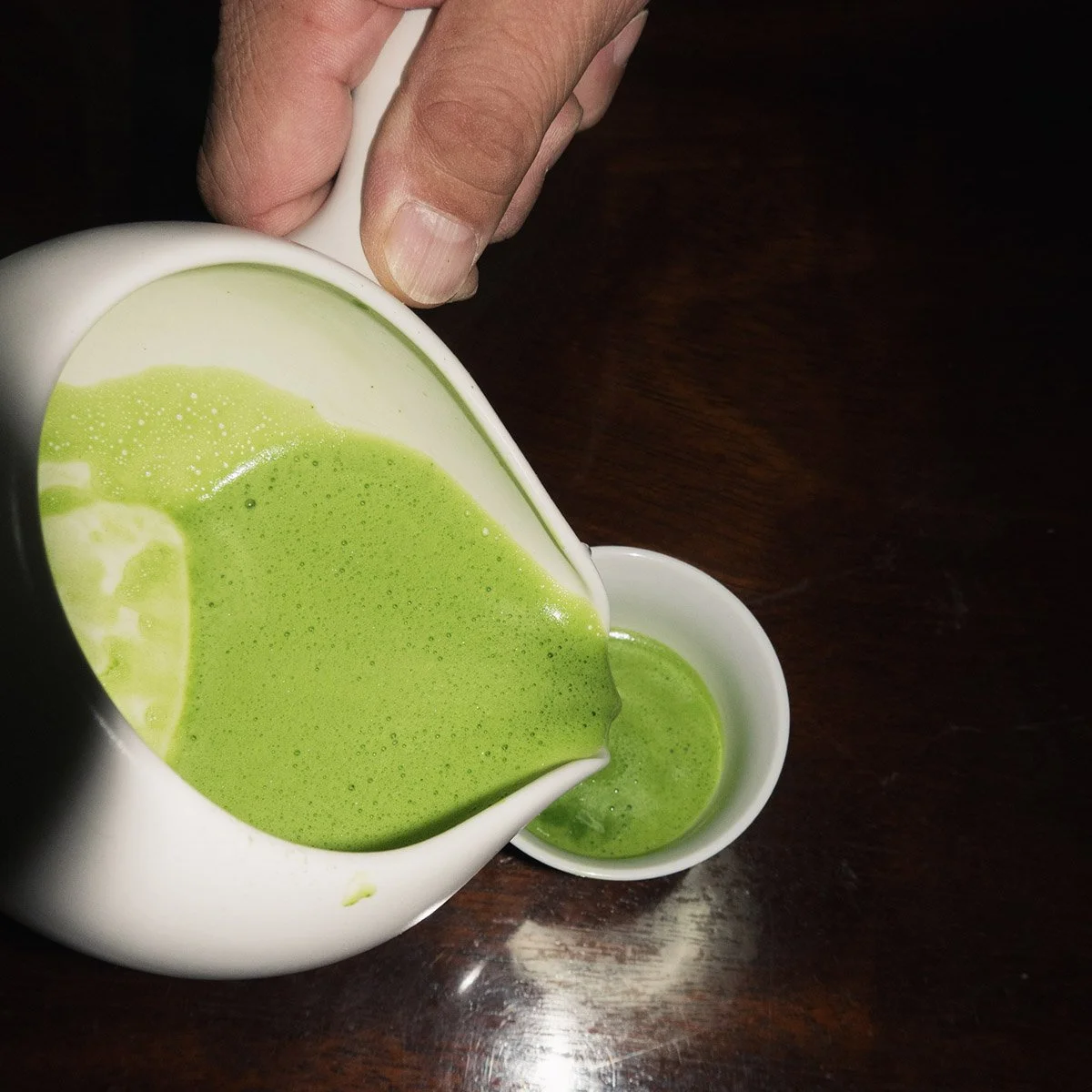
Blend (合組)
This matcha is a traditional Japanese blend, composed of many cultivars. Historically, matcha has always been blended. Single-cultivar or single-origin matcha is a modern, non-traditional practice that was popularized largely in part by Ooika. In Japan, single-cultivar matcha is not considered a finished product, but a raw ingredient like flour before it becomes bread.
Chashi are master blenders that are licensed across up to ten ranks, with only 13 individuals ever reaching the 10th rank. Their role is to create and maintain the aroma, flavor, and price of their blends. This is a monumental task given the base material changes every harvest.
Single Cultivar Matcha is like science, where blended Matcha is an artform. For this reason, Ooika does not create its own blends, nor do we disclose cultivar breakdowns for blended matcha. A blend is not a recipe to be itemized or reverse-engineered. Attempting to construct a blend arbitrarily or to dissect one into components may be well-intended but is ultimately disrespectful to the Chashi and their efforts.
Region Details
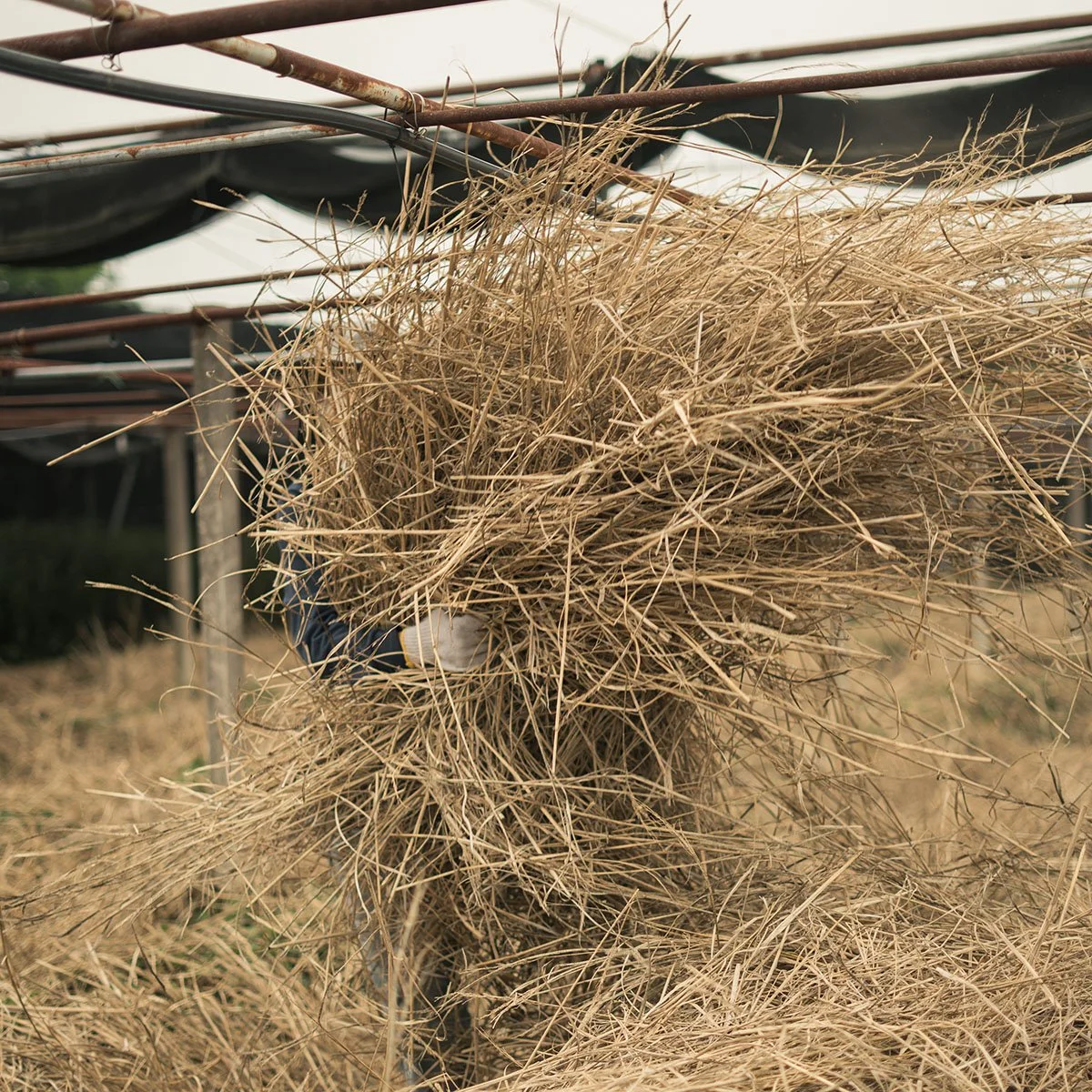
Uji, Kyoto, Japan
No city in Japan holds more relevance to Matcha than Uji City, Kyoto, Japan. Along side the Ujigawa river, nutrients from lake Biwa flow and enrich the sandy, well-draining soil. Morning fog rises above the river diffusing the sun. The end result? An exceptional tea terroir that birthed Matcha itself.
Tea in Kyoto began sometime after 1191 when buddhist Monk Eisai returned from China. The first bush was planted in Hakata, Fukuoka, Japan. After about 10 years, the plant was dug-up and moved to Kozan-ji temple in Kyoto, under the care of the monk Myoe. The original tea garden at Kozan-ji still exists today, where it is tended to by the farmer Yoshidaさん.
Tea cultivation at Kozan-ji temple became, and eventually spread to other regions within Kyoto. Initially, gambling games were played for the nobility to guess if the tea was Honcha “real tea” from Kozan-ji, or Hicha “fake tea” from anywhere else – including Uji. Over time, tastes changed. Uji city’s tea had such a delicious reputation that soon it was allowed to be considered “Honcha” as well.
In the 16th century as Sen no Rikyu entered the stage and began codifying the Japanese tea ceremony, Uji was already a powerhouse in reputation. Matcha itself was developed in Uji, which is a wholly distinct product from “Mo Cha”, or “ground tea” from China. It was in Uji that such as Oishita (grown under shading), and Tencha (steamed, unrolled tea) came to be.
Today, Ujicha has become synonymous with excellent Matcha. What many don’t know is that the Ministry of Agriculture, Forestry and Fisheries (MAFF) defines Uji-cha not as tea that is grown in Uji, but rather that is finished there. This makes tea grown in Uji itself exceptionally rare, accounting for less than 0.04% of the Japanese tea industry.
Matcha Safety
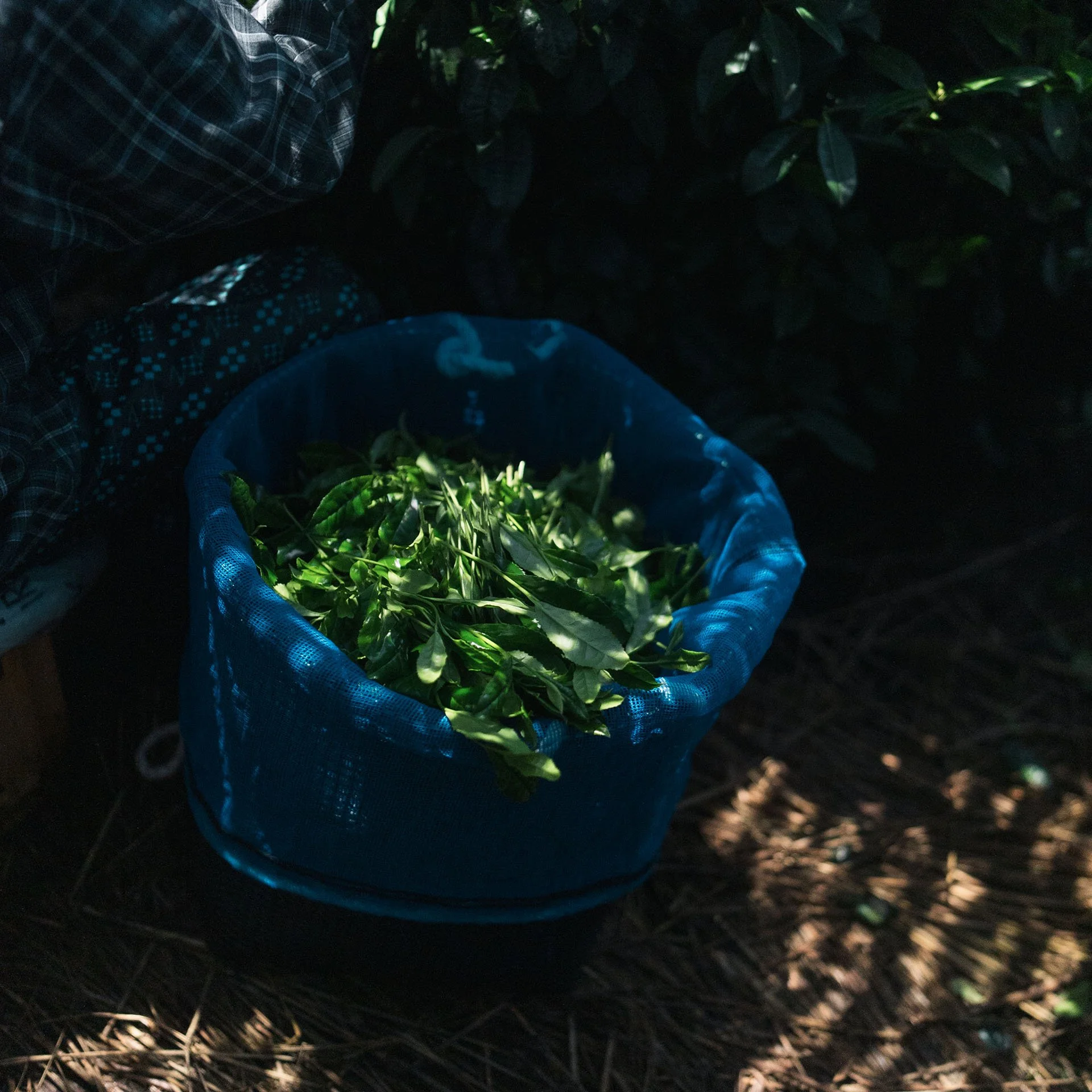
Ministry of Health, Labor and WelfarE
As one of the healthiest nations in the world, Japan enforces exceptionally strict standards for radioactive substances, heavy metals, and pesticide residues in all food products, including matcha. Routine monitoring and targeted inspections ensure compliance with Japan's notoriously rigorous food safety regulations. Distribution of food items that exceed any limit are prohibited. You can learn more about these regulations from Japan’s Codex Alimentarius and the Ministry of Health, Labor and Welfare (MHLW)’s website.