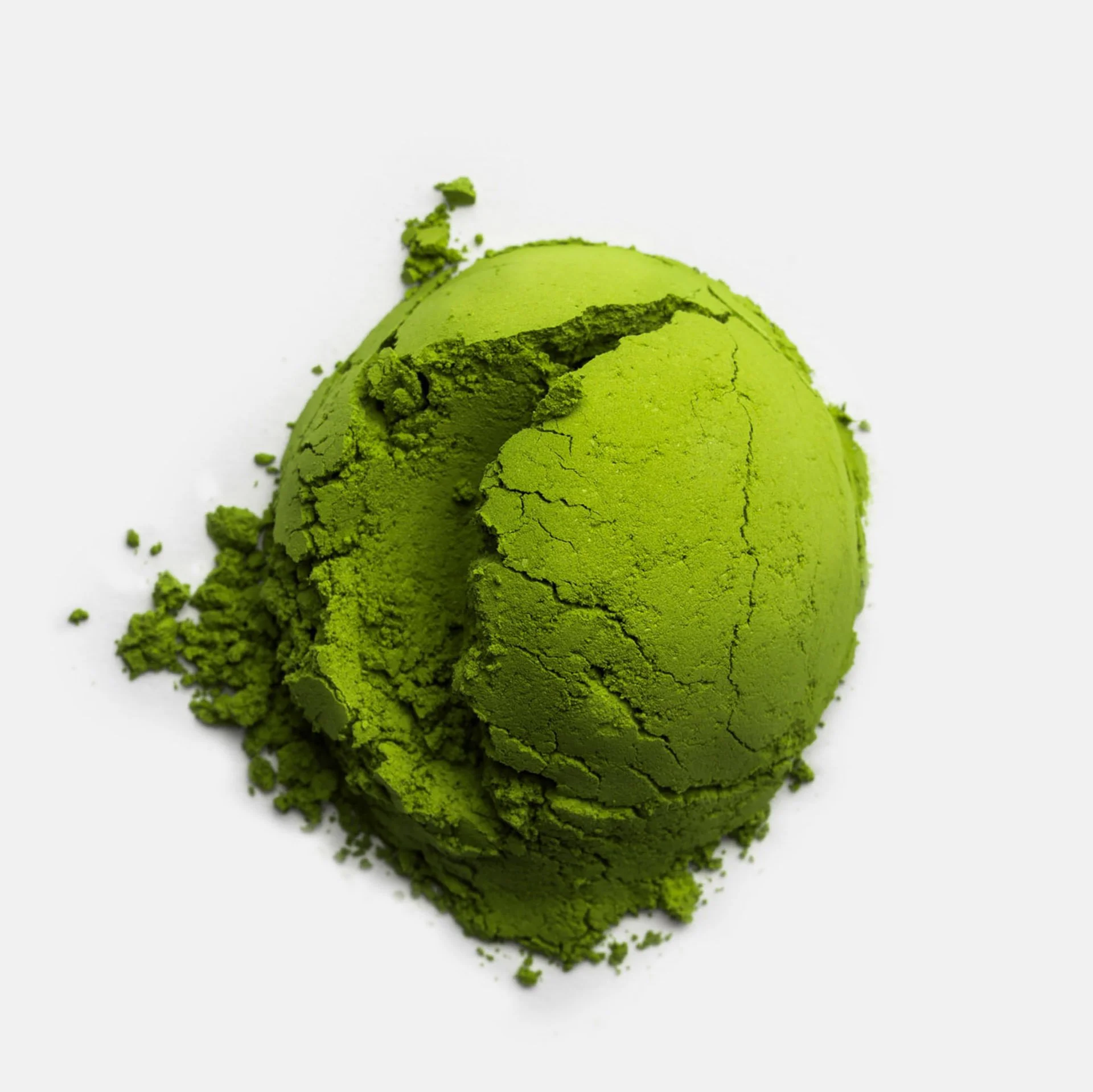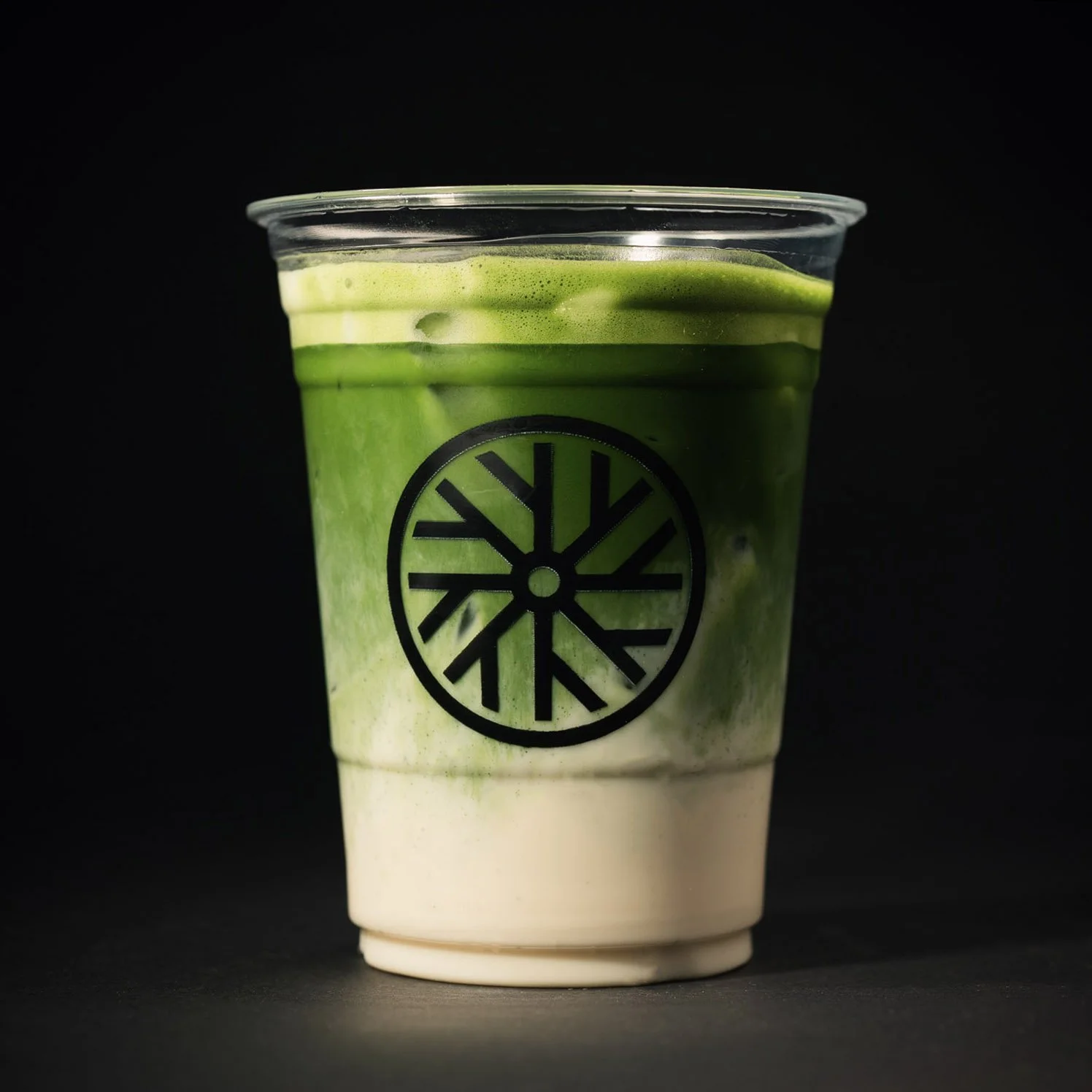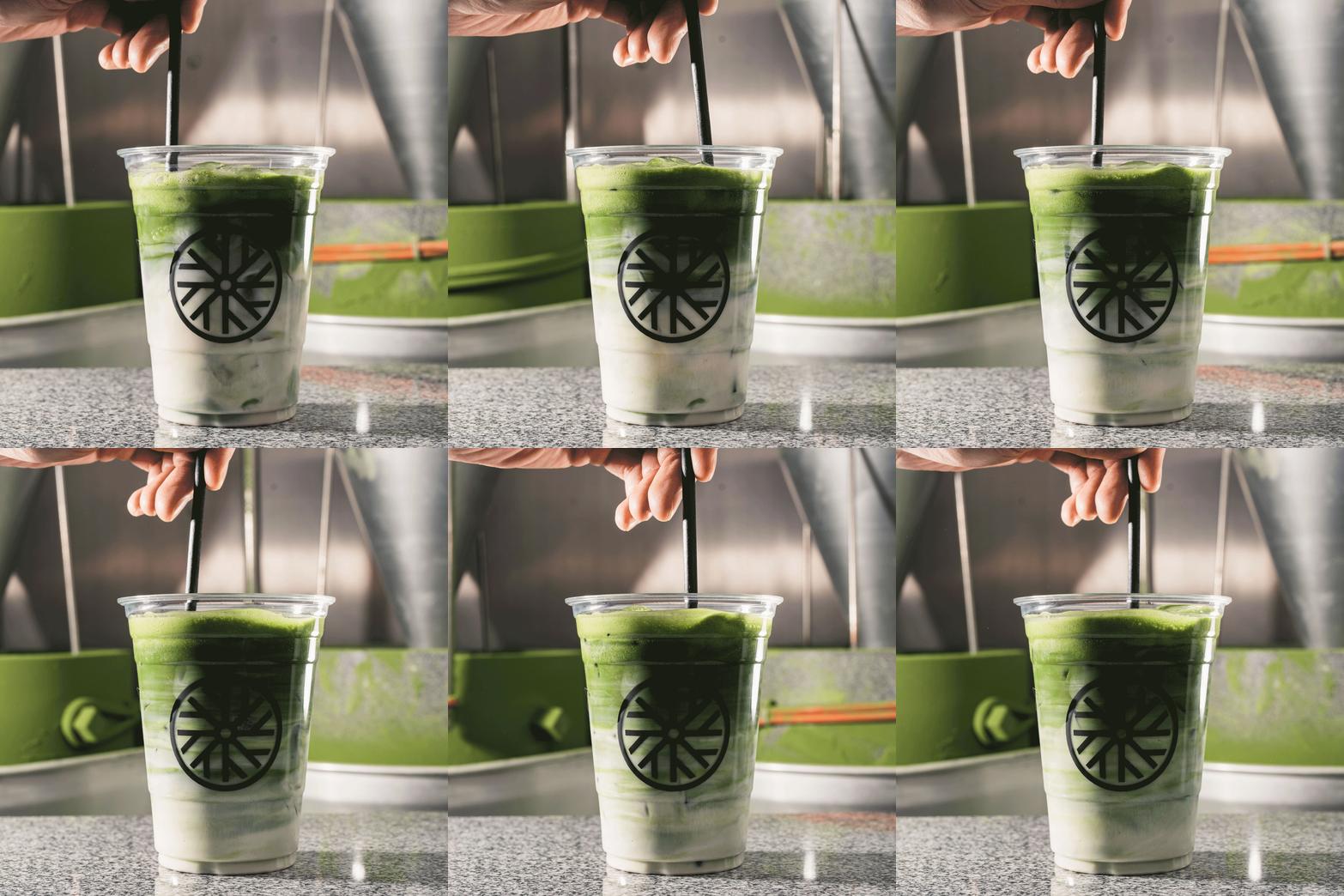
 Image 1 of 2
 Image 2 of 2
About this Matcha
This Seimei is produced by one of Yame’s most respected tea figures, Eshimaさん, whose work continues to define the region’s highest standards. Eshimaさん was awarded the prestigious Minister of Agriculture, Forestry and Fisheries Prize (農林水産大臣賞) in 2014 for his contributions to the advancement and preservation of Yame tea. He also serves as president of the 700-member Miroku-en tea co-operation, which includes many of the producers Ooika has featured, such as Kumaさん and Kurazumiさん.
After harvest, Eshimaさん sends the unrefined tea (Aracha) to Nakashimaさん, a 6th-generation master tea refiner, for final refinement. Nakashimaさん applies a carefully controlled Hiire (light firing) at approximately 90–100°C for 12–30 minutes, customized specifically to this batch.
This delicate firing helps set and stabilize the flavor, reduce moisture, and preserve freshness without pushing the tea into excessive roastiness. Freshness, color, and roasty aromatics exist in careful tension, and achieving balance requires deep experience. Nakashimaさん’s refining house has been in continuous operation for over 130 years, and each Hiire is expertly adjusted.
-
To make a fresh and smooth bowl of Usucha or Koicha, follow our whisking instructions.
-
Long-term Storage: Store unopened Ooika Matcha in the refrigerator. Consume within 6 months.
Room-Temp Short-term Storage: Store opened Ooika Matcha in a cool, dark place away from sunlight. Consume within 3 months.
Refrigerator Short-term Storage: Opened Matcha can be stored in the refrigerator to help maintain freshness, however, the Matcha is at risk of condensation when cooler than ambient air. For this reason, if you choose to store an opened Matcha in the refrigerator, be sure to take the Matcha you need and then immediately place it back in the refrigerator to minimize exposure to the warm air.
Ochairinikki (御茶入日記)

Category Green tea (お茶) |

Subcategory Oishitacha (おおいしたちゃ) |

Cultivar Seimei (せいめい) |

Producer Eshimaさん |

Terroir Yame, Fukuoka, Japan |

Vintage 2025 |

Harvest Time Single Spring Harvest (一番茶) |
Harvest Method Senteiki (剪定機) |

Shading Style Kanreisha (寒冷紗)) |

Shading Duration 18 days |

Milling Ishi-Usu (石臼) Stone-Milled by Ooika |

Packaging Cold-stored, oxygen-free bag |
Producer Details
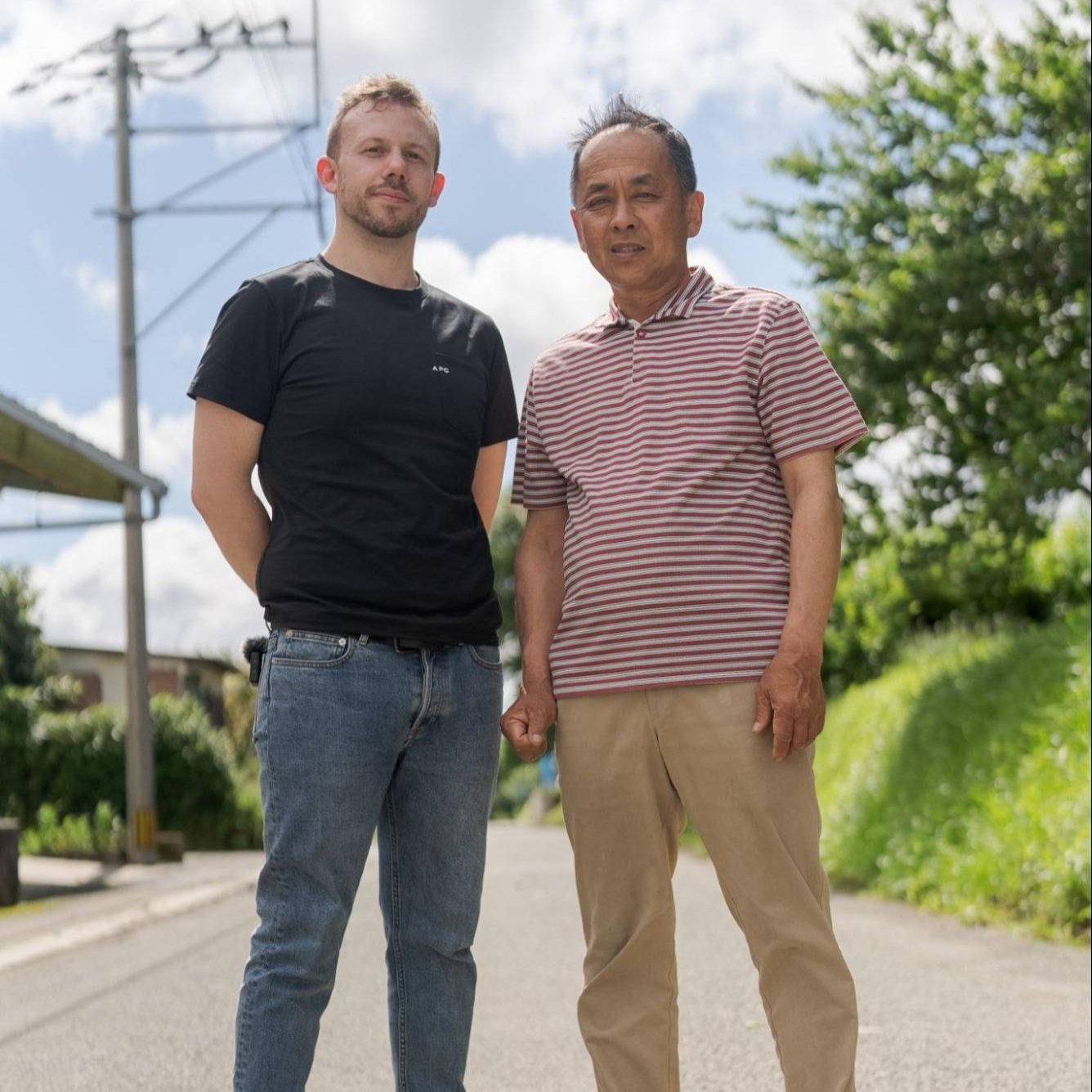
Eshimaさん
President of the Yame Miryoku-en Co-operative 八女美緑園製茶, with over 700 members.
His expertise has helped grow Yame to international recognizability.
Awarded the highly prestigious Minister of Agriculture, Forestry and Fisheries Prize (農林水産大臣賞) in 2014 by The Minister of Agriculture, Forestry, and Fisheries for his work in supporting tea from Yame.

Nakashimaさん
6th-generation master tea refiner, located in the heartland of Yame.
Part of the refining process of Yamecha is a final toasting step known as “Hiire.”
Each batch of unground Matcha, known as Tencha, is individually examined and bespoke roasted.
CULTIVAR
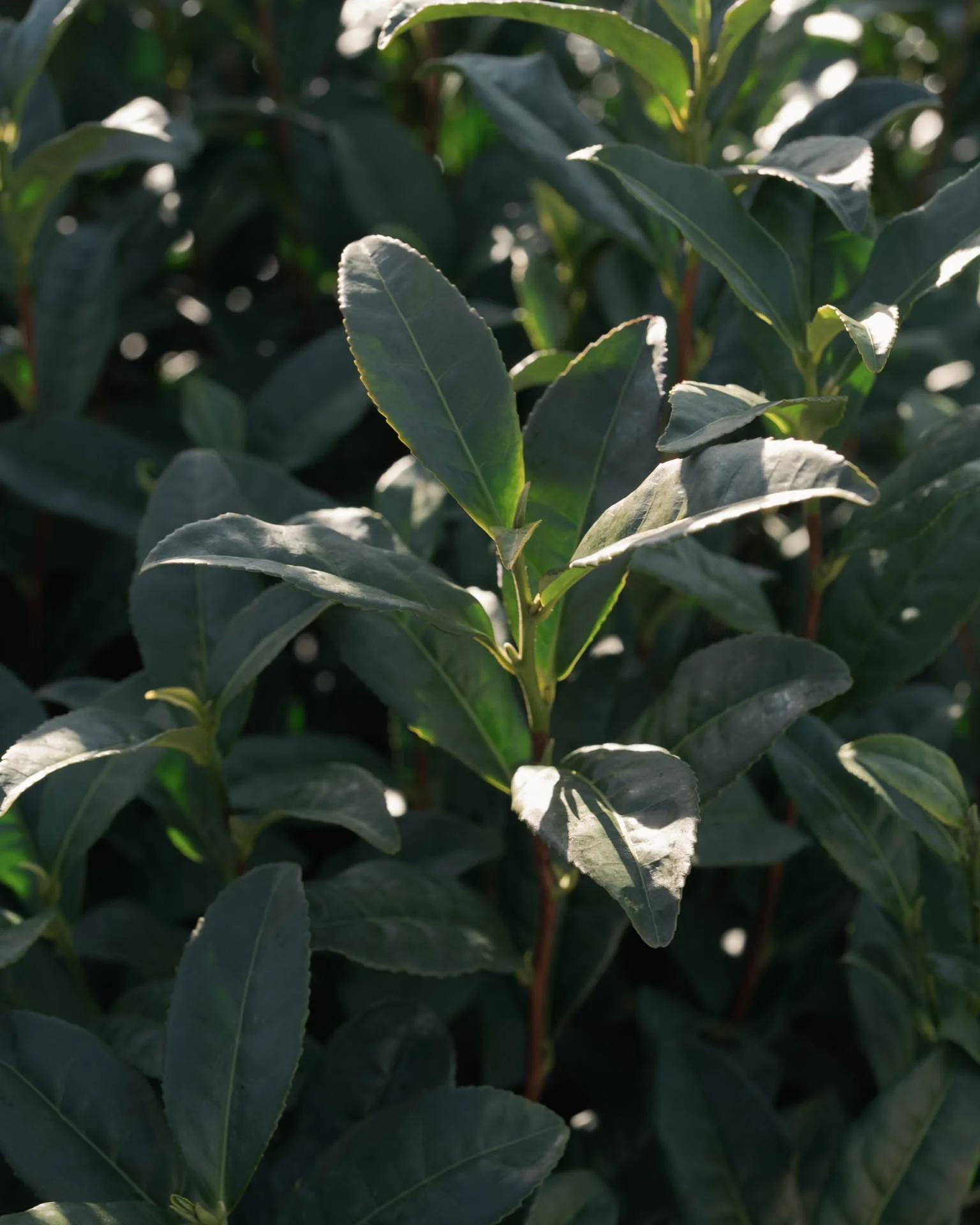
Seimei (せいめい)
Most tea cultivars were developed with Sencha in mind for the simple reason that the majority of Japanese tea that was (and still is) produced is for Sencha. The recent Matcha boom is changing this in real time, of course.
Seimei was the exception to this rule, developed explicitly for thriving in shade. Whether that is Tencha (unground Matcha), Kabusecha, etc. The name Seimei refers to Sei (meaning pure) and Mei (and older word meaning tea); thus "pure tea," representing the bright color of cultivar and clean taste.
As an early ripening tea (known as Wase) Seimei is harvested days before Yabukita, at least in warmer regions. Seimei is a somewhat recent registered cultivar, filing for registration in 2016 and receiving it in 2020 under the number 27874. Though it typically takes 20 to 30 years of research after crossing to be a registered cultivar. It was developed by Japan's National Agriculture and Food Research Organization (NARO) at in Makurazaki, Kagoshima.
Seimei is a cross between Saemidori, a highly popular cultivar used in Tencha cultivation due to it's delicious and sweet taste, and Fuushuun, a high volume cultivar. As popular as Yabukita is, it's laregy not suitable for Matcha production, though Seimei is both economical, productive, and tasty when shaded. Being from south Japan, it flourishes in warmer environments and is less common in the North.
TERROIR Details
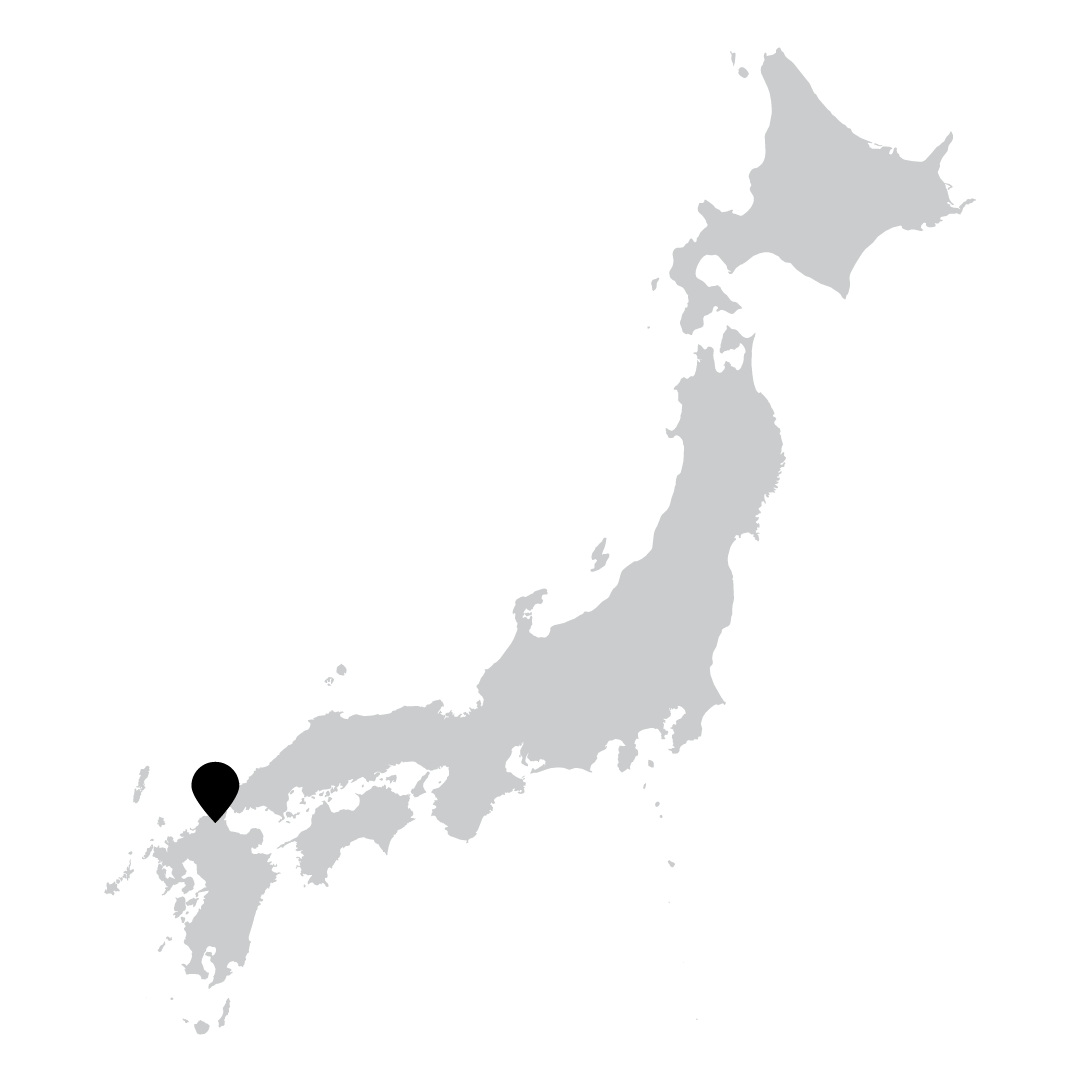
Yame, Fukuoka, Japan
Located in the northwest sector of Kyushu Island, Fukuoka Prefecture stretches to the east, connecting to Japan's main island, Honshu, through the Kanmon Straits. Traveling west, we reach the Saga Prefecture, known in the old times as the Hizen province, which encompassed the current Nagasaki Prefecture. Hizen was an entrance to Japan from the Korean Peninsula and mainland China. Fukuoka became a road for all the merchant goods and immigrants traveling through the mainland island on their way to, perhaps, Kyoto, the capital at that time. Fukuoka is still a bustling city known for its night food culture and Yame tea.
Zen Buddhism followed the same old path. Eisai, believed to have introduced tea seeds into the country together with earlier monks, planted some in the Sefuri Mountains, now the border with Saga Prefecture, where some remnants of a temple complex still exist together with their tea field. Fukuoka and other Kyushu prefectures are known as centers of Kamairicha production that used pan-firing instead of steam from the Chinese and Korean influences in the region. In the early 19th century, the prefecture eventually embraced steaming techniques developed in Uji, which would inevitably shift its production methods.
Yame, in the south of the prefecture, is regarded as an excellent terroir for Gyokuro. Thanks to the adoption of shading, long steaming, innovative farming techniques, and rich variations of nutrient-rich soil types. Yame has consistently dominated the Gyokuro competitions for many consecutive years.