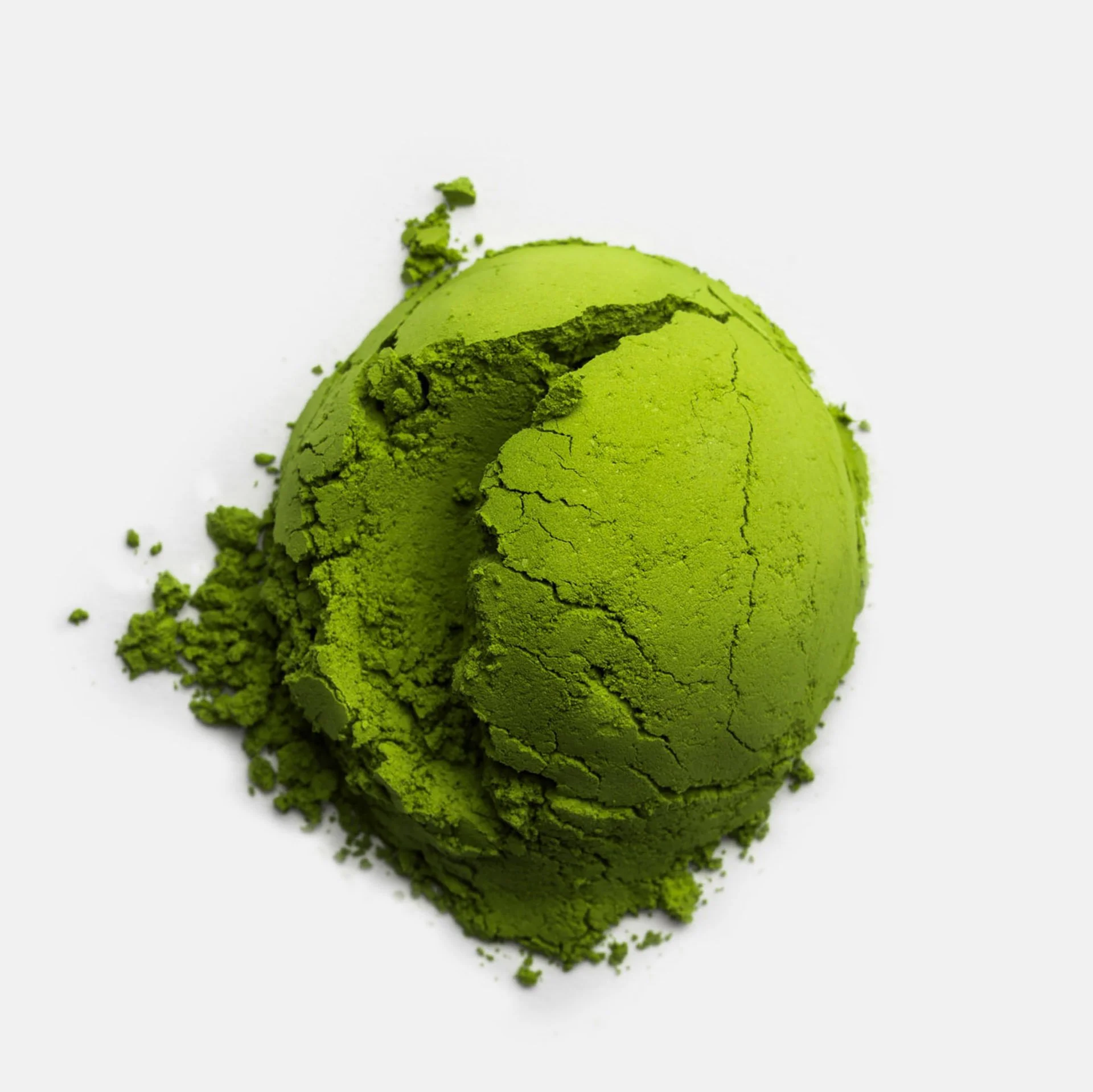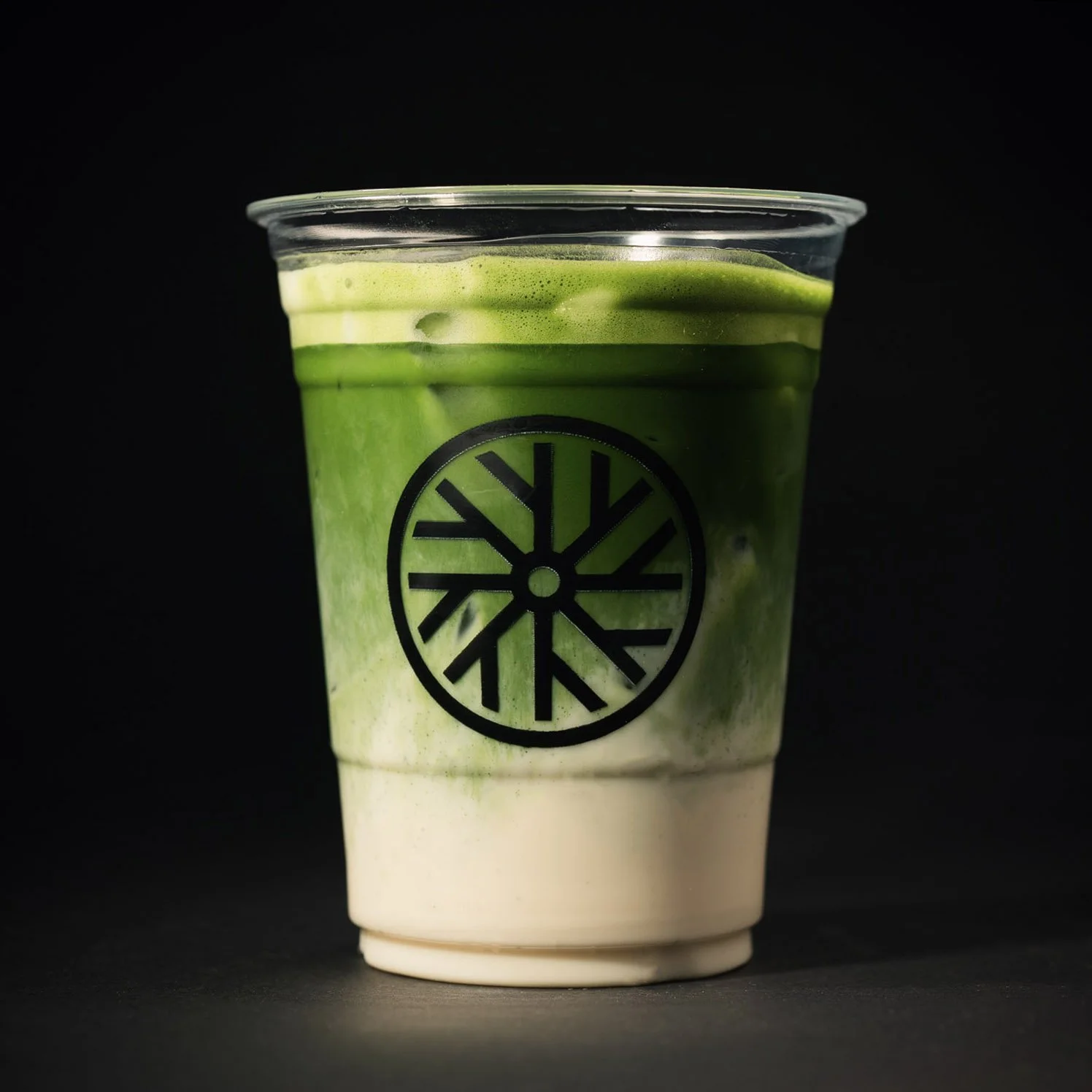
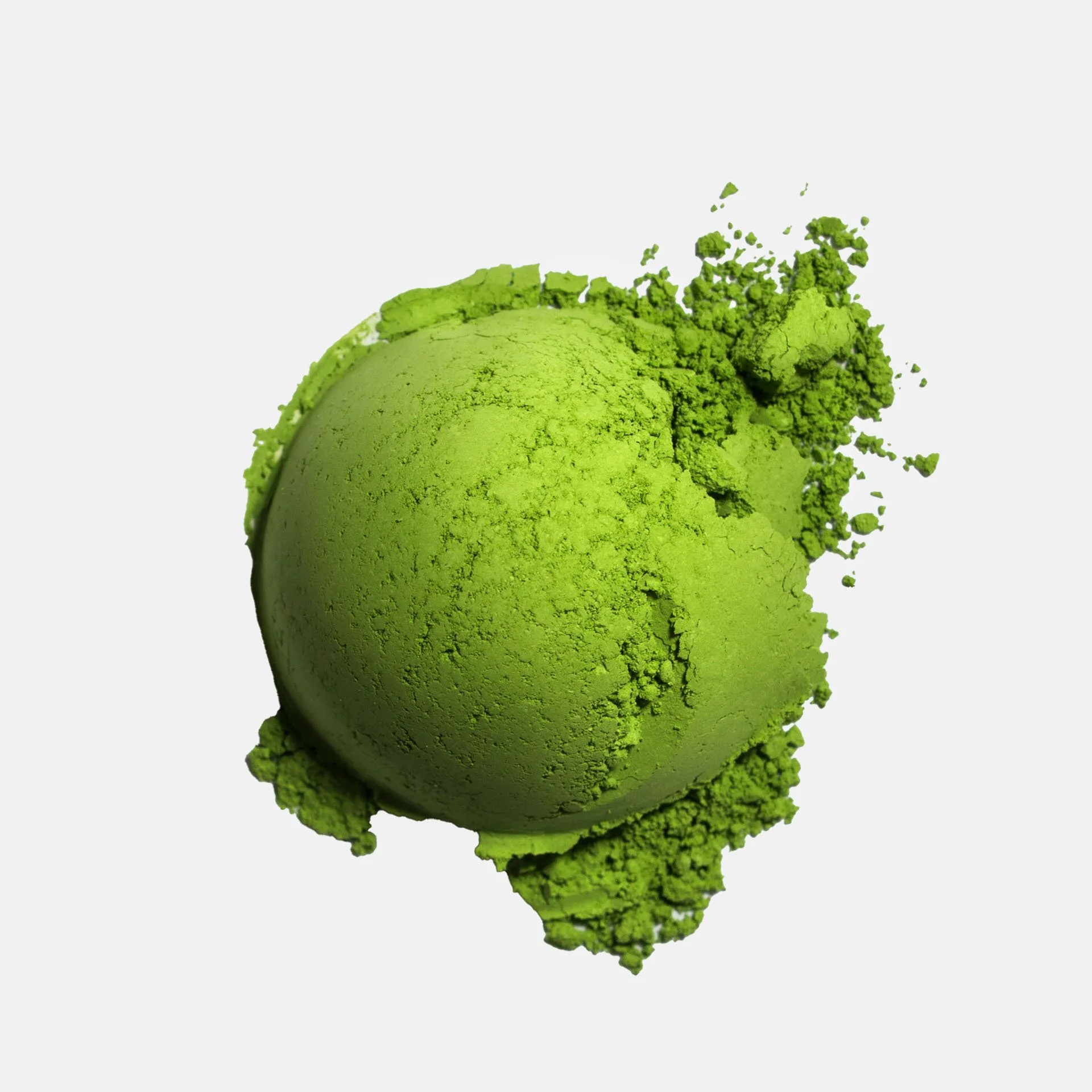
 Image 1 of 2
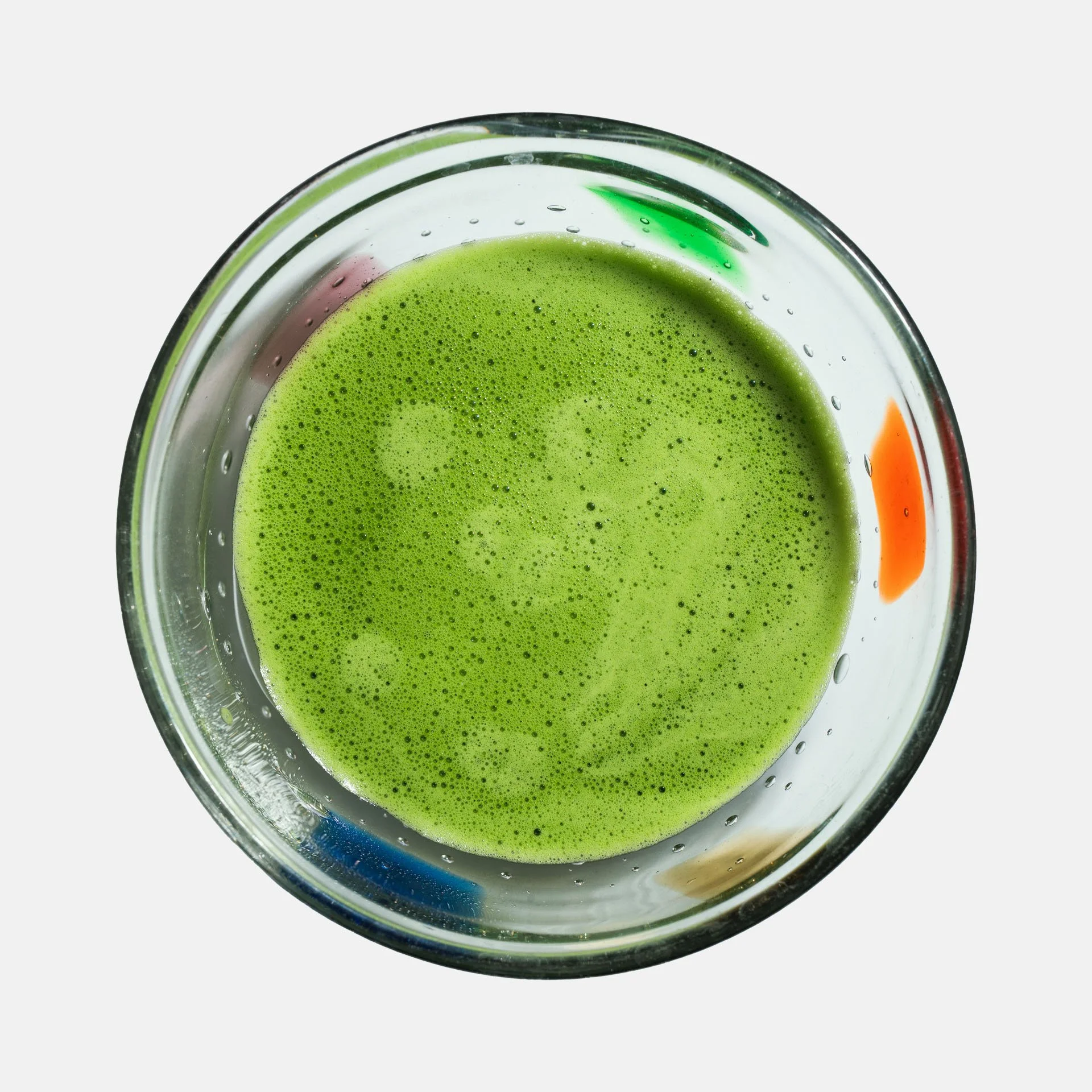 Image 2 of 2
About this Matcha
Tamed high notes through a lengthy Jukusei (aging) process. Smooth, supple, fatty. Held afloat by a strong vegetable base, combined with a rich savoriness which is a common through-line of all Tsujiさん’s Matcha. Especially recommended as Koicha, as its balance, and Jukusei aging, truly shine in this format.
-
Kuradashi (蔵出し) Matcha is aged, similar to fine wines or scotches. The aging process allows for a smoother, elegant tannin.
With over a 1,000-year history, Uji is the heart of Matcha in Japan. Though small, the city of Uji is composed of smaller districts, such as Ogura, Gokasho, Shirakawa, and more.
Each district will have slightly different terroirs. Our Samidori comes from Tsujiさん’s farm located in the Uji district of Shirakawa. Matcha from Uji retains the most international fame – and in fact, even those who have little Matcha knowledge still recognize the name Uji. Despite this, the vast majority of Matcha labeled as “Uji” matcha was not actually grown there, but simply packaged in Uji.
Samidori itself is a popular, and rather economical, cultivar grown in Uji. Part of this popularity is because Samidori leaves remain soft (an important feature in good Matcha), and the bush is known for its high yield. The cultivar has an exquisite smoothness, that makes it appropriate for beginners.
Tsujiさん is a renowned Uji producer, holding multiple awards including the sole emperor’s award given for a Tencha (unground Matcha.)
-
To make a fresh and smooth bowl of Usucha or Koicha, follow our brewing instructions.
-
Long-term Storage: Store unopened Ooika Matcha in the refrigerator. Consume within 6 months.
Room-Temp Short-term Storage: Store opened Ooika Matcha in a cool, dark place away from sunlight. Consume within 3 months.
Refrigerator Short-term Storage: Opened Matcha can be stored in the refrigerator to help maintain freshness, however, the Matcha is at risk of condensation when cooler than ambient air. For this reason, if you choose to store an opened Matcha in the refrigerator, be sure to take the Matcha you need and then immediately place it back in the refrigerator to minimize exposure to the warm air.
Ochairinikki (御茶入日記)

Category Green tea (お茶) |

Subcategory Oishitacha (おおいしたちゃ) |

Cultivar Samidori (さみどり) |

Producer Tsujiさん |

Terroir Shirakawa, Uji, Kyoto, Japan |

Vintage 2025 |

Harvest Time Single Spring Harvest (一番茶) |

Harvest Method 100% Handpicked (手摘み, Tezumi) |

Shading Style Kanreisha (寒冷紗) |

Shading Duration 45 days |

Milling Ishi-Usu (石臼) Stone-Milled by Ooika |

Packaging Cold-stored, oxygen-free bag |
Visit the FARM OF Tsujiさん
Producer

Tsujiさん
Tsujiさん visits his tea farm twice a day, every day.
He checks the leaves through the garden, looking for the sheen.
Dull leaves indicate the plant needs more fertilizer.
“I only use fertilizer I can eat. Soba and herring.”
Distinctions

Tsujiさん had won Minister of Agriculture, Forestry and Fisheries award for tencha as many as 6 times. He won 56th Prime Minister Award which is one of Emperor's three awards and awarded at Agriculture, Forestry, and Fisheries Festival. Below is a selected, and non-exhaustive list.
Prime Minister Award, Japanese Emperor Award, at Agriculture, Forestry, and Fisheries Festival.
Minister of Agriculture, Forestry, and Fisheries Award
Japan Tea Central Public Interest Incorporated Association Chairman Award
National Tea Producers Association Chairman Award
National Tea Commerce and Industry Association President Award
Japanese Tea Science and Technology Chairman Award
Cultivar
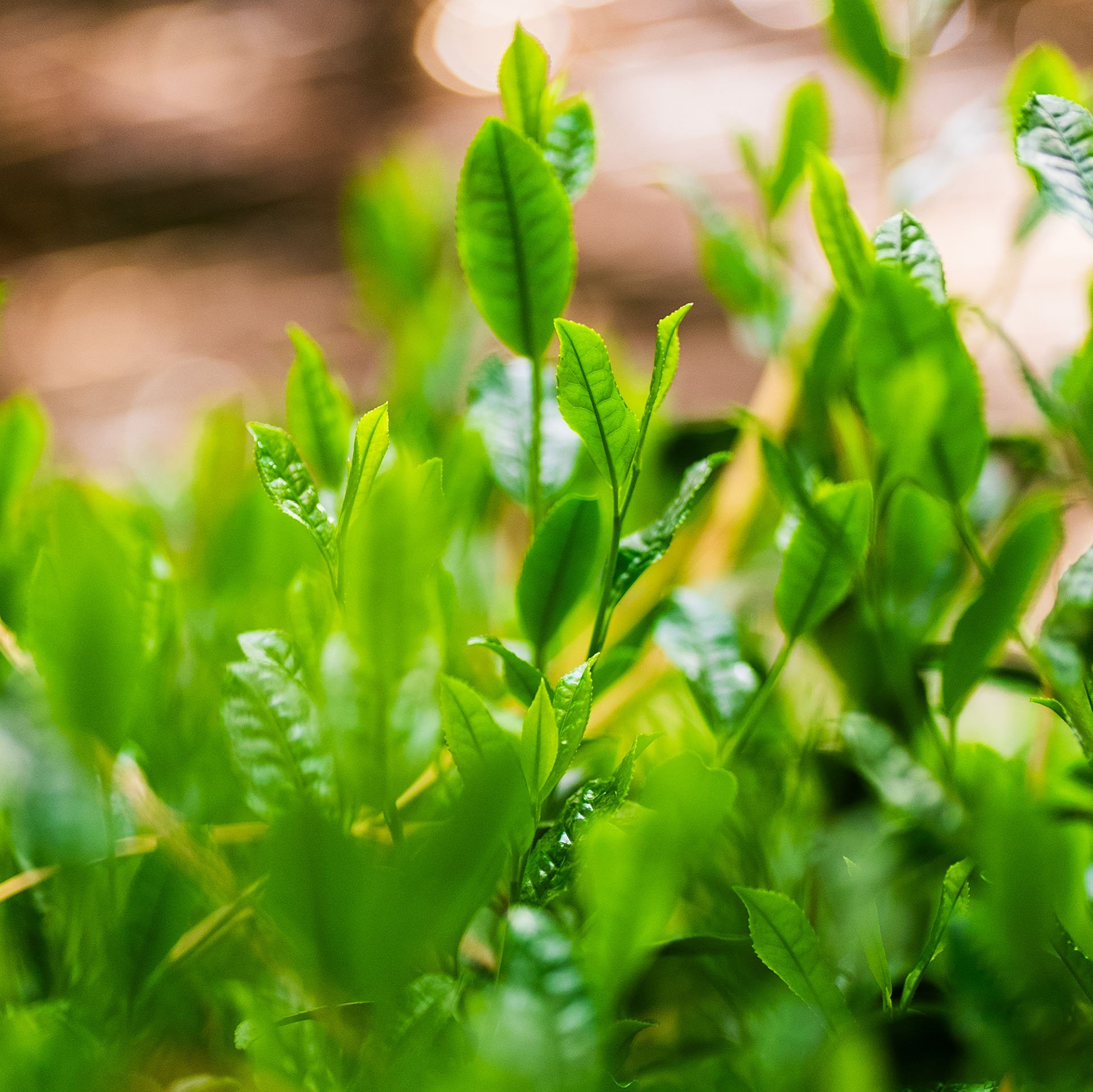
SAMIDORI (さみどり)
Samidori is another privately selected tea cultivar. Mr. Masajiro Koyama selected it from seed-grown trees, known as Zairai, in the 1930s. It has become a staple in the Kyoto prefecture and a popular cultivar for Tezumi, the traditional hand-picking method.
Its shoots are brightly coloured, glossy, and have an excellent fresh fragrance. Its upright shape, together with a wide range of harvesting times, makes it easier for the chazumi, the tea pickers, to go through the tea bushes multiple times, selecting only the best leaves for that day.
The Tencha from Samidori produces Matcha with low bitterness, a dark green color, gentle sweetness, and floral undertones. Its deep, clean, and mild umami flavor will make you want to whisk another bowl.
TERRIOR

Shirakawa, Uji, Kyoto, Japan
For Matcha, no Terroir in the world exceeds Uji. Despite having worldwide recognition, the actual quantity of tea from Uji is impossibly small, and shrinking every year as development continues.
And in fact, the total demand for Uji Matcha far exceeds the supply, by orders of magnitude. Most Matcha labeled as being from “Uji” is, confusingly, not. Thus the vast majority of “Uji” Matcha is not grown in Uji…
Here’s why: any tea that’s not grown in Uji village (such as nearby in Wazuka), but is refined or processed within Uji village may legally be called “Uji” tea.
A subtle distinction is made in Japan by saying “Cha No Uji (茶の宇治)” versus “Ujicha (宇治茶.)” Cha No Uji (茶の宇治) literally translates as “Tea from/of Uji”, versus just “Uji tea.”
Thus, experiencing true Cha No Uji (茶の宇治) Matcha from/of Uji is exceedingly rare.
THE FIELD
The Pinnacle of Uji
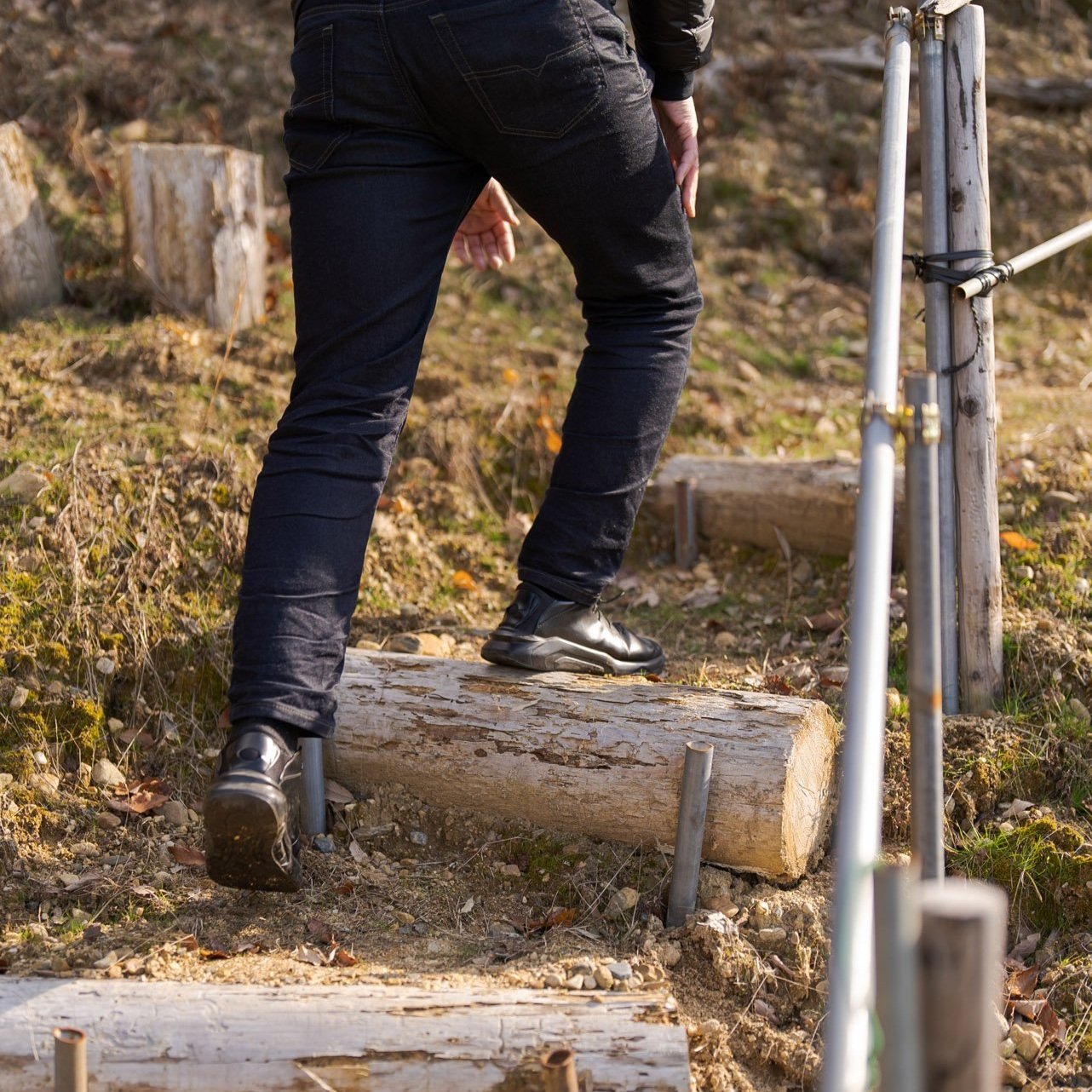
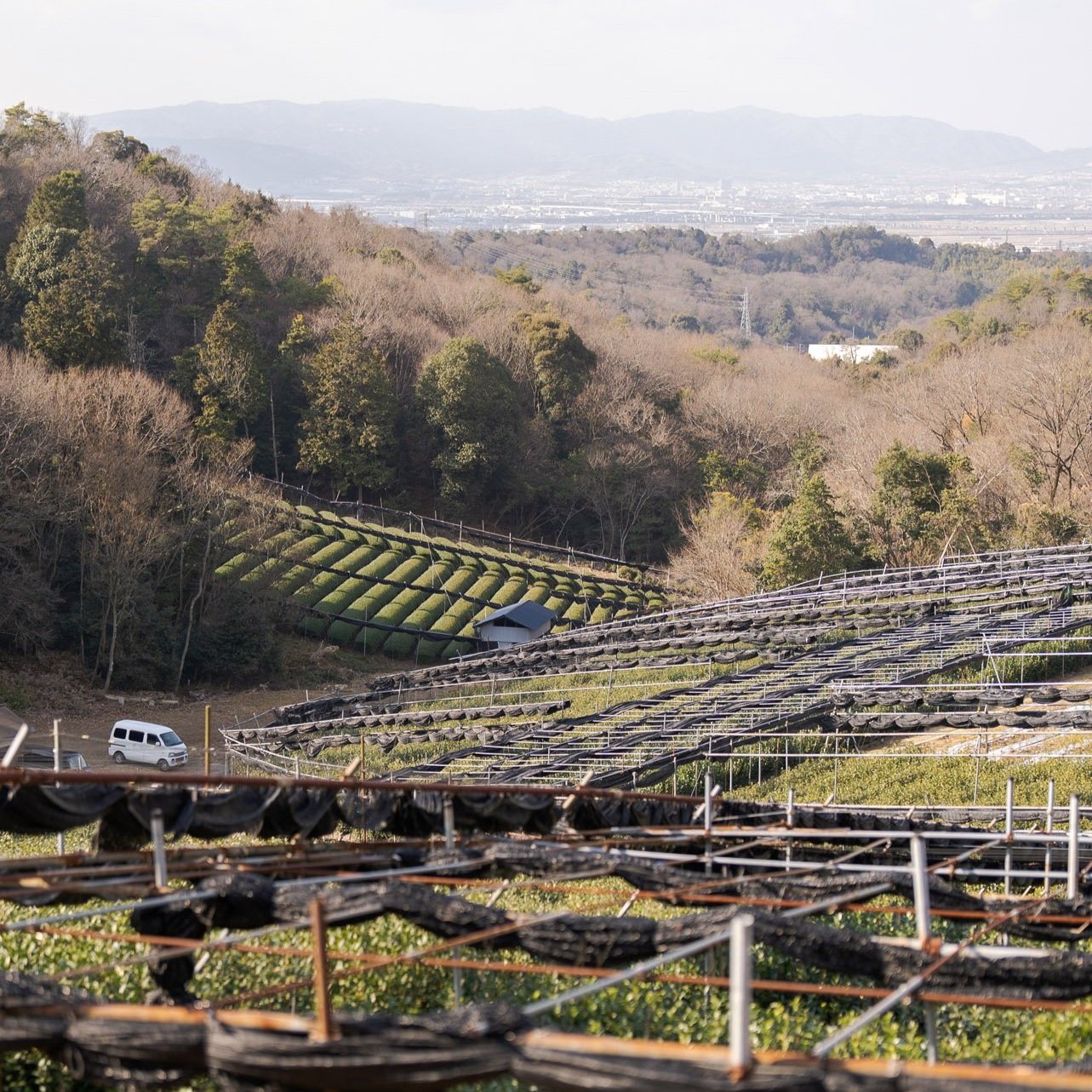
We hike up a path at the far end of Tsuji’s farm.
There’s a bench made of an old log we sit on and see the whole tea garden.
In the distance, the entire city of Kyoto is visible - even here in Uji, nearly an hour away by train.