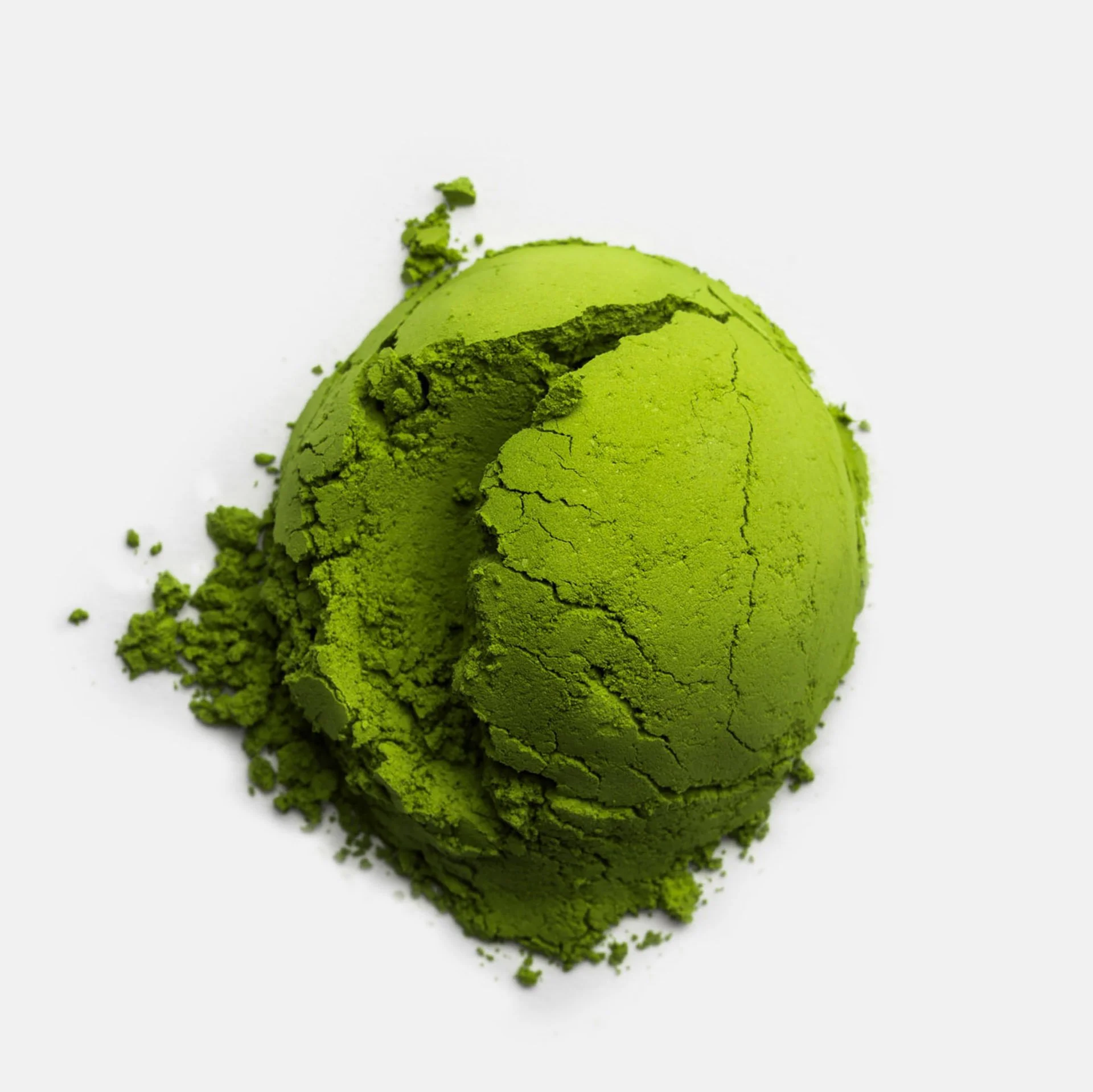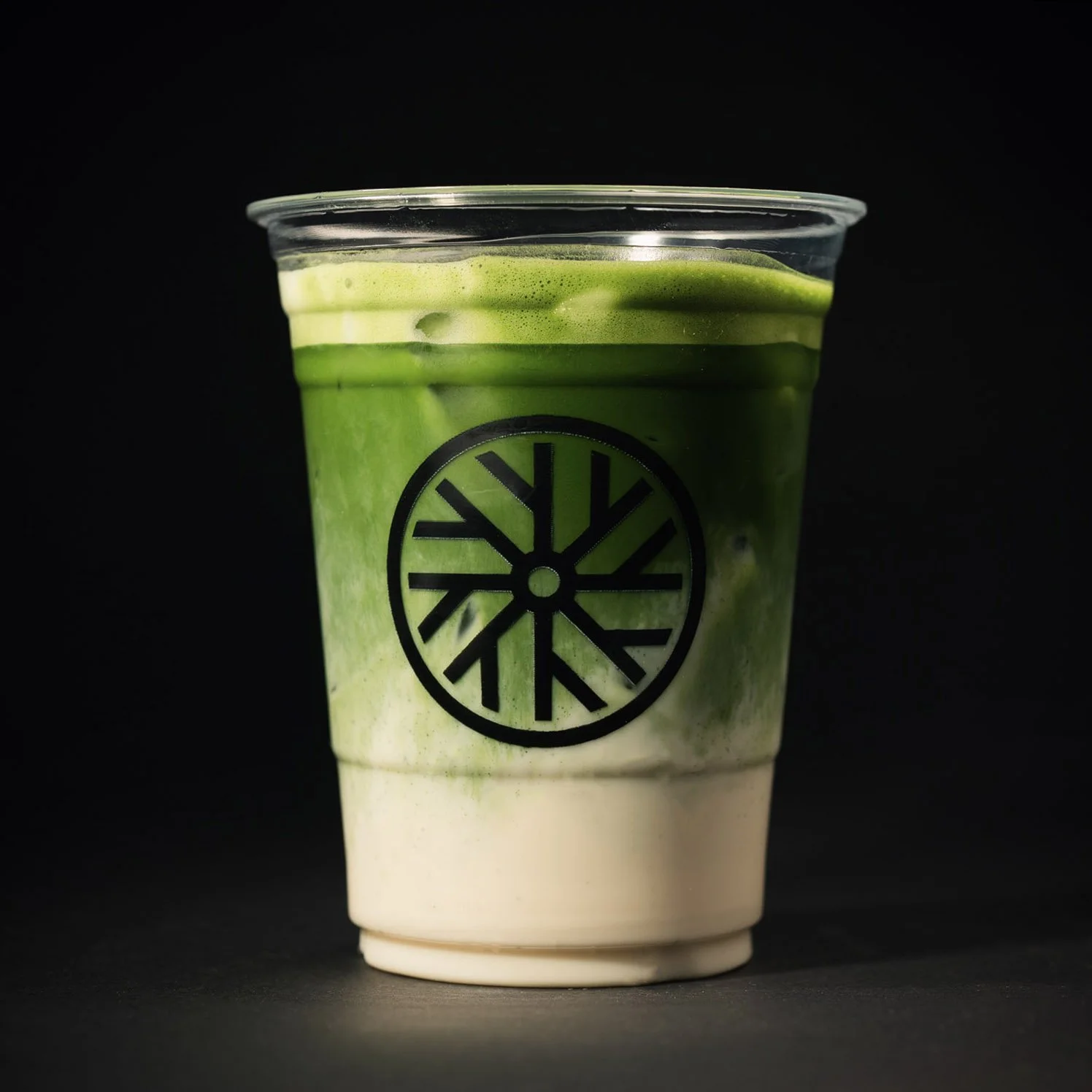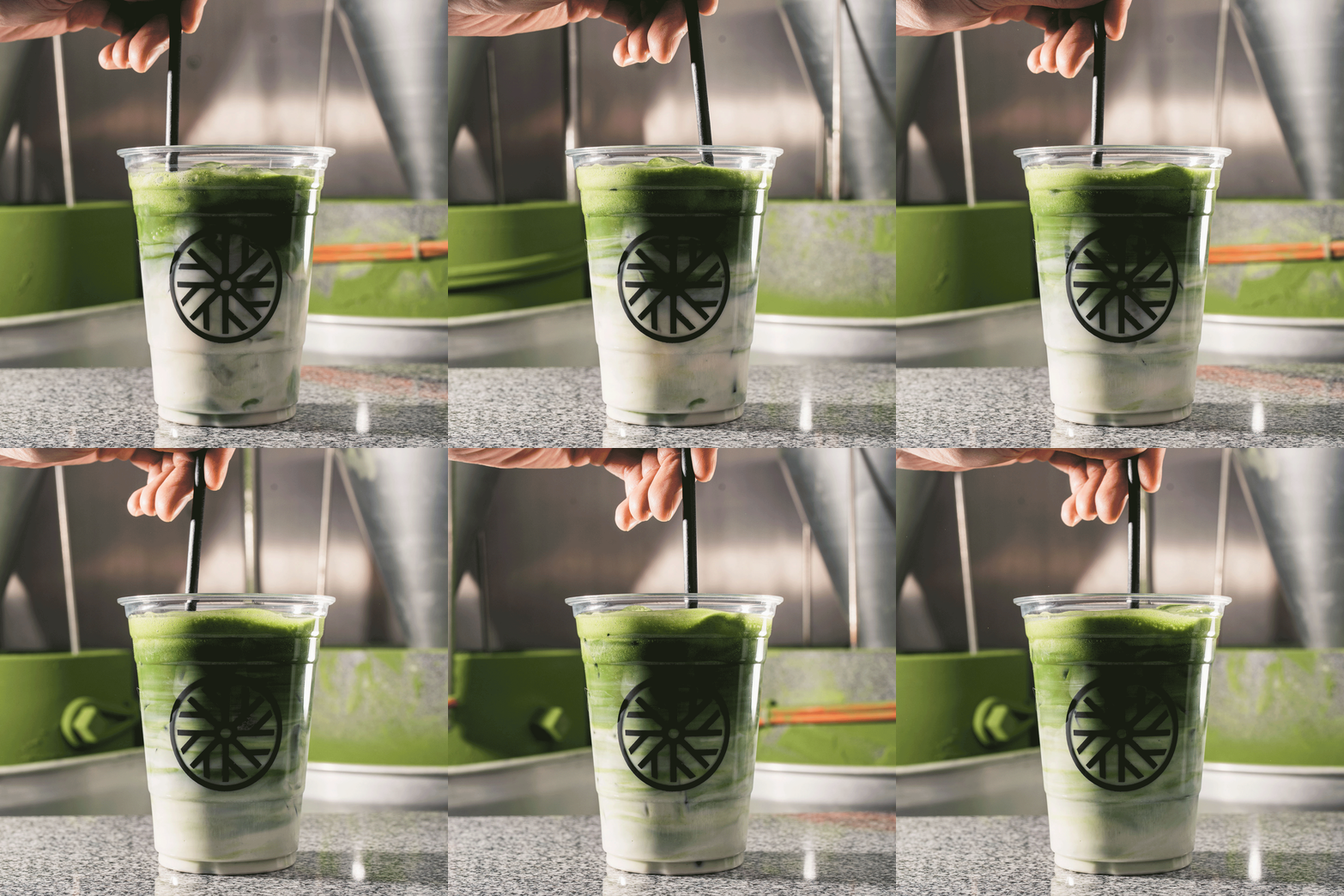
 Image 1 of 2
 Image 2 of 2
About this Matcha
-
To make a fresh and smooth bowl of Usucha or Koicha, follow our whisking instructions.
-
Long-term Storage: Store unopened Ooika Matcha in the refrigerator. Consume within 6 months.
Room-Temp Short-term Storage: Store opened Ooika Matcha in a cool, dark place away from sunlight. Consume within 3 months.
Refrigerator Short-term Storage: Opened Matcha can be stored in the refrigerator to help maintain freshness, however, the Matcha is at risk of condensation when cooler than ambient air. For this reason, if you choose to store an opened Matcha in the refrigerator, be sure to take the Matcha you need and then immediately place it back in the refrigerator to minimize exposure to the warm air.
Ochairinikki (御茶入日記)

Category Green tea (お茶) |

Subcategory Oishitacha (おおいしたちゃ) |

Cultivar Saemidori (さえみどり) |

Producer Shimizuさん |

Terroir Kageyama, Uji, Kyoto, Japan |

Vintage 2024 |

Harvest Time Single Spring Harvest (一番茶) |

Harvest Method 100% Handpicked (手摘み, Tezumi) |

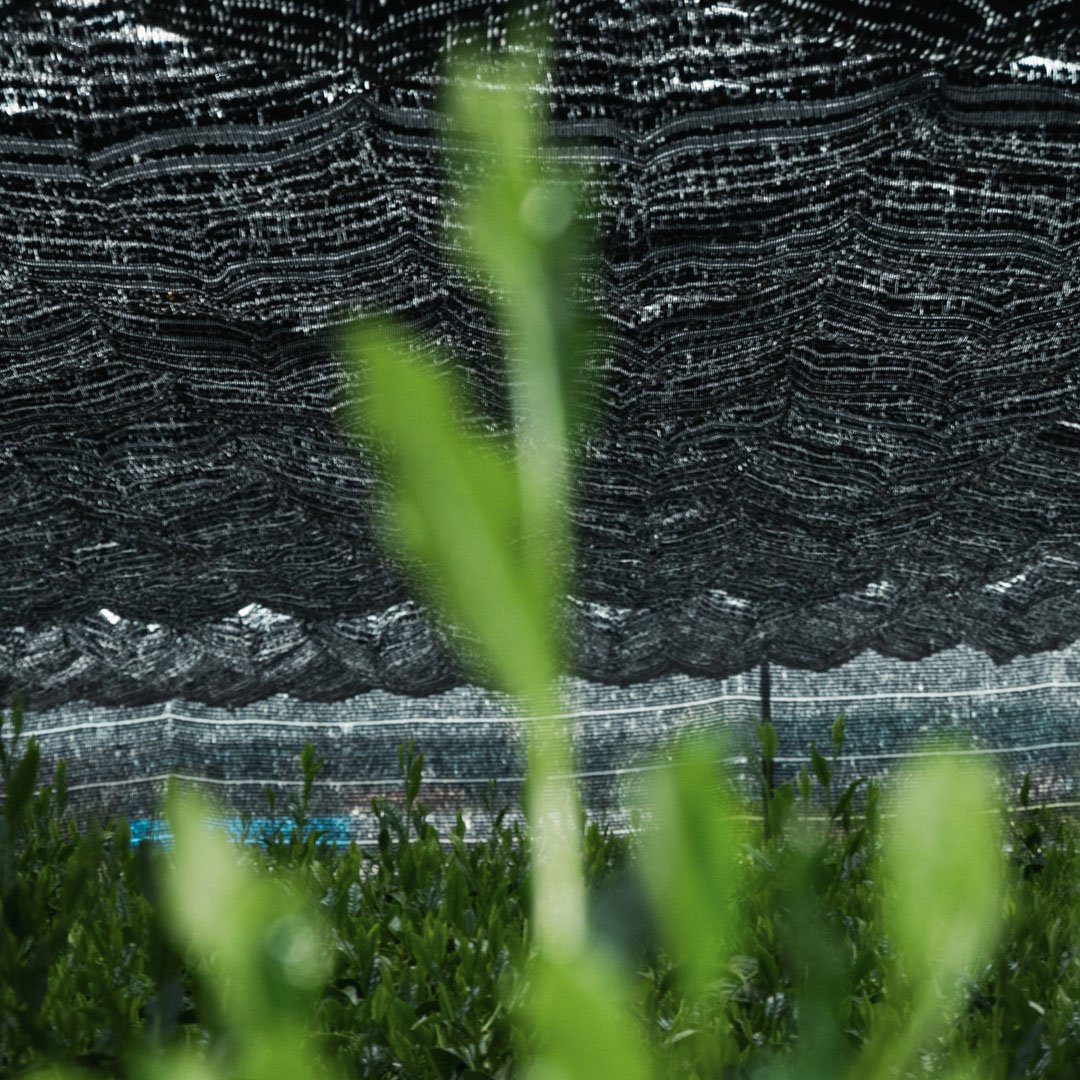
Shading Style Kanreisha (寒冷紗) |

Shading Duration 45 days |

Milling Ishi-Usu (石臼) Stone-Milled by Ooika |

Packaging Cold-stored, oxygen-free bag |
Visit the Shimizu Farm
Ooika leads the industry with the most precise souring details and transparency. Let’s visit Shimizu farm and see where this Matcha comes from.
Visiting the Shimizu Tea Farm by Ooika
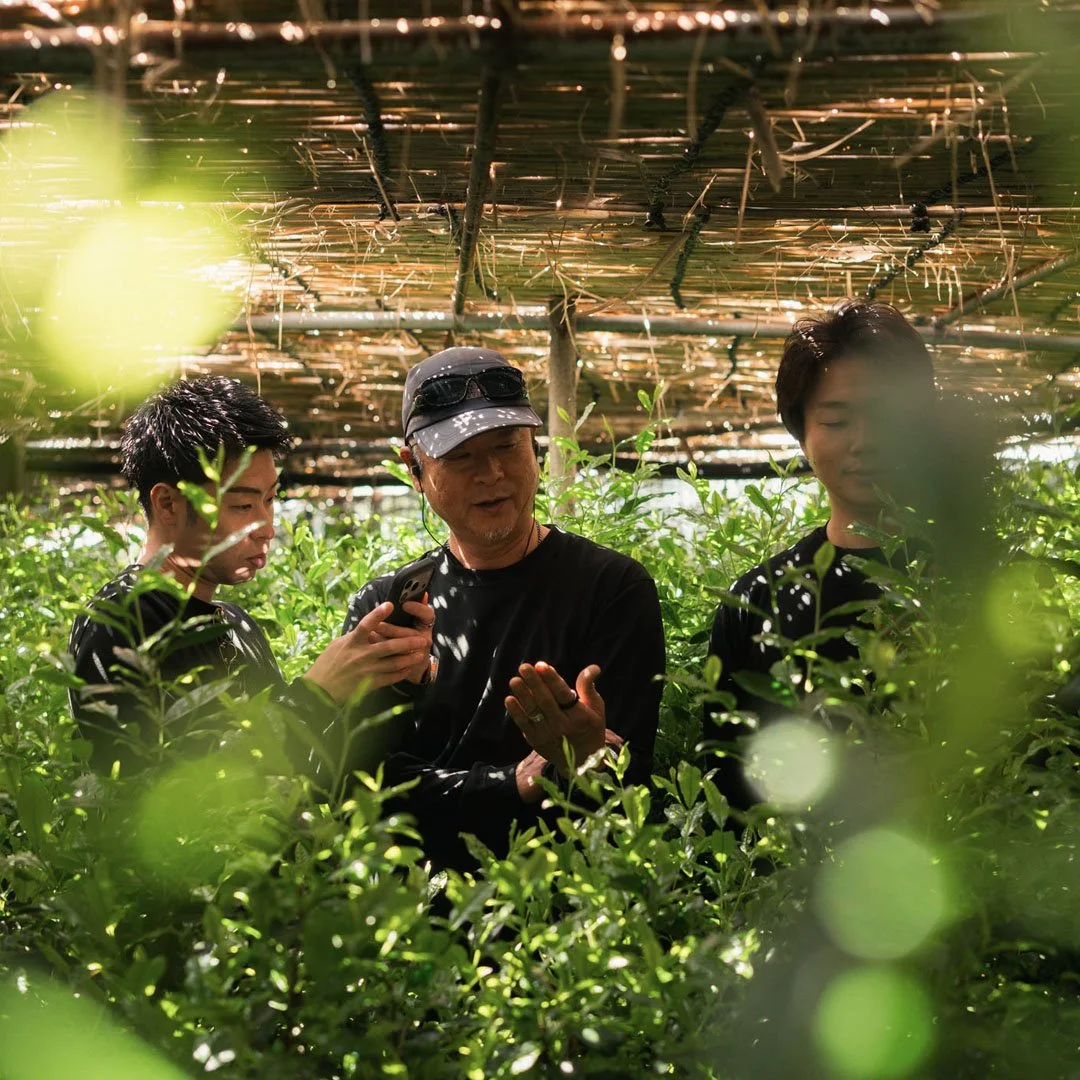

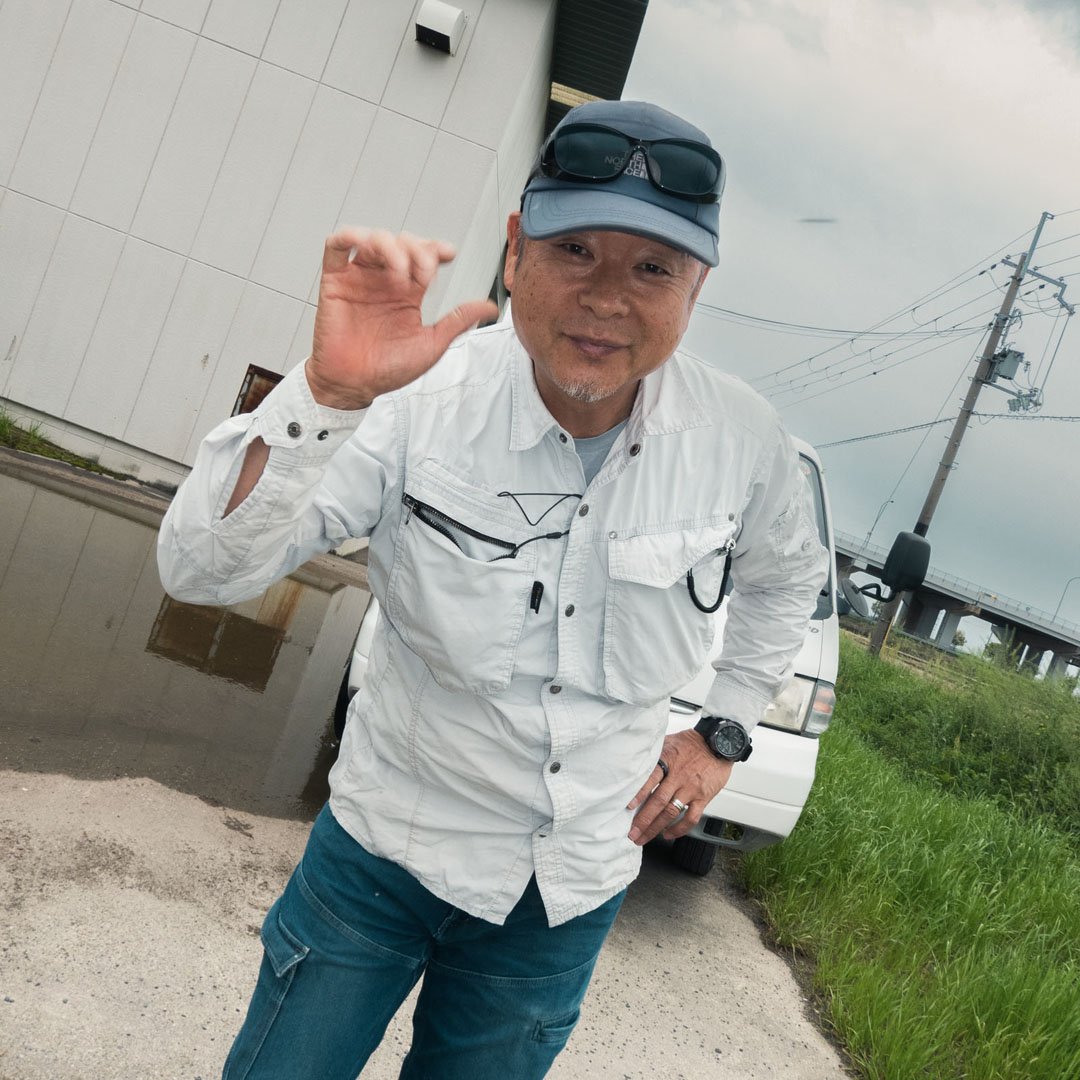

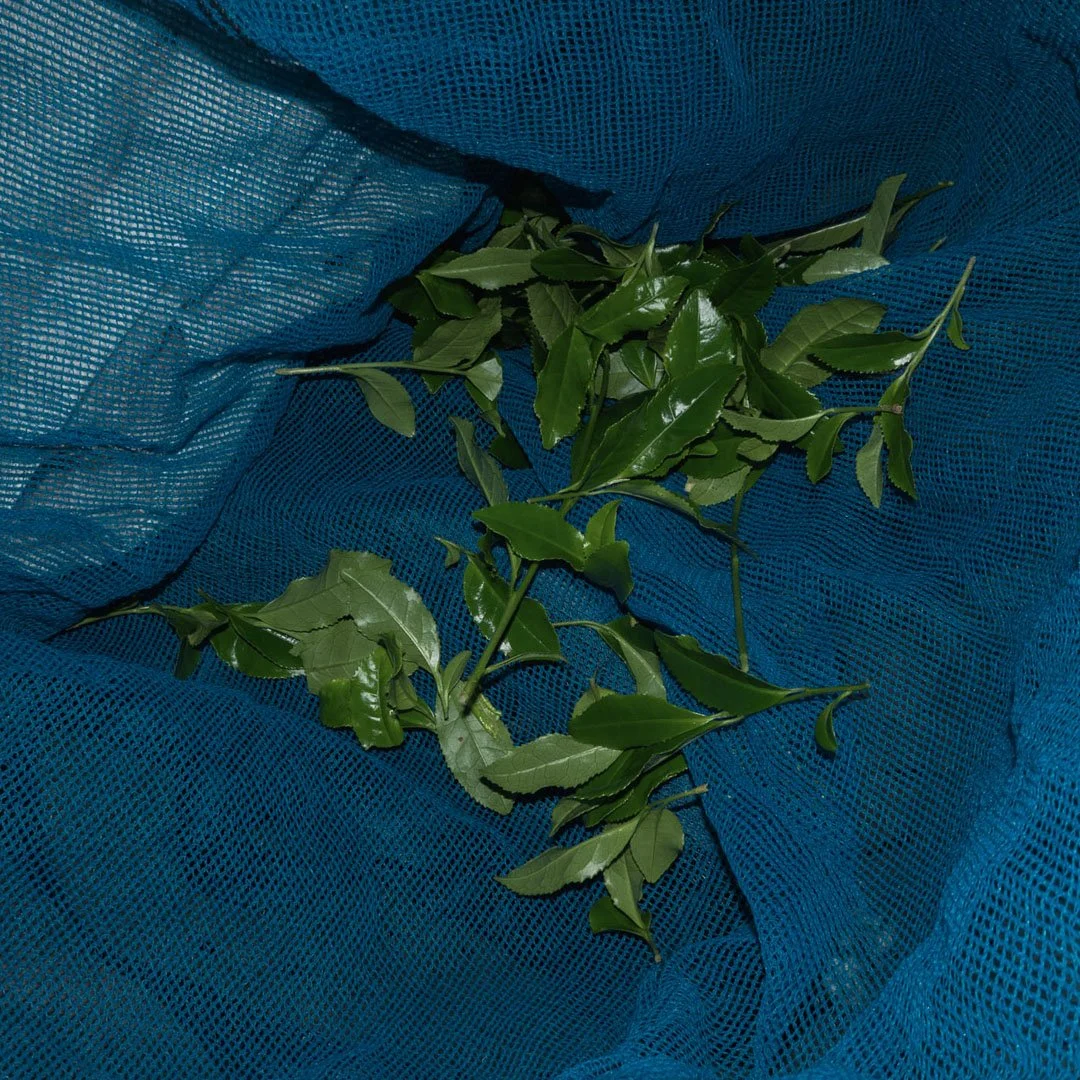
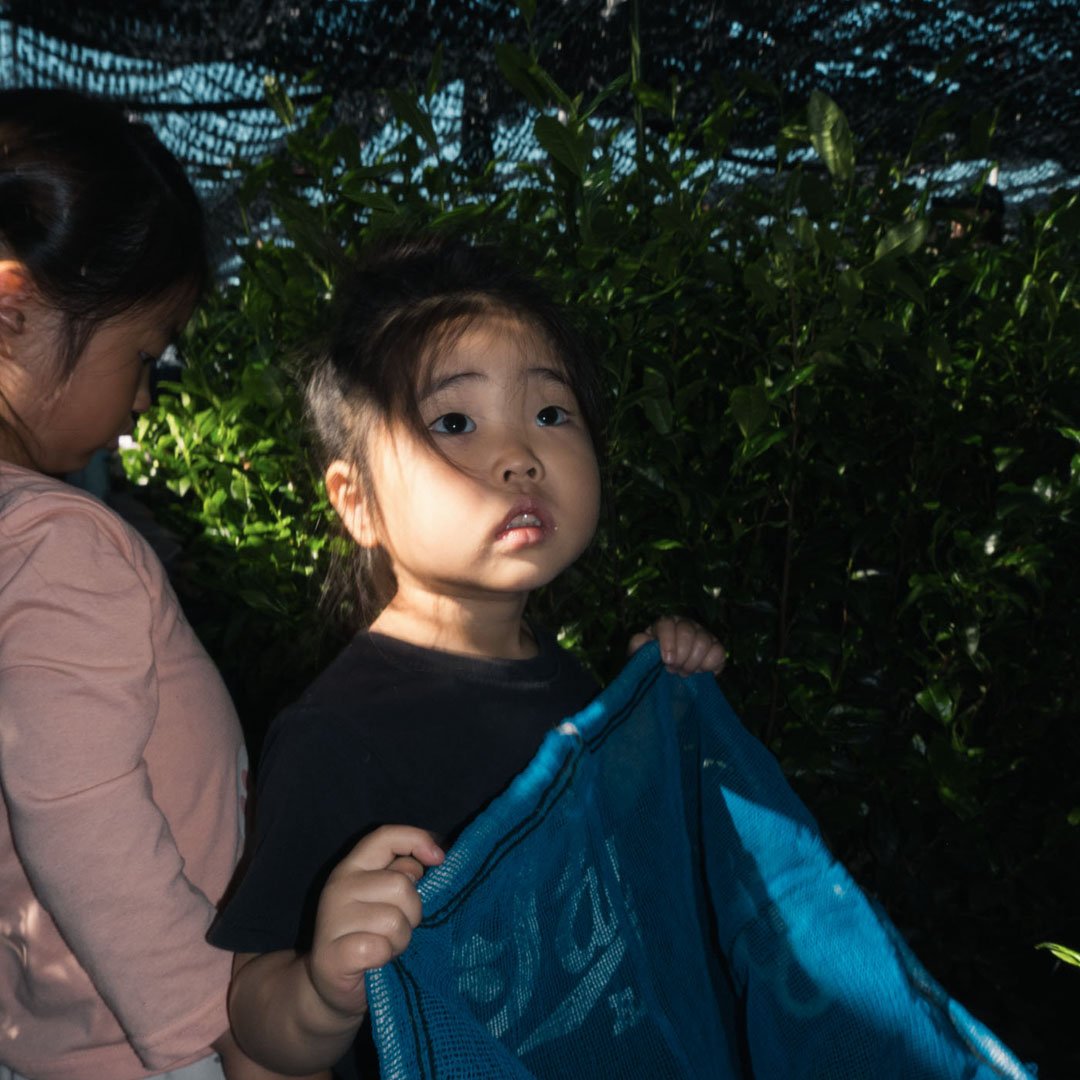
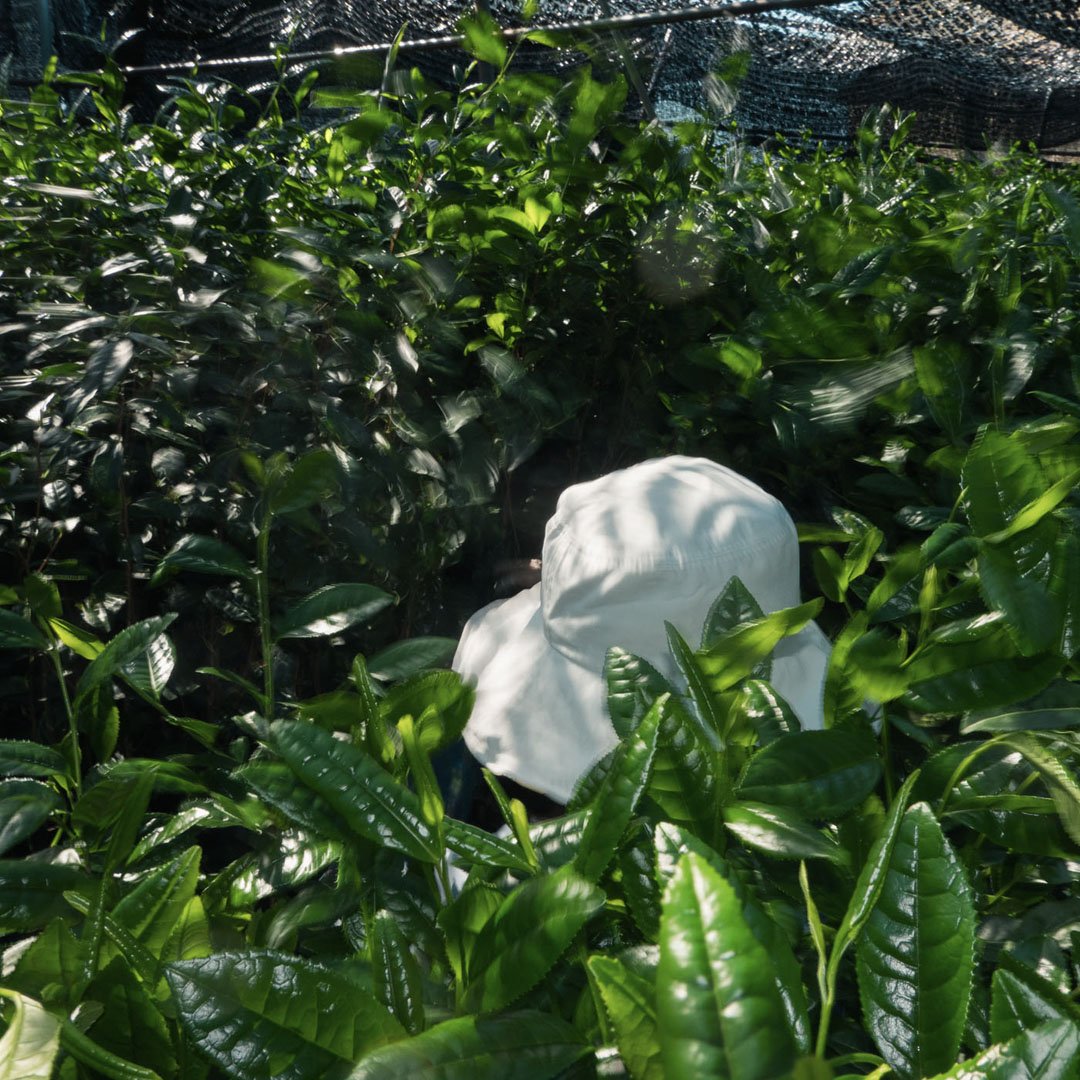
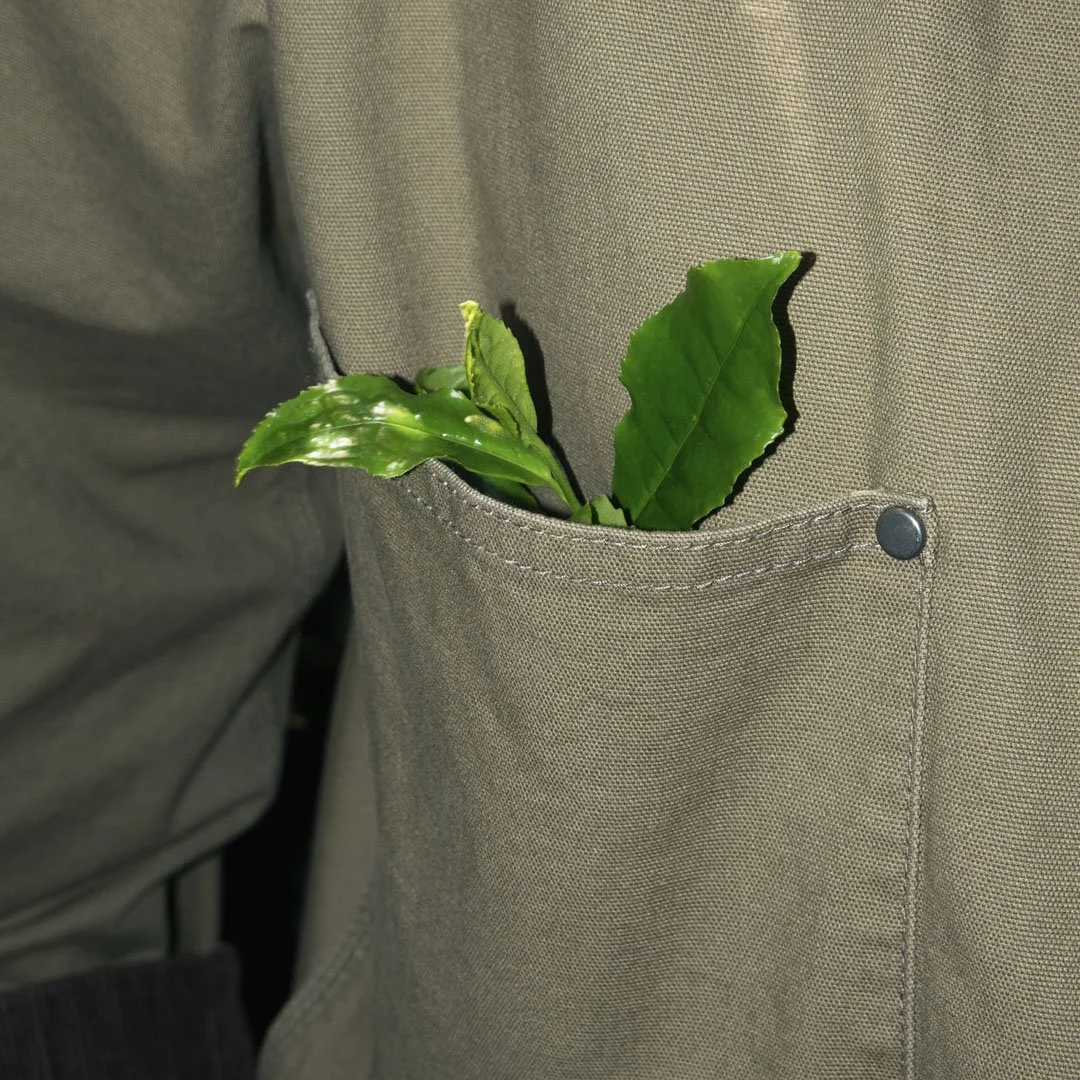

Producer
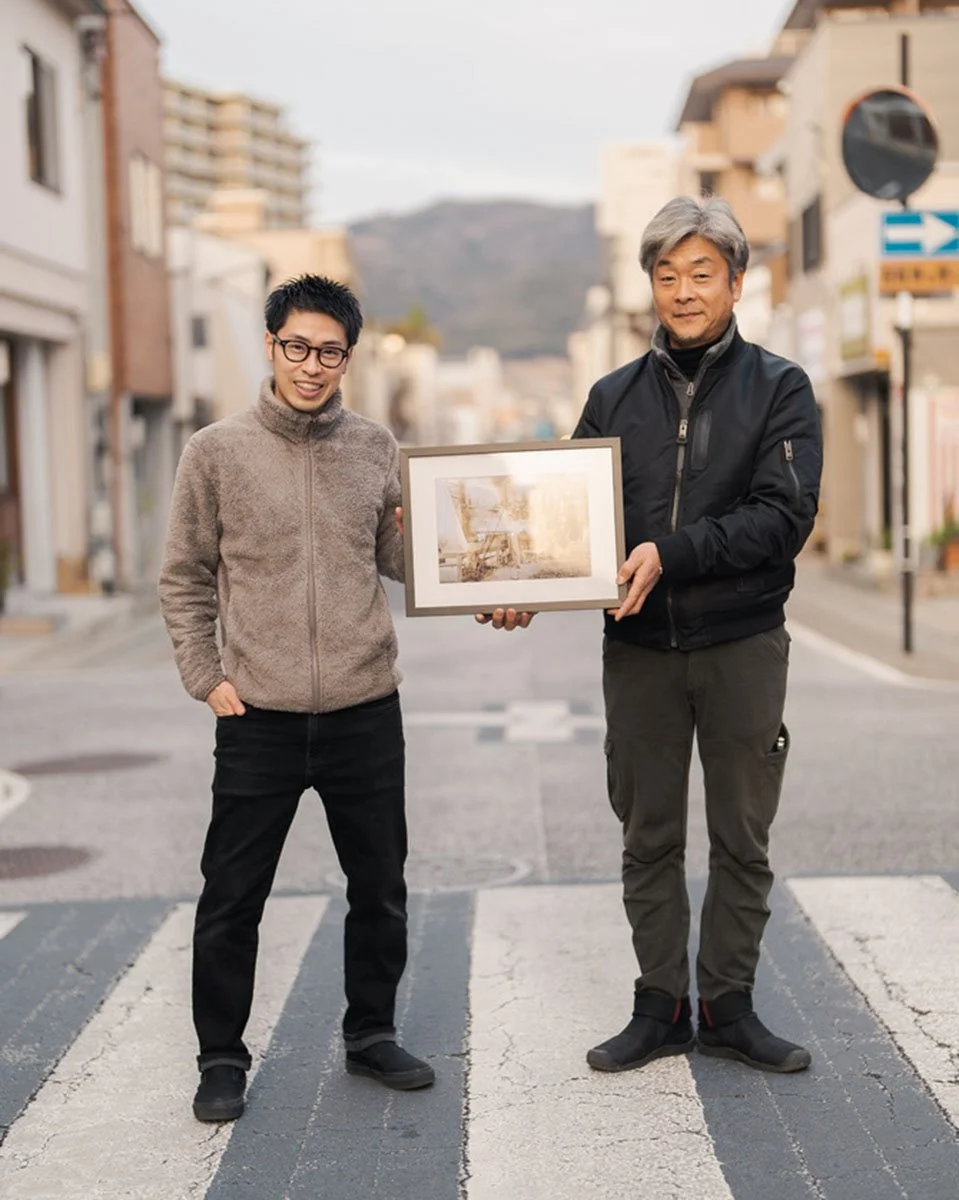
Shimizuさん
9th-generation Uji farmer, and one of his 10th-generation sons holding a framed photo of the late 8th generation.
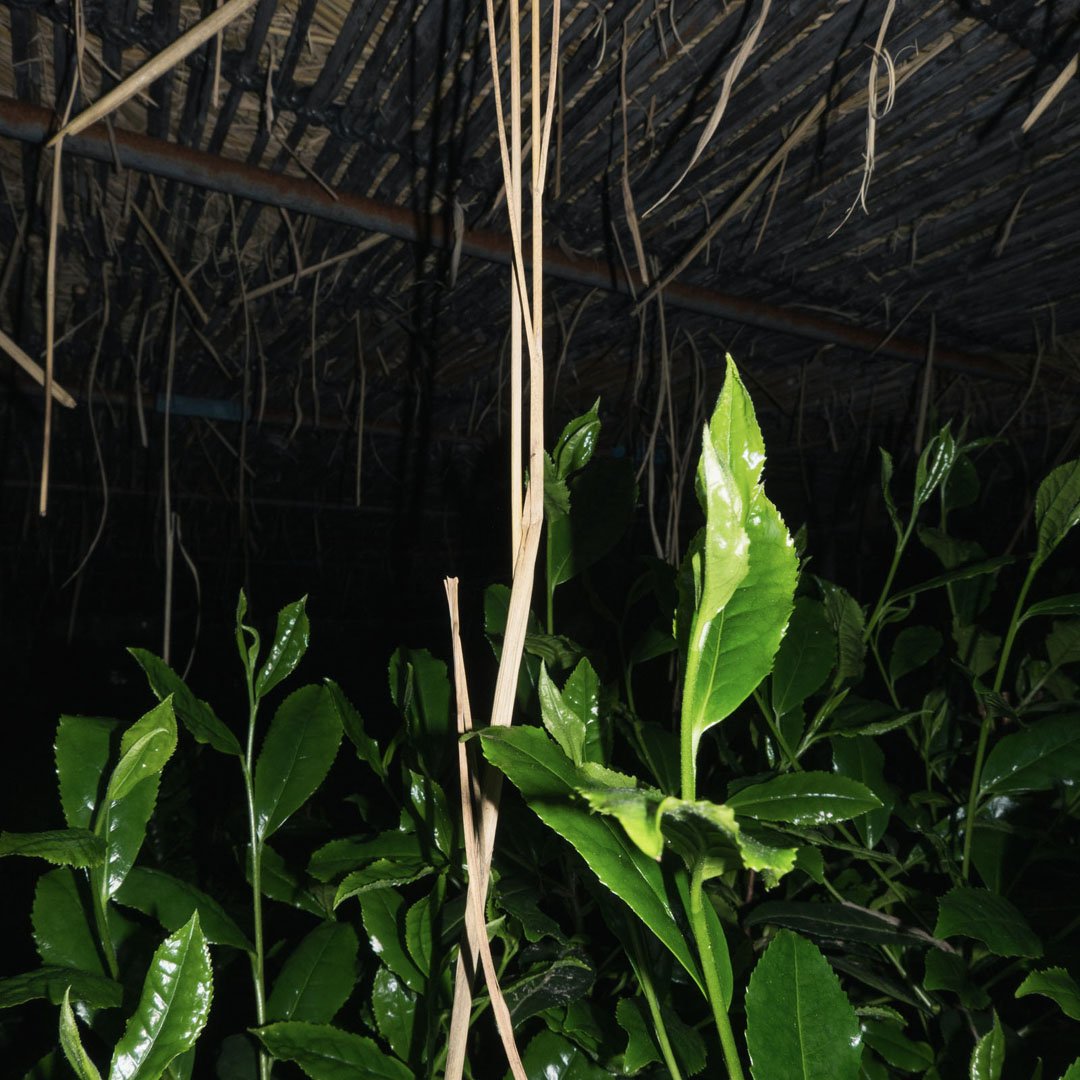
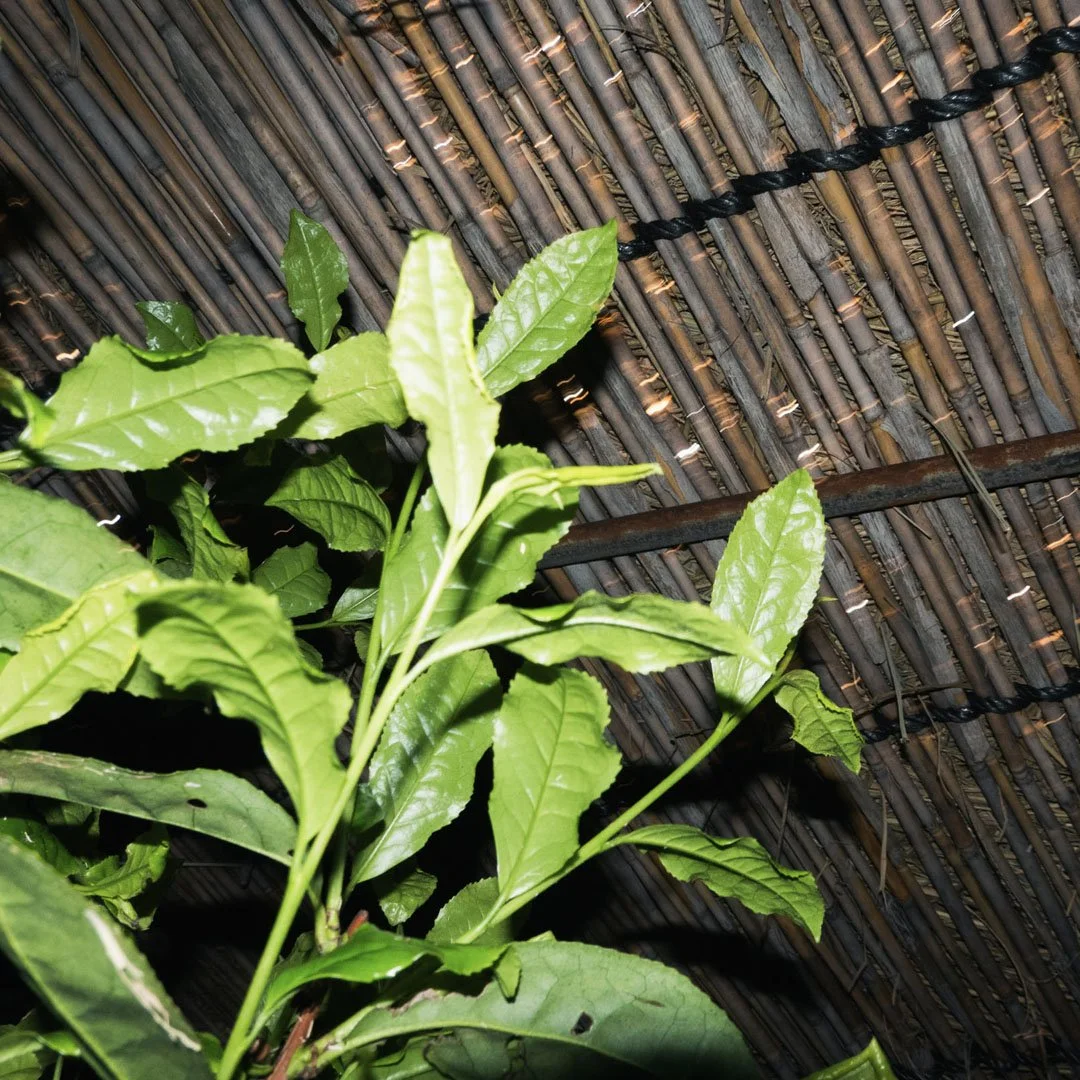
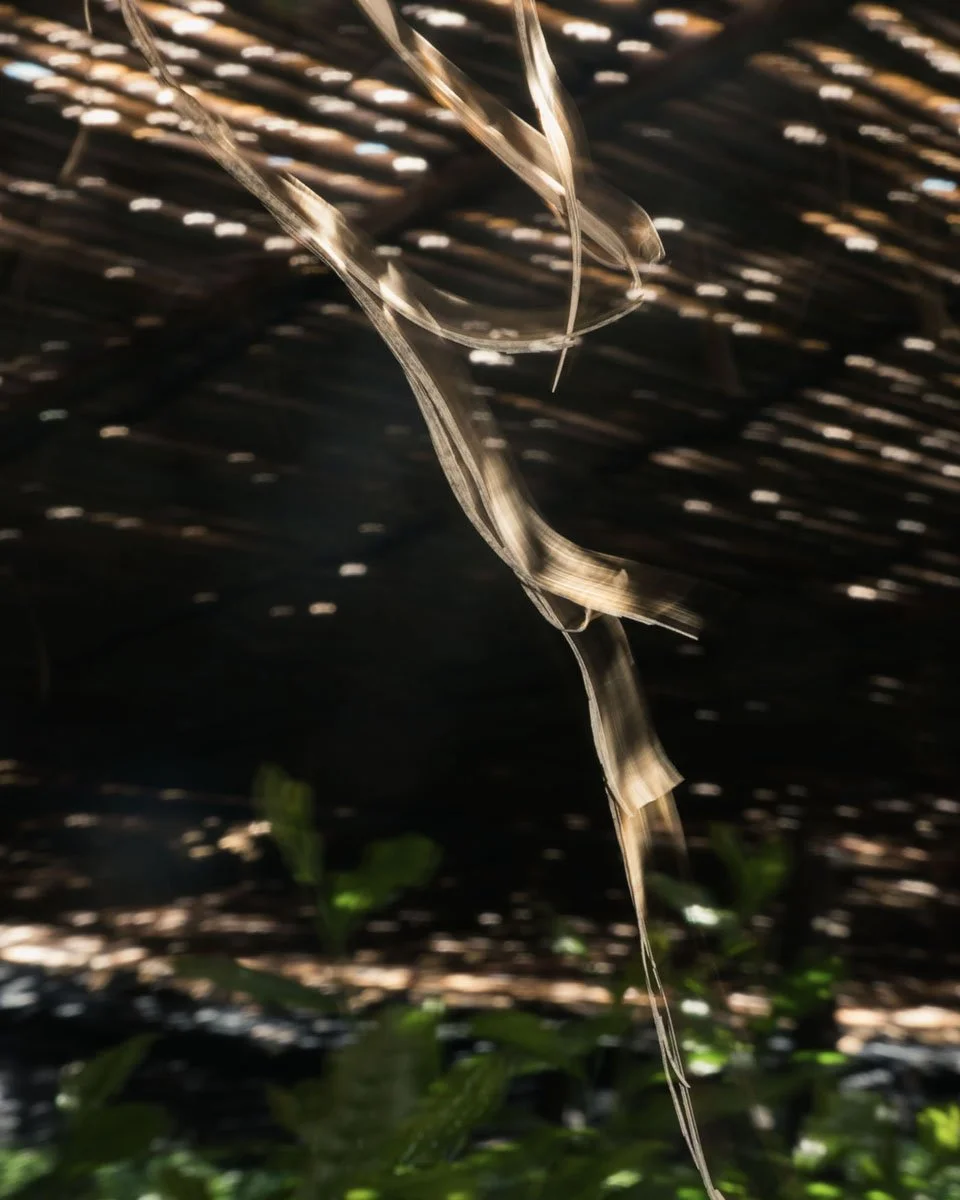
Shimizuさん and his two sons have been helping preserve Uji tea culture, where they maintain multiple fields across the township. The family participates in traditional cultivation techniques such as hand-picking and rice-straw shading.
These techniques are becoming increasingly rare. Ooika is thrilled to continue supporting this family, and Uji as a whole, by milling their single-origin Matcha fresh in the United States.
Distinctions
Awards
2021 - 73rd Kansai Tea Competition First Place
2017 - 70th Kansai Tea Competition First Place
2002 - 1st place at the 55th Kansai Tea Competition
2001 - 54th Kansai Tea Competition First Place
1998 - 51st Kansai Tea Competition First Place
1998 - 52nd National Tea Fair First Prize
1997 - 51st National Tea Fair First Prize
1989 - 42nd Kansai Tea Competition First Place
1988 - 42nd National Tea Fair First Prize
1986 - 40th National Tea Competition 1st Prize
1986 - 39th Kansai Tea Competition First Place
1985 - 38th Kansai Tea Competition First Place
Cultivar
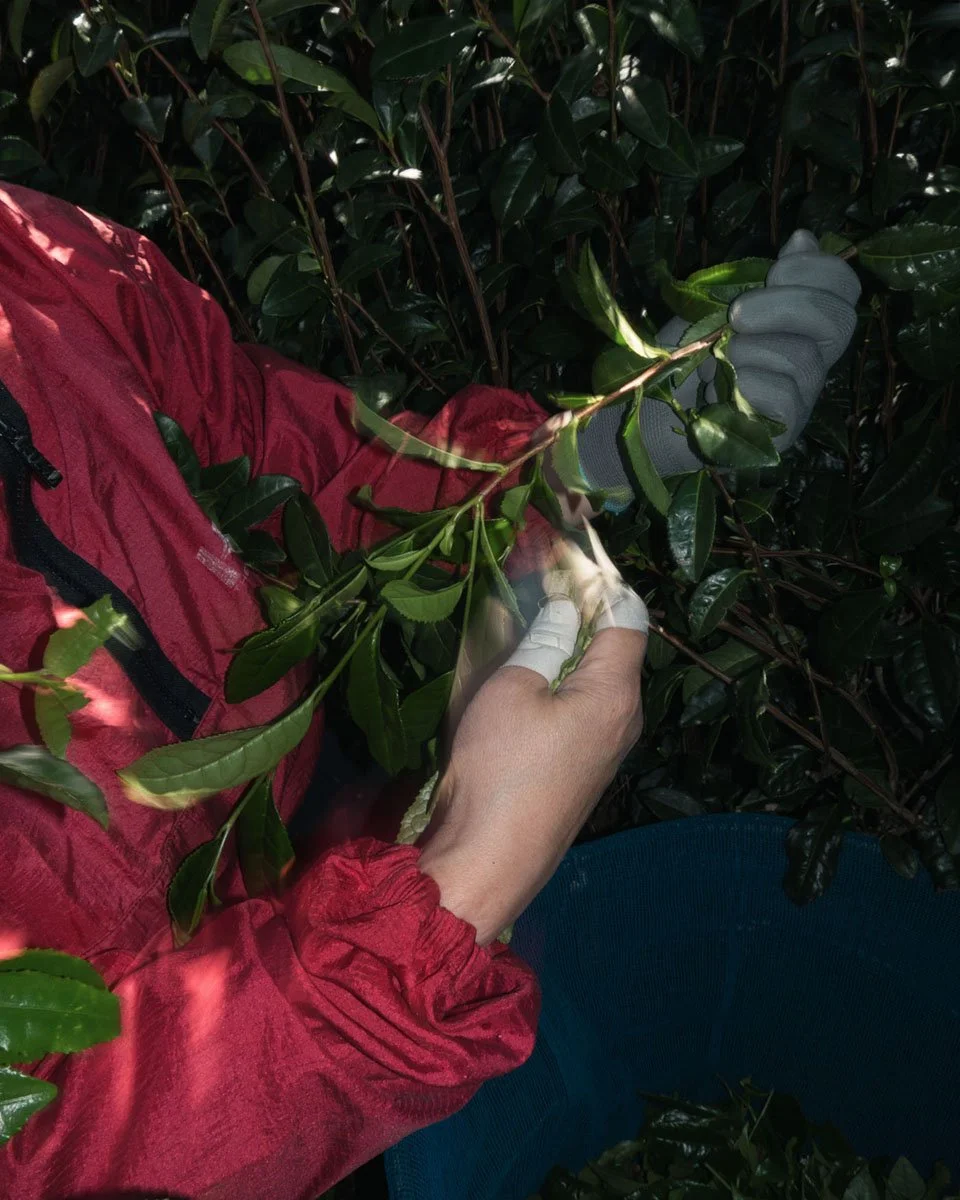
Saemidori (さえみどり)
Saemidori is a highly versatile cultivar with early growth and high umami characteristics. However, it is susceptible to cold weather, making it a popular choice in more southern regions of Japan or terroirs that, with their geographic or microclimate, don’t experience frost.
Luckily, shading techniques for Tencha originated as a frost prevention technique, perfect for growing Saemidori while protecting it. It is a relatively new cultivar, registered in 1990, and it has captivated the hearts of many farmers since then. That is due to its versatility, high price in the tea auctions, and its easily recognized strong umami flavor with an excellent, bright green color.
At peak harvesting season, its leaves have a rubbery, soft texture to the touch, bursting with humidity and pliable. Hand-picked Saemidori creates an experience in a class of its own, rivaling other high-end Tencha cultivars.
TERRIOR

Kageyama, Uji, Kyoto, Japan
The rich tea tradition of Kyoto Prefecture has its roots in the Kamakura period, with origins that extend even further back in history. Since then, the prefecture has embraced and woven tea into its core identity, spreading its cultivation to many areas. Over the centuries, tea has lived in zen monasteries and ritual offerings to tea guessing games known as Tocha 闘茶 and crystallizing in the now-known Japanese tea ceremony for both Matcha and Sencha, whose production happened in Uji, south of the at-the-time capital of Japan, Kyoto.
The fame of Uji tea spread out from the Muromachi period, with its many cultural developments, which set the framework of what would become the foundations of the Japanese tea ceremony. Uji City is located in the southern part of Kyoto Prefecture, in the Yamashiro region, an area known for its temperature swings between day and night. This temperature gradient is in part responsible for the aroma development of the tea plant, with other famous tea-producing regions sharing traits with those of some of Uji's terroirs.
Kageyama, part of Uji City, is located east of Ogura, which was home until the 1930s to the largest freshwater body of the prefecture. Kageyama, just in between the Ogura Lake and the Uji River, benefited from the aforementioned temperature swings, with beneficial mists originating from those water bodies, which also play a key role as temperature regulators and keeping frost at bay in many cases. The ever-shining available land in Uji makes tea cultivation in Kageyama extremely rare. Shimizu-san, with its fields at the heart of Kageyama, keeps the traditional rice straw cultivation alive just next door to much of the infrastructure of Uji City. A unique terroir still connects to tradition and the taste of the once-sprawling tea cultivation in the area.