 Image 1 of 2
 Image 2 of 2
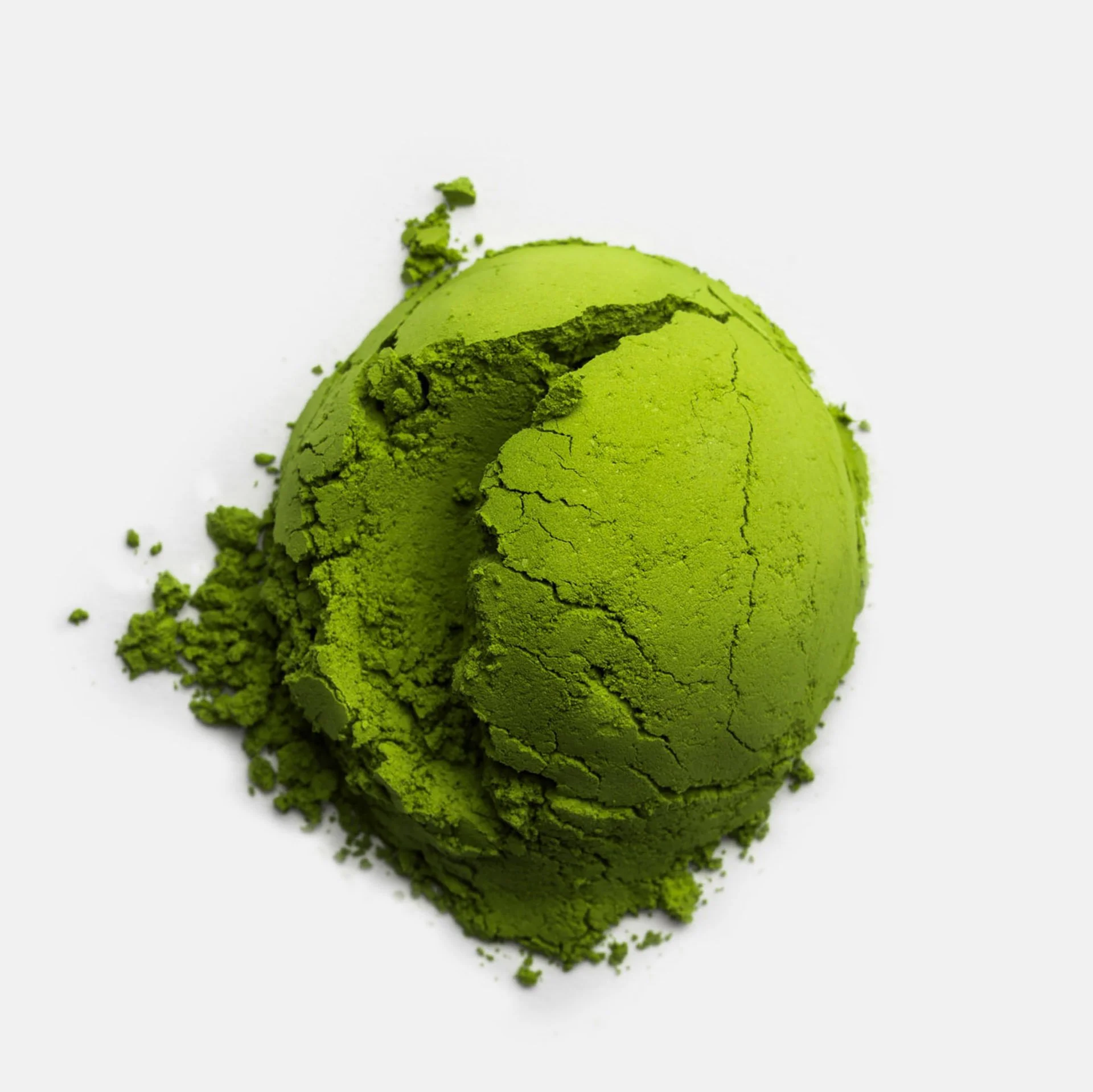
About this Matcha
The tea bushes are naturally shaded by a canopy of Chestnut trees above the Kanreisha (寒冷紗). These nuts fall into the field, where they become part of the soil. Not all, as the Kumaさん family collects them, making Chestnut treats, which were shared with me on my visit. What an experience!
-
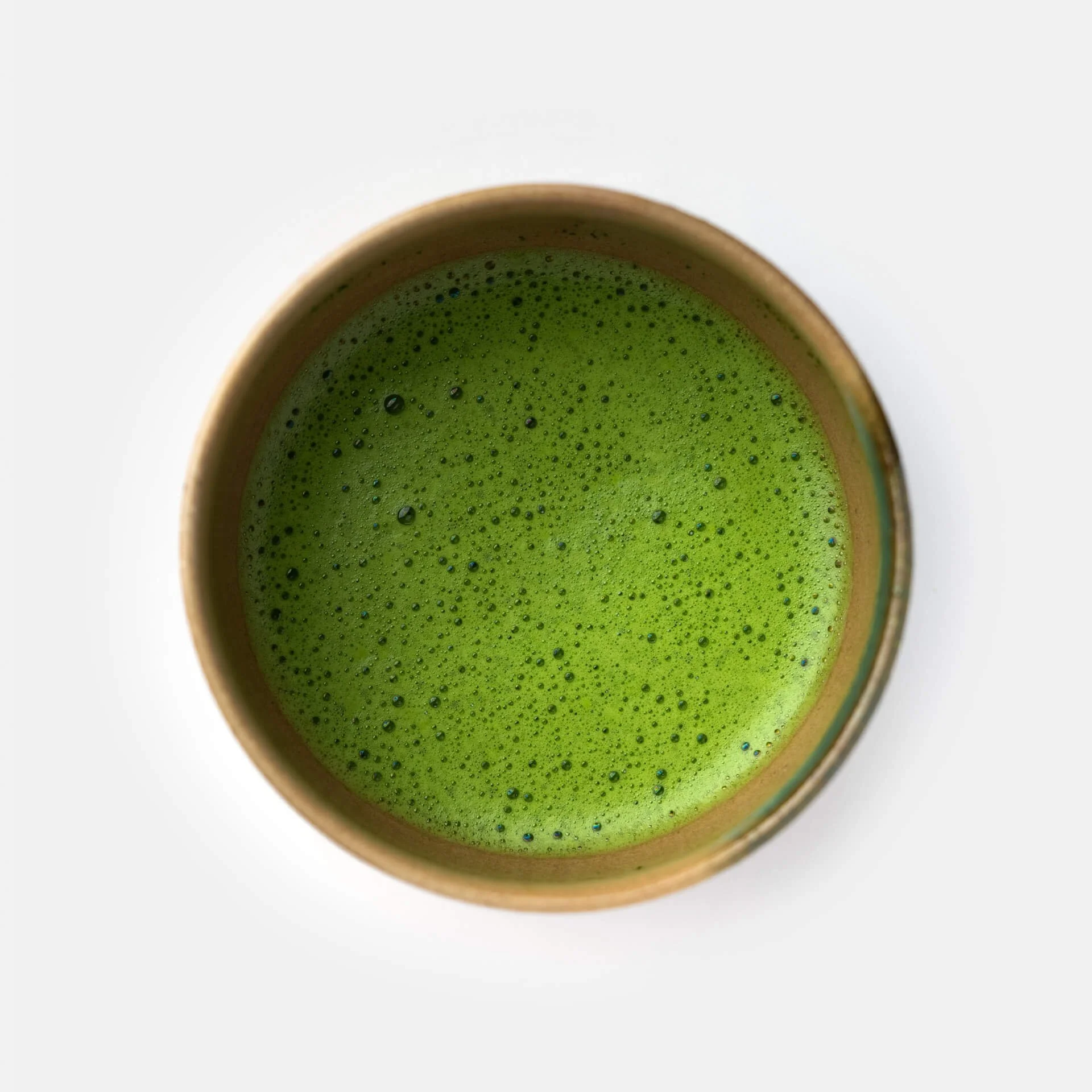
To make a fresh and smooth bowl of Usucha or Koicha, follow our whisking instructions.
-
Long-term Storage: Store unopened Ooika Matcha in the refrigerator. Consume within 6 months.
Room-Temp Short-term Storage: Store opened Ooika Matcha in a cool, dark place away from sunlight. Consume within 3 months.
Refrigerator Short-term Storage: Opened Matcha can be stored in the refrigerator to help maintain freshness, however, the Matcha is at risk of condensation when cooler than ambient air. For this reason, if you choose to store an opened Matcha in the refrigerator, be sure to take the Matcha you need and then immediately place it back in the refrigerator to minimize exposure to the warm air.
Ochairinikki (御茶入日記)

Category Green tea (お茶) |

Subcategory Oishitacha (おおいしたちゃ) |

Cultivar Okumidori (おくみどり) |

Producer Kumaさん |

Terroir Joyomachi, Yame, Fukuoka, Japan |

Vintage 2025 |

Harvest Time Single Spring Harvest (一番茶) |
Harvest Method Senteiki (剪定機) |

Shading Style Kanreisha (寒冷紗) |

Shading Duration 30 days |

Milling Ishi-Usu (石臼) Stone-Milled by Ooika |

Packaging Cold-stored, oxygen-free bag |
Visit the Farm
OOIKA MATCHA leads the industry with the most precise souring details and transparency. Let’s visit Kumaさん’s farm and see where this Matcha comes from.
Awards
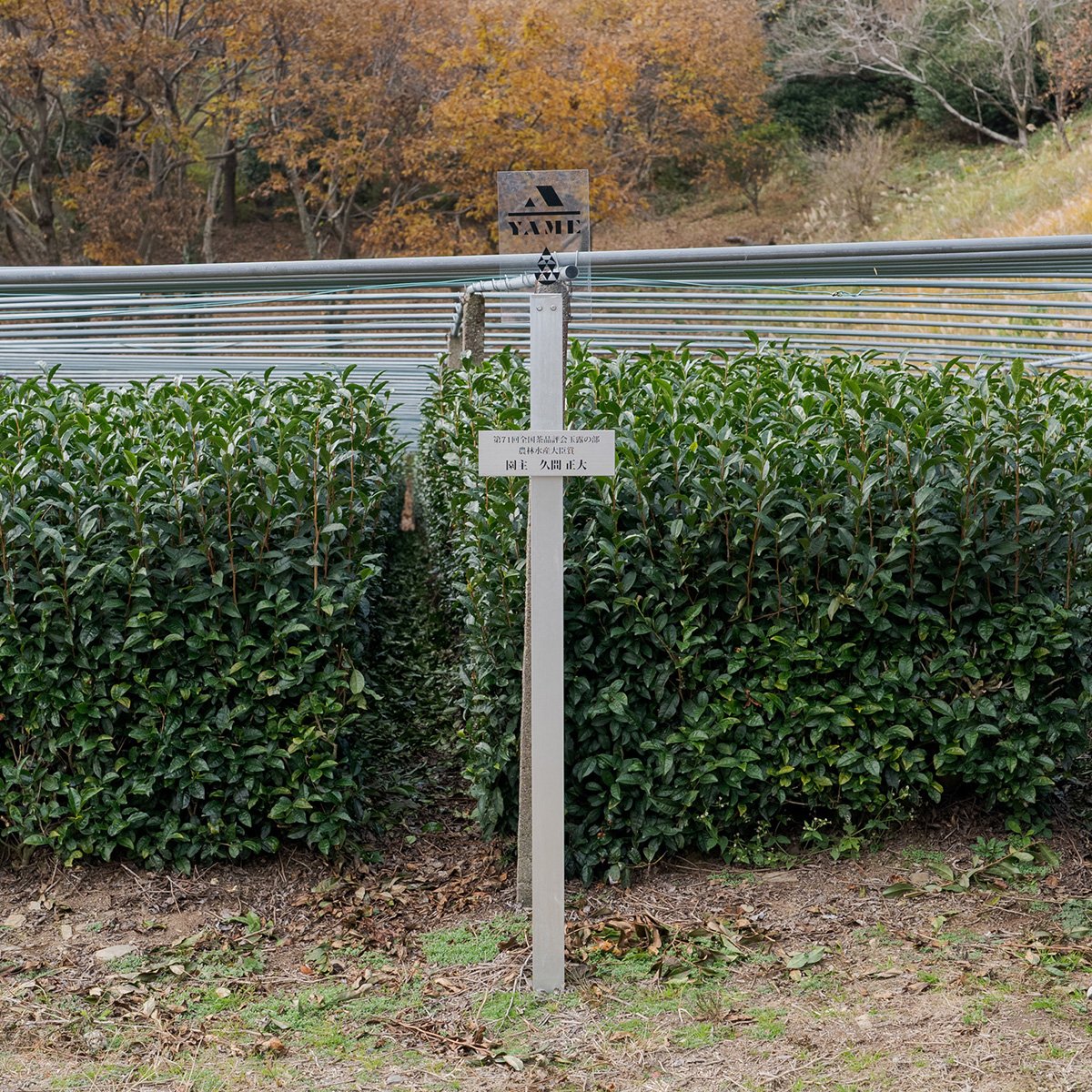
2017 - First-place award in Japan’s National Tea Competition in the Gyokuro category
Sourcing Details
Producer Details

Kumaさん
Joyomachi gained substantial awareness following Kumaさん receiving the highly prestigious first-place award in Japan’s National Tea Competition in the Gyokuro category in 2017.
While Yame is in general a newer tea-growing region when compared to Uji, it’s become notable for its exceptionally sweet and rich tea.
Kumaさん tends to the tea plants, while his partner Nakataniさん oversees day-to-day operations.
The farm is located 350 meters above sea level and originally did not have enough water supply, so a man-made lake was created at Joyomachi.
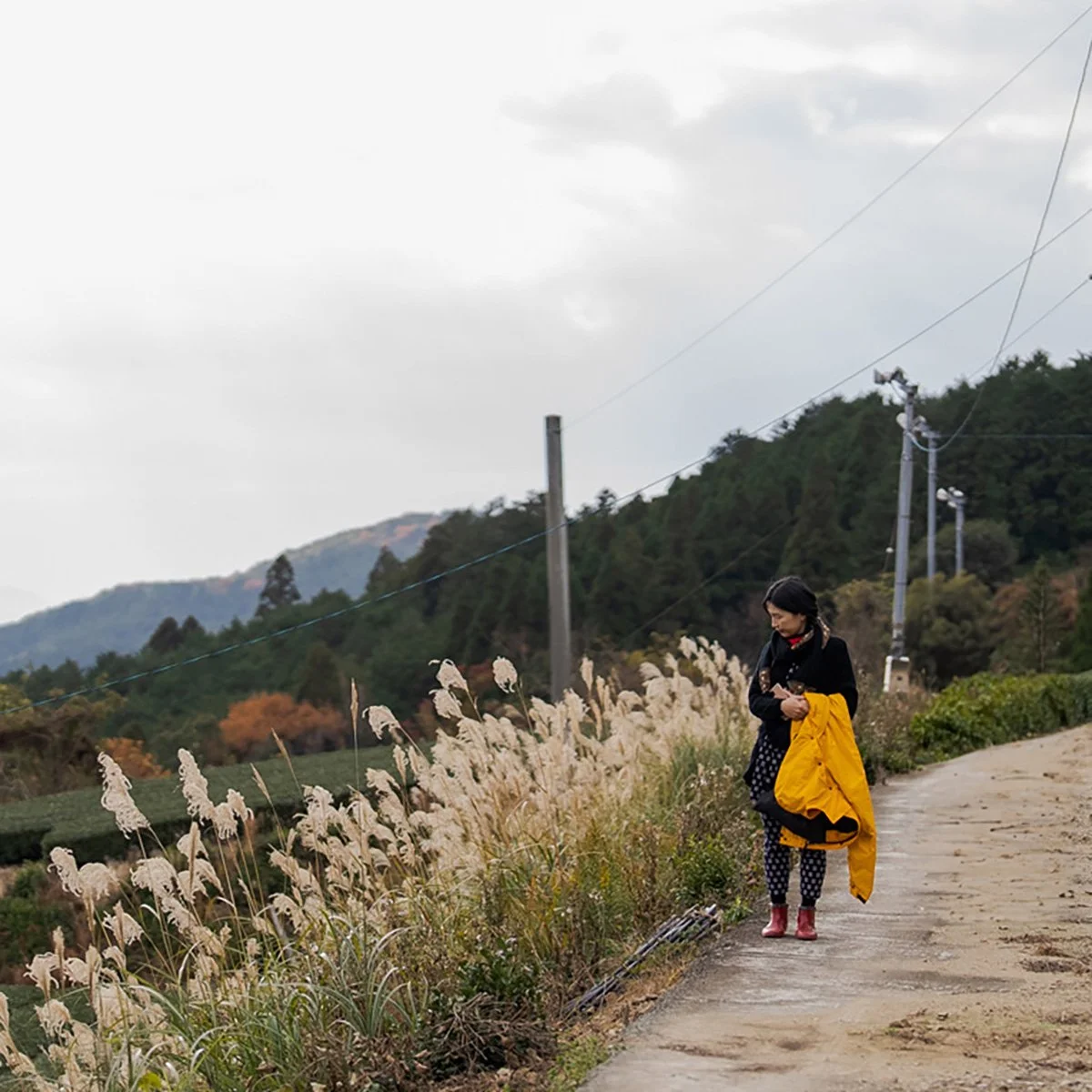
Nakataniさん
The 4th generation granddaughter to a tea farmer, Nakataniさん helps oversee the day-to-day direction of this legendary Yame farm.
Before the recent Red Tea Renaissance (known as Koucha) in Japan, the duo started producing red tea about 16 years ago.
At at time, red tea in Japan was not popular, and would complain that the prices for red tea were too high. Today, people remark how affordable it is!
This is evidence of how much the market has changed.
Region Details
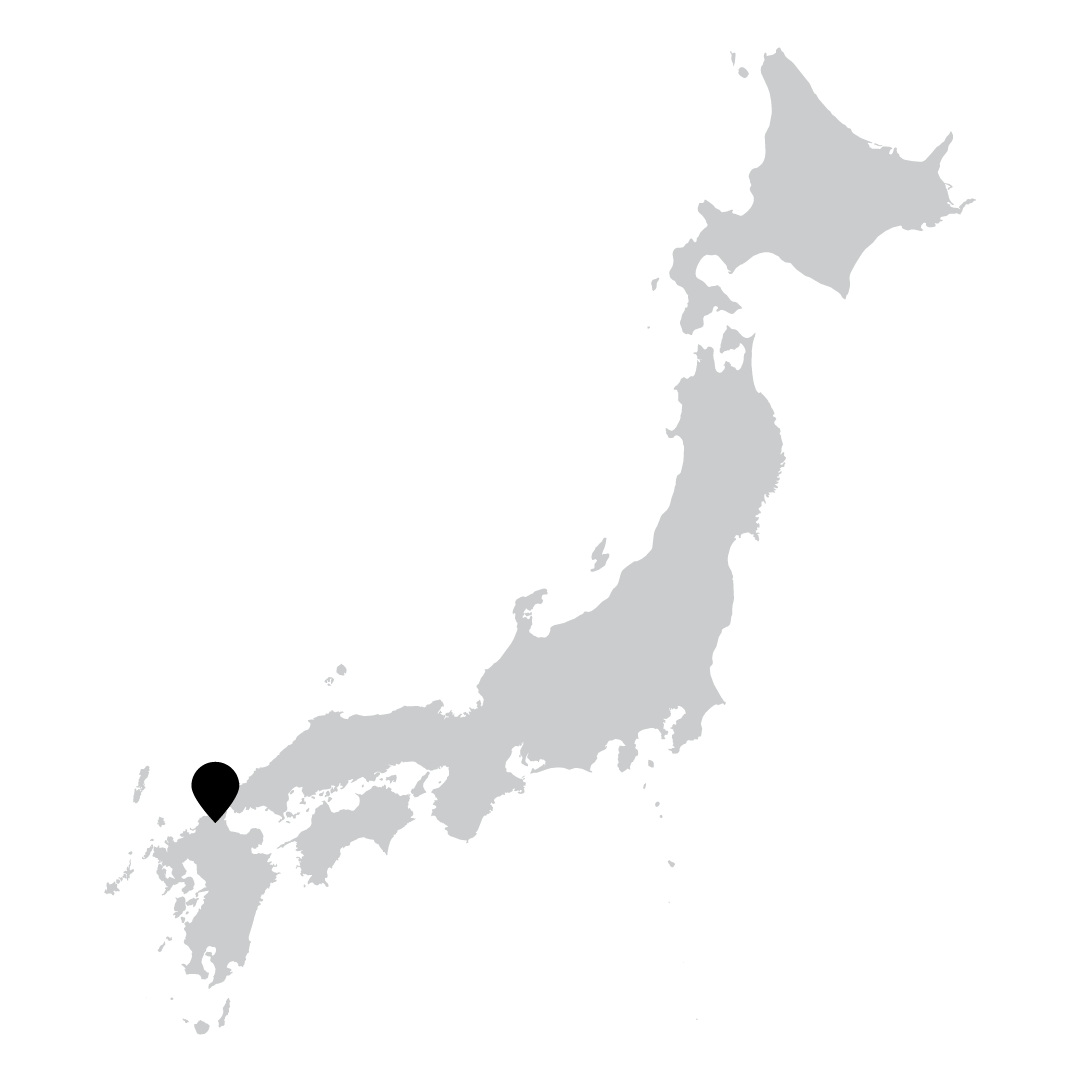
Joyomachi, Yame, Fukuoka, Japan
Crisp, clean air, surrounded by natural foliage and botanicals. A hill overlooks the field, dropping chestnuts that are picked up by the family of the farmers and turned into delectable sweets.
Few places in Japan capture the natural beauty of Joyomachi.