 Image 1 of 3
 Image 2 of 3
 Image 3 of 3
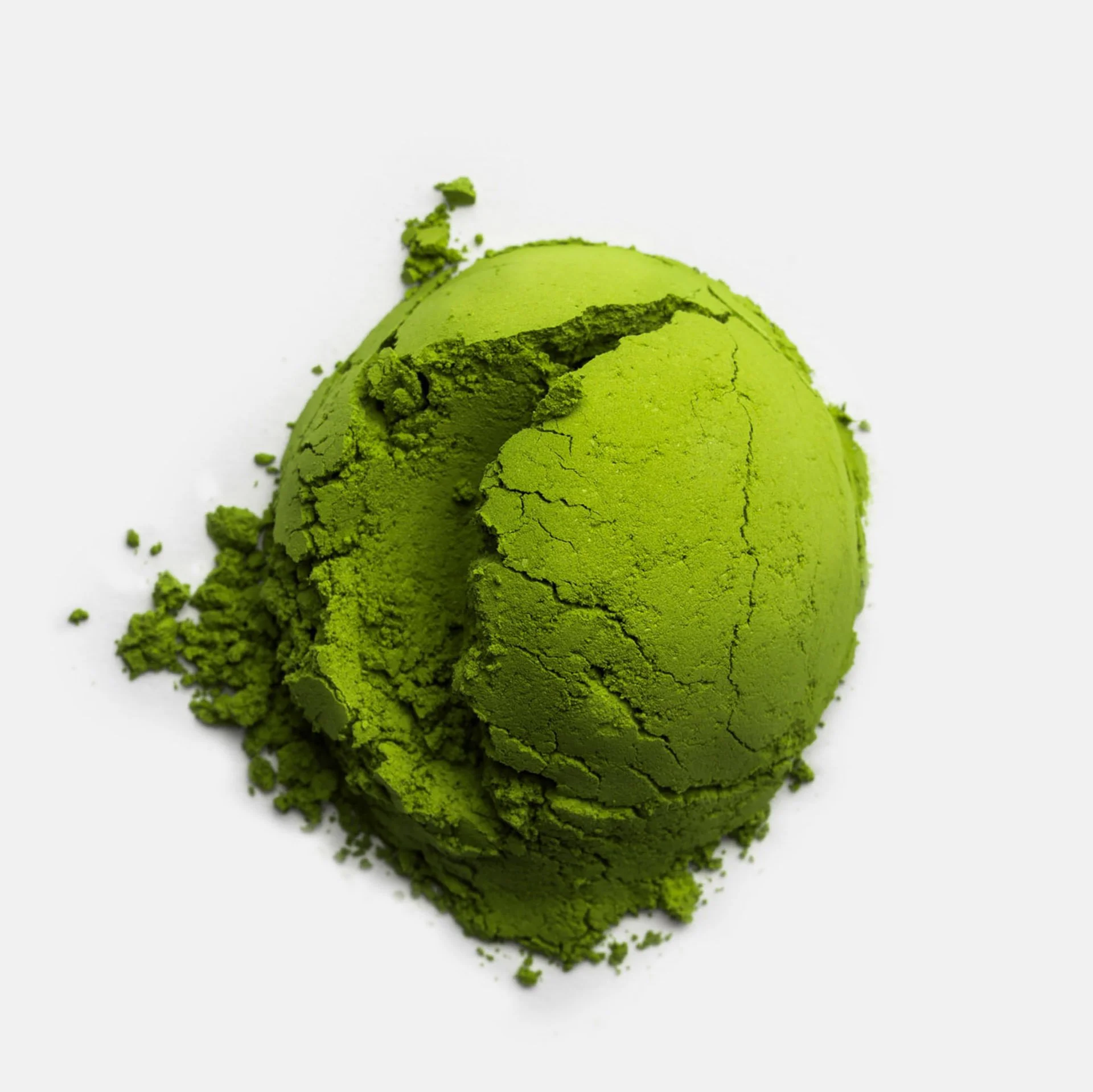
In celebration of the upcoming Year of the Horse, Ooika is honored to present one of the most luxurious Matcha ever produced.
This Matcha is made from the Ujihikari cultivar, cultivated by the legendary Tsujiさん in Shirakawa, Uji, Kyoto—a region synonymous with Japan’s highest expressions of Matcha.
For this release, the Tencha (unground Matcha) undergoes the painstaking process of hand-sorting every individual leaf using chopsticks. This meticulous method produces Hinpyōkai ひんぴょうかい, or competition-grade, material—a level of refinement typically reserved for submissions to Japan’s Annual National Tea Competition (全国茶品評会). The process alone can take days to weeks to complete.
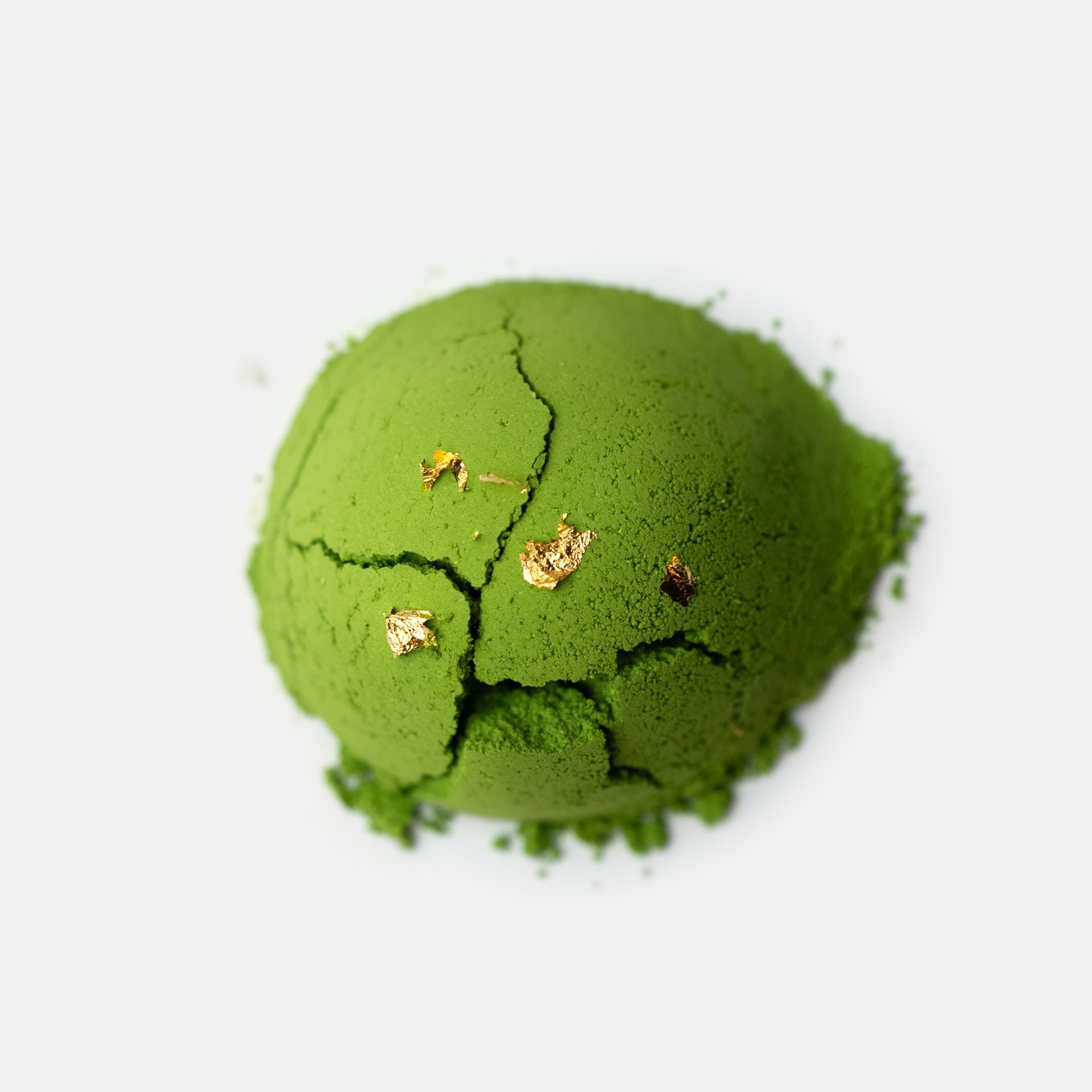
In keeping with a Japanese New Year tradition, this Matcha is delicately blended with 24K gold leaf (Kinpaku). When whisked, luminous gold flakes disperse across the surface of the tea, creating a moment of visual exuberance worthy of the occasion.
As a final expression of craftsmanship, the Matcha is ground fresh in-house by Ooika using authentic Japanese stone mills. Without hesitation or exaggeration, this is Matcha at its highest level—an experience meant to be encountered perhaps once a year, or even once in a lifetime.
-
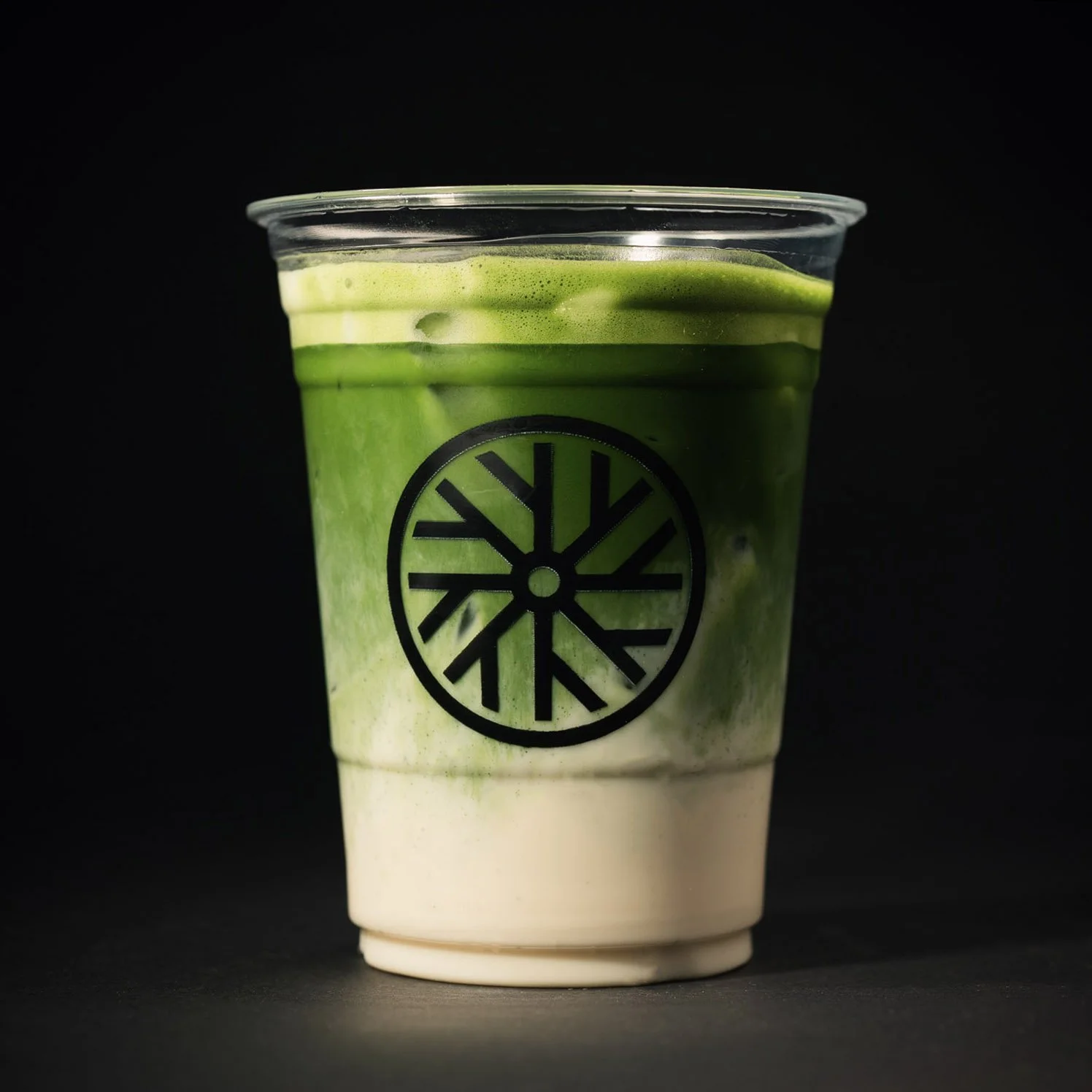
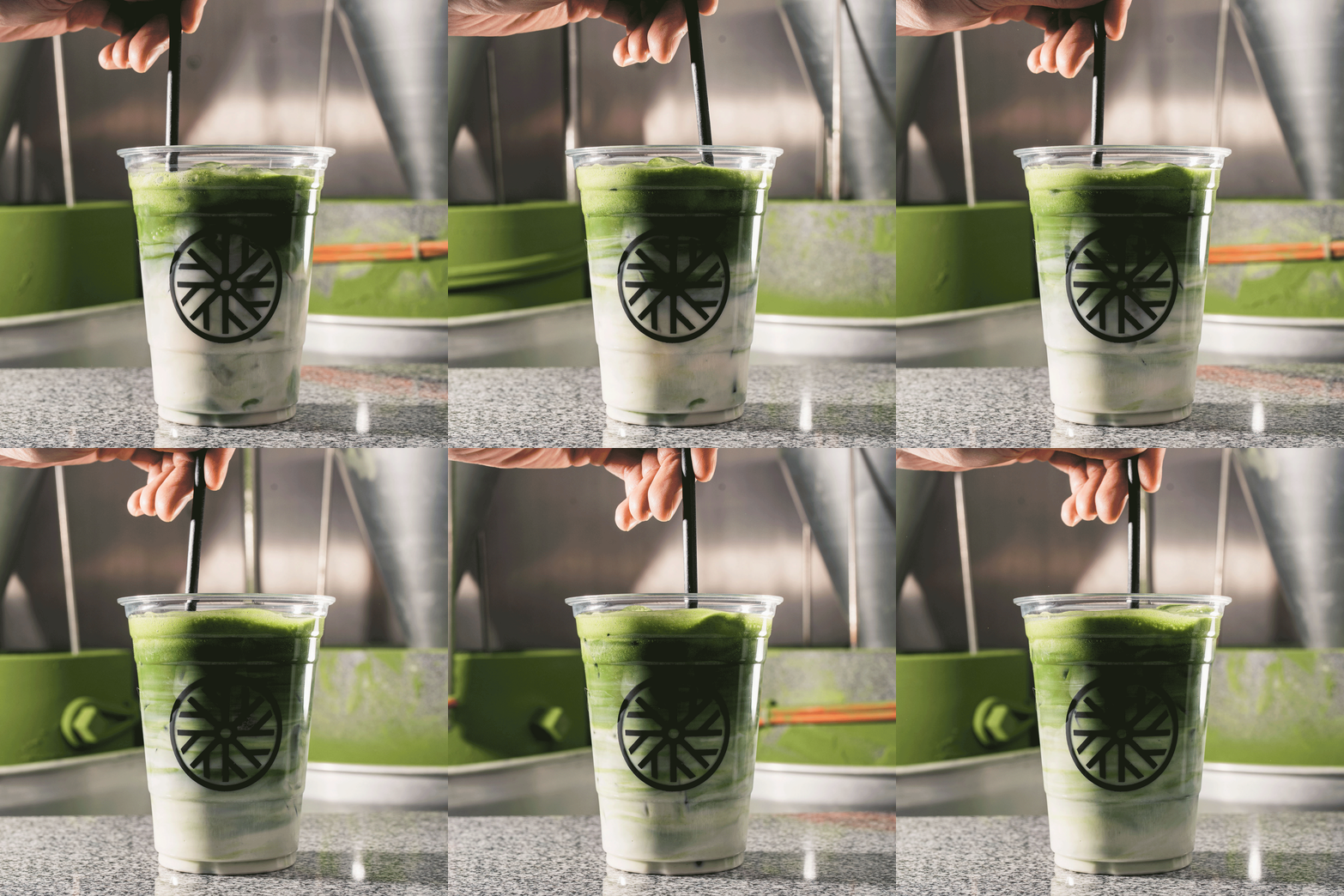
To make a fresh and smooth bowl of Usucha or Koicha, follow our whisking instructions.
-
Long-term Storage: Store unopened Ooika Matcha in the refrigerator. Consume within 6 months.
Room-Temp Short-term Storage: Store opened Ooika Matcha in a cool, dark place away from sunlight. Consume within 3 months.
Refrigerator Short-term Storage: Opened Matcha can be stored in the refrigerator to help maintain freshness, however, the Matcha is at risk of condensation when cooler than ambient air. For this reason, if you choose to store an opened Matcha in the refrigerator, be sure to take the Matcha you need and then immediately place it back in the refrigerator to minimize exposure to the warm air.
Ochairinikki (御茶入日記)

Category Green tea (お茶) |

Subcategory Oishitacha (おおいしたちゃ) |

Cultivar Ujihikari (うじひかり) |

Producer Tsujiさん |

Terroir Shirakawa, Uji, Kyoto, Japan |

Vintage 2023 |

Harvest Time Single Spring Harvest (一番茶) |
Harvest Method 100% Handpicked (手摘み, Tezumi) |

Shading Style Kanreisha (寒冷紗) |

Shading Duration 58 days |

Milling Ishi-Usu (石臼) Stone-Milled by Ooika |

Packaging Cold-stored, oxygen-free bag |
Visit the Farm
OOIKA MATCHA leads the industry with the most precise souring details and transparency. Let’s visit Tsujiさん’s farm and see where this Matcha comes from.
Awards

Tsujiさん had won Minister of Agriculture, Forestry and Fisheries award for tencha as many as 6 times. He won 56th Prime Minister Award which is one of Emperor's three awards and awarded at Agriculture, Forestry, and Fisheries Festival. Below is a selected, and non-exhaustive list.
Prime Minister Award, Japanese Emperor Award, at Agriculture, Forestry, and Fisheries Festival.
Minister of Agriculture, Forestry, and Fisheries Award
Japan Tea Central Public Interest Incorporated Association Chairman Award
National Tea Producers Association Chairman Award
National Tea Commerce and Industry Association President Award
Japanese Tea Science and Technology Chairman Award
Sourcing Details
Cultivar Details

ujihikari (うじひかり)
When shaded with Tana (a raised shelf), the small, wavy, and shiny leaves of Ujihikari exude the captivating yet intriguing sweet aromas: sometimes reminiscent of straw, seaweed, and even rice koji. This distinctive scent is known as “Ooika”, or the “Aroma of Shadows.” Ujihikari has one of the most beautiful expressions of Ooika.
This uncommon and highly sought-after cultivar was selected from a Zairai field in 1954 by the Kyoto Tea Research Institute and has been cultivated within Kyoto Prefecture ever since. Its erect shape makes it ideal for handpicking. Ujihikari produces a bright green, mild-umami Matcha, although it has a low production volume.
One of the most beautiful characteristics of Ujihikari is its bright green, small, wavy leaves. This is a challenge for tea pickers, who take great care with such small leaves when harvesting the Ujihikari glossy and soft spring leaves.
Producer Details

Tsujiさん
Tsujiさん holds multiple tea awards including the highly coveted Prime Minister’s Award for Agriculture in 2017.
Tsujiさん’s expertise has resulted in his teas having the highest level of L-Theanine among any of the producers in the country.
L-Theanine is an amino acid that contributes both to the savory taste in Matcha, as well as many of the calm-inducing psychoactive effects.
Region Details
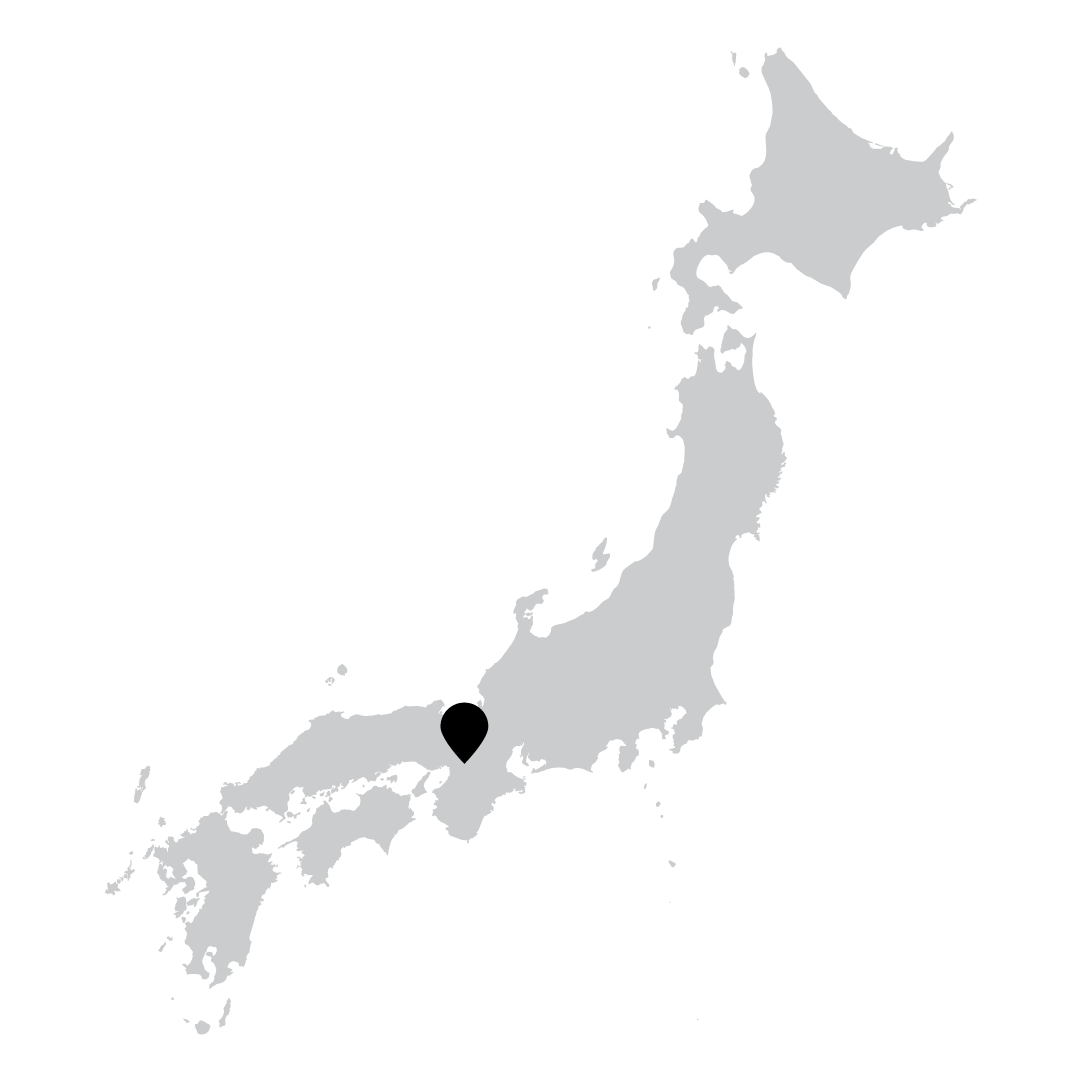
Shirakawa, uji, kyoto, japan
Uji is probably the world’s best-known terroir for Matcha. It belongs to the Yamashiro region, Kyoto Prefecture. This region lives and breathes tea; cultivation started around the 14th century, with its introduction sometime in much earlier centuries. It has seen many developments during its 800 years of tea cultivation, including the birth of techniques leading to Tencha, Sencha, and Gyokuro teas.
Shirakawa is in the southern part of Uji city proper, its slopes leading to the Uji River, which is born from the nearby Amagase Dam. Thanks to the nearby water bodies, which also regulate temperature, the area benefits from valley-ruining mists, especially in spring. Shirakawa is one of the few areas left where Uji City-grown tea is produced.
This tea is labeled as Uji no Ocha 宇治のお茶, an exceptional and increasingly rare tea. A tea related, but disconnected from the much more well-known Uji tea brand, Ujicha 宇治茶. Born from tea processed in Uji, from inside the prefecture, and elsewhere.