 Image 1 of 2
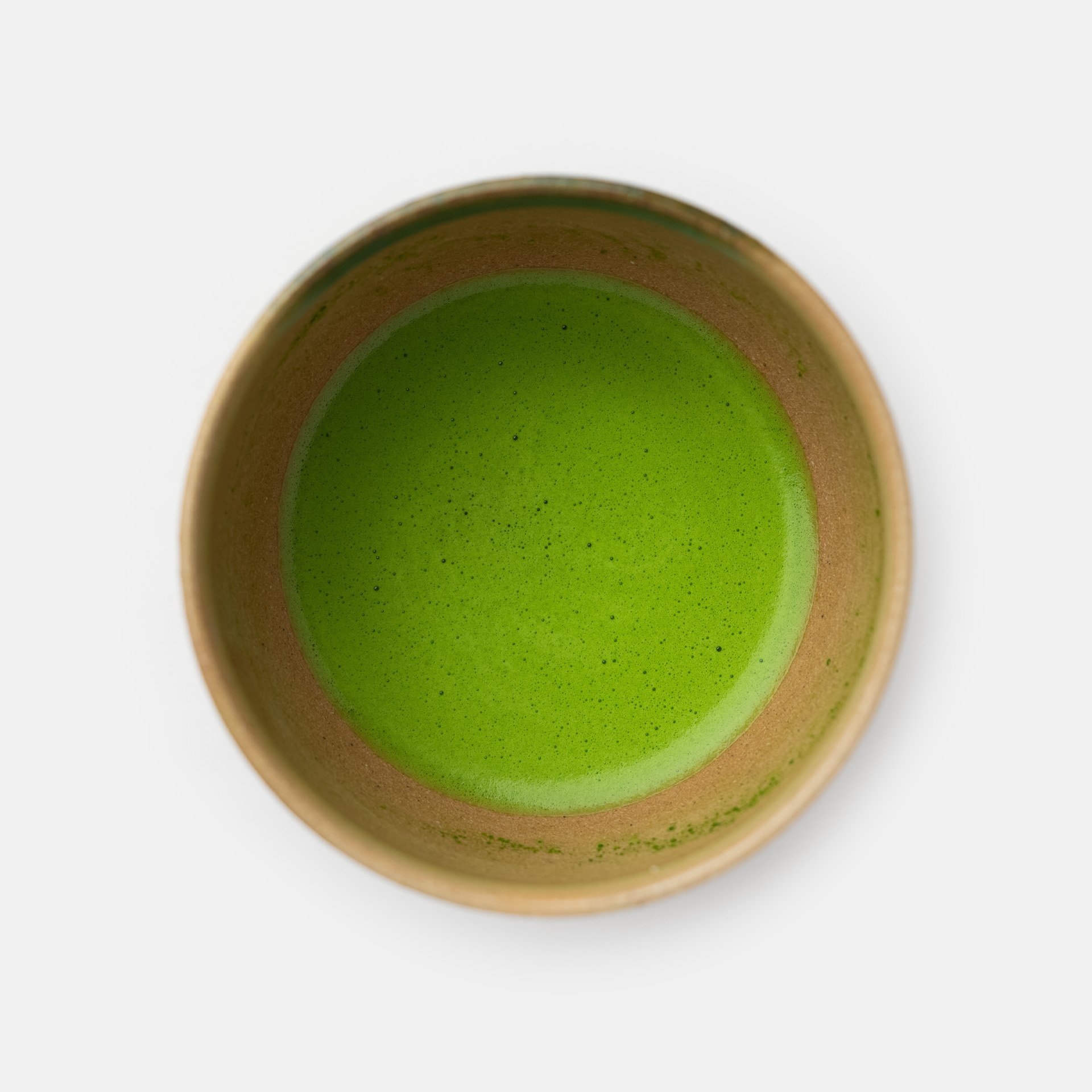 Image 2 of 2
About this Matcha
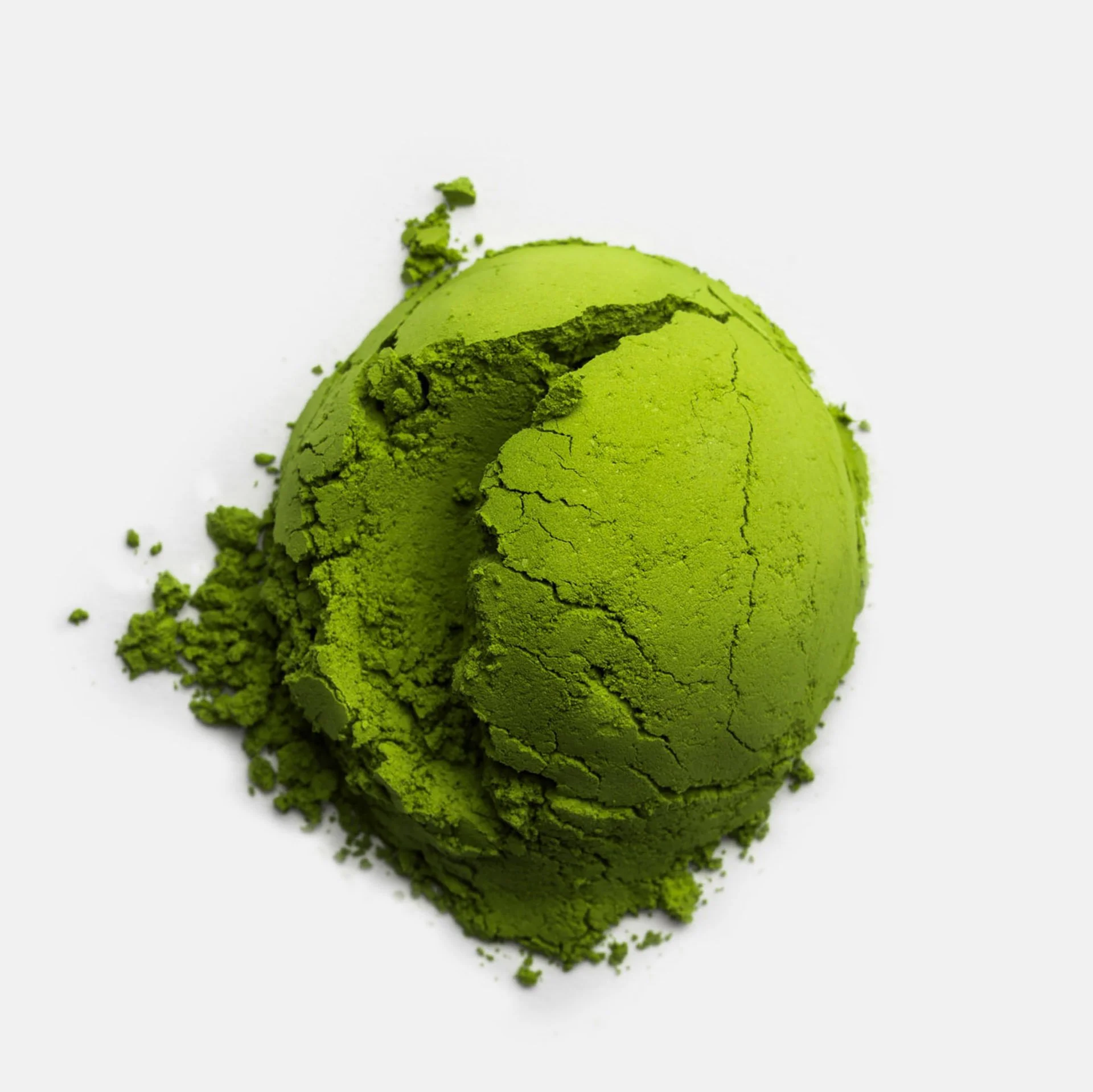
Citrusy, sweet aroma. A gentle, calming green with good saturation and lighter tone. Stunningly rich and thick nori-forward Oi. Nori, nori, nori.
Mouth-filling, expanding tannins that reach every nook of one's mouth, filling it with pristine oceanic, not unlike fresh-caught Uni. Decadent, rich, bold and self-assured.
If one were to make the archetypical example of Ooika (the nori-like savoriness for exquisitely shaded teas), this Asahi cultivar would be it. Pointed, tannins around the edge of a bulbous, round, and fatty texture.
Long, lingering coating on the tongue - menthol on the lips, with spice in the throat. Complex, churning, and charming. Textbook. Well suited for the Japanese pallets.
Uji is the heart of Japanese Matcha, though very little Matcha is actually from Uji. Other regions import their tea into Uji where it is refined, thus gaining the name “Uji.” This Matcha is a rare exception: both grown and refined in Uji proper.
-
Immediately, you’ll notice that there are no real sourcing details. We’ve been specifically asked by the farmer to not include precise details that may lead one to discover the name of the producer. As a result, we can only say this Matcha is from some micro terror within Uji.
This begs the question, why provide this Matcha to our customers if we lack the precision details we know our customers expect? The answer is this: it’s phenomenal Matcha.
While we can’t specify the name, we can say this: according to Shimizuさん, a 10th-generation farmer in Uji, there are currently 7 or 8 families in all of Uji that still practice Honzu shading. This is the ancient shading style that uses Rice straw and bamboo.
There are many advantages to this style of shading (such as cooler growing temperatures), but it comes at a literal cost. These natural materials cannot be re-used from year to year, and require significantly more labor to set up and maintain. A number we’ve heard is 8x the labor costs over synthetic shading materials.
In any event, this Matcha was Honzu shaded and is one of those less-than-a-dozen that are still done. Ooika carries Matcha from many of these farmers, such as Sakata, Yamazaki, Tsuji, and Shimizu… so relatively few possibilities exist.
We hope you will enjoy this extraordinary Matcha as much as we did. We trust you will understand the farmer’s request for privacy!
-
To make a fresh and smooth bowl of Usucha or Koicha, follow our brewing instructions.
-
Long-term Storage: Store unopened Ooika Matcha in the refrigerator. Consume within 6 months.
Room-Temp Short-term Storage: Store opened Ooika Matcha in a cool, dark place away from sunlight. Consume within 3 months.
Refrigerator Short-term Storage: Opened Matcha can be stored in the refrigerator to help maintain freshness, however, the Matcha is at risk of condensation when cooler than ambient air. For this reason, if you choose to store an opened Matcha in the refrigerator, be sure to take the Matcha you need and then immediately place it back in the refrigerator to minimize exposure to the warm air.
Ochairinikki (御茶入日記)

Category Green tea (お茶) |

Subcategory Oishitacha (おおいしたちゃ) |

Producer Not Provided by Request |

Terroir Micro-Terroir, Uji, Kyoto, Japan |

Vintage 2024 |

Cultivar Asahi (あさひ) |

Harvest Method 100% Handpicked (手摘み, Tezumi) |

Shading Style Komo, Woven Rice Straw 稲わらを編んだもの(簀巻、こも) |

Shading Duration 42 days |

Milling Ishi-Usu (石臼) Stone-Milled by Ooika |

Packaging Cold-stored, oxygen-free bag |

Use Usucha, Koicha |
Producer Details
Redacted
This producer has requested that Ooika not share their details.
Cultivar Details
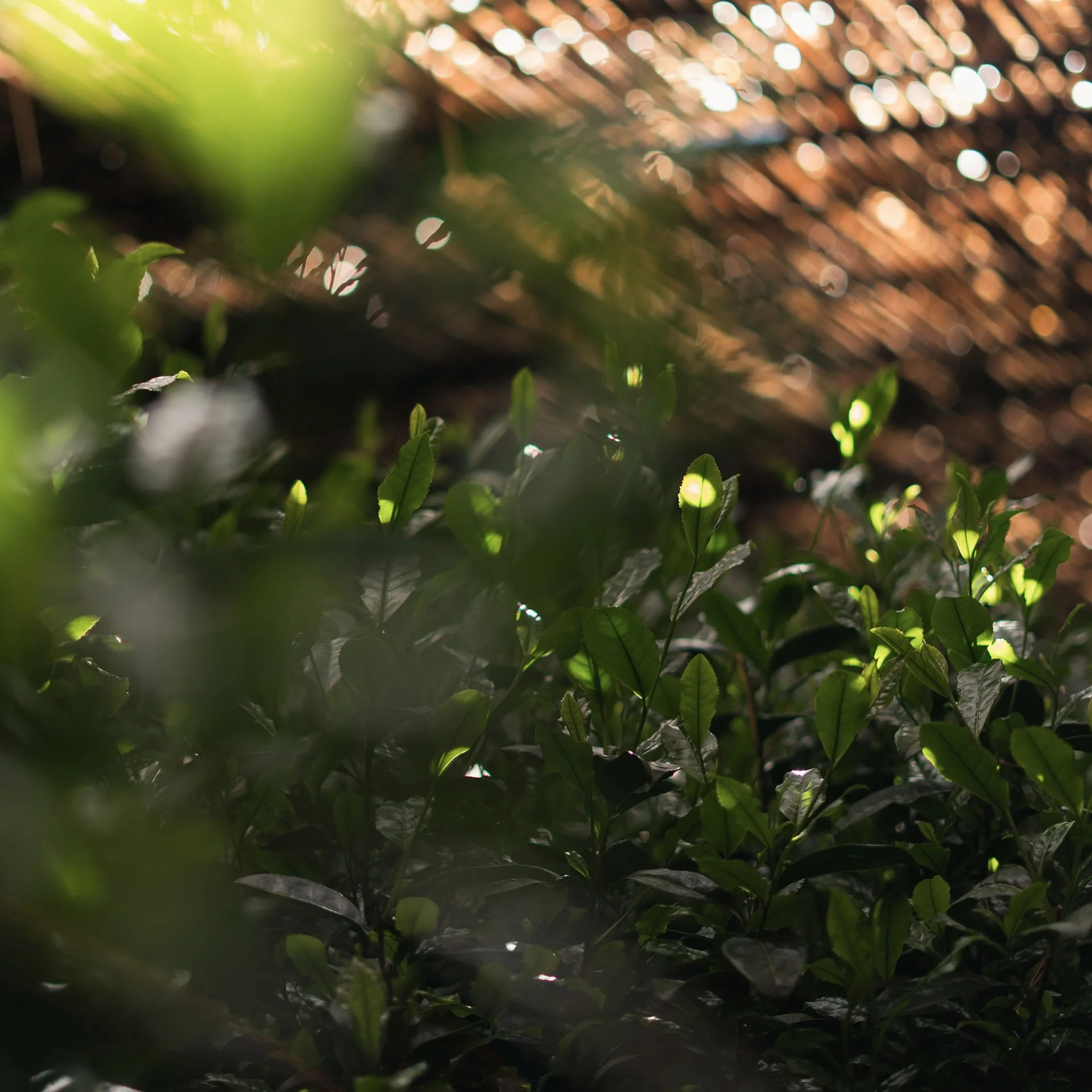
ASAHI (あさひ)
An exceptional Tencha cultivar, renowned for its exceptional taste, color, and captivating aroma.
Mr. Jinnojo Hirano selected it from a seed-grown field in Kyoto Prefecture in the early 1930s. The Kyoto Prefectural Tea Research Institute released it in 1954. Despite its remarkable qualities, it has never been officially registered as a cultivar. Nonetheless, it has earned the nickname King of Matcha, and it is often showcased in competition teas.
Notoriously challenging to cultivate, it has an upright shape, creating a low volume of leaves that adds to its low yield. Asahi performs exceptionally well under shading, with bright green, thin, and long leaves.
Honzu shading and meticulous hand-picking result in an exceptional Tencha. Its low-yield characteristics pose a challenge to the tea pickers, the Chazumi, who are paid by weight.
According to Sakataさん, 1 kg of freshly picked tea leaves “probably” creates less than 60 grams of final Matcha.
Region Details
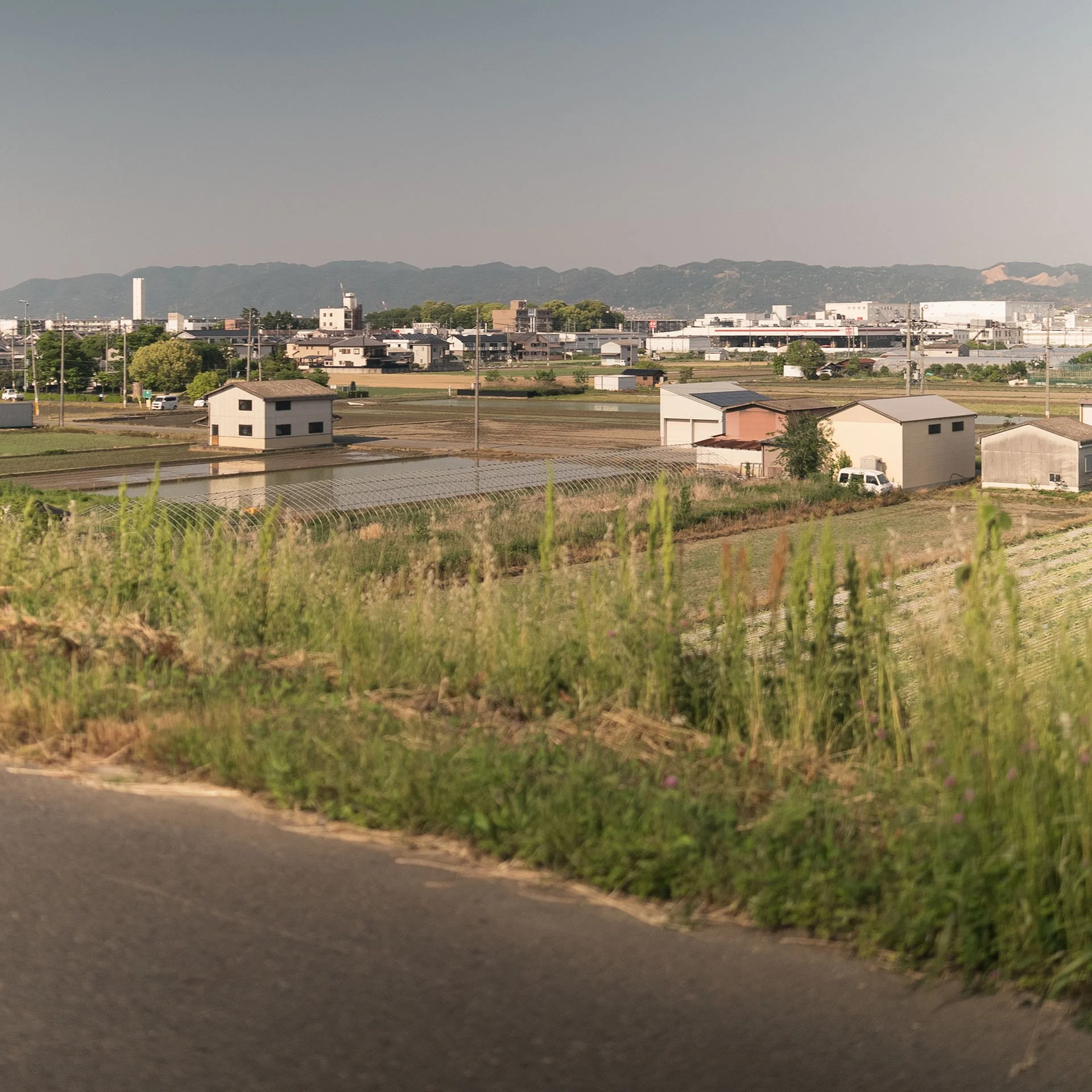
Uji, Kyoto, Japan
No city in Japan holds more relevance to Matcha than Uji City, Kyoto, Japan. Along side the Ujigawa river, nutrients from lake Biwa flow and enrich the sandy, well-draining soil. Morning fog rises above the river diffusing the sun. The end result? An exceptional tea terroir that birthed Matcha itself.
Tea in Kyoto began sometime after 1191 when buddhist Monk Eisai returned from China. The first bush was planted in Hakata, Fukuoka, Japan. After about 10 years, the plant was dug-up and moved to Kozan-ji temple in Kyoto, under the care of the monk Myoe. The original tea garden at Kozan-ji still exists today, where it is tended to by the farmer Yoshidaさん.
Tea cultivation at Kozan-ji temple became, and eventually spread to other regions within Kyoto. Initially, gambling games were played for the nobility to guess if the tea was Honcha “real tea” from Kozan-ji, or Hicha “fake tea” from anywhere else – including Uji. Over time, tastes changed. Uji city’s tea had such a delicious reputation that soon it was allowed to be considered “Honcha” as well.
In the 16th century as Sen no Rikyu entered the stage and began codifying the Japanese tea ceremony, Uji was already a powerhouse in reputation. Matcha itself was developed in Uji, which is a wholly distinct product from “Mo Cha”, or “ground tea” from China. It was in Uji that such as Oishita (grown under shading), and Tencha (steamed, unrolled tea) came to be.
Today, Ujicha has become synonymous with excellent Matcha. What many don’t know is that the Ministry of Agriculture, Forestry and Fisheries (MAFF) defines Uji-cha not as tea that is grown in Uji, but rather that is finished there. This makes tea grown in Uji itself exceptionally rare, accounting for less than 0.04% of the Japanese tea industry.
Matcha Safety
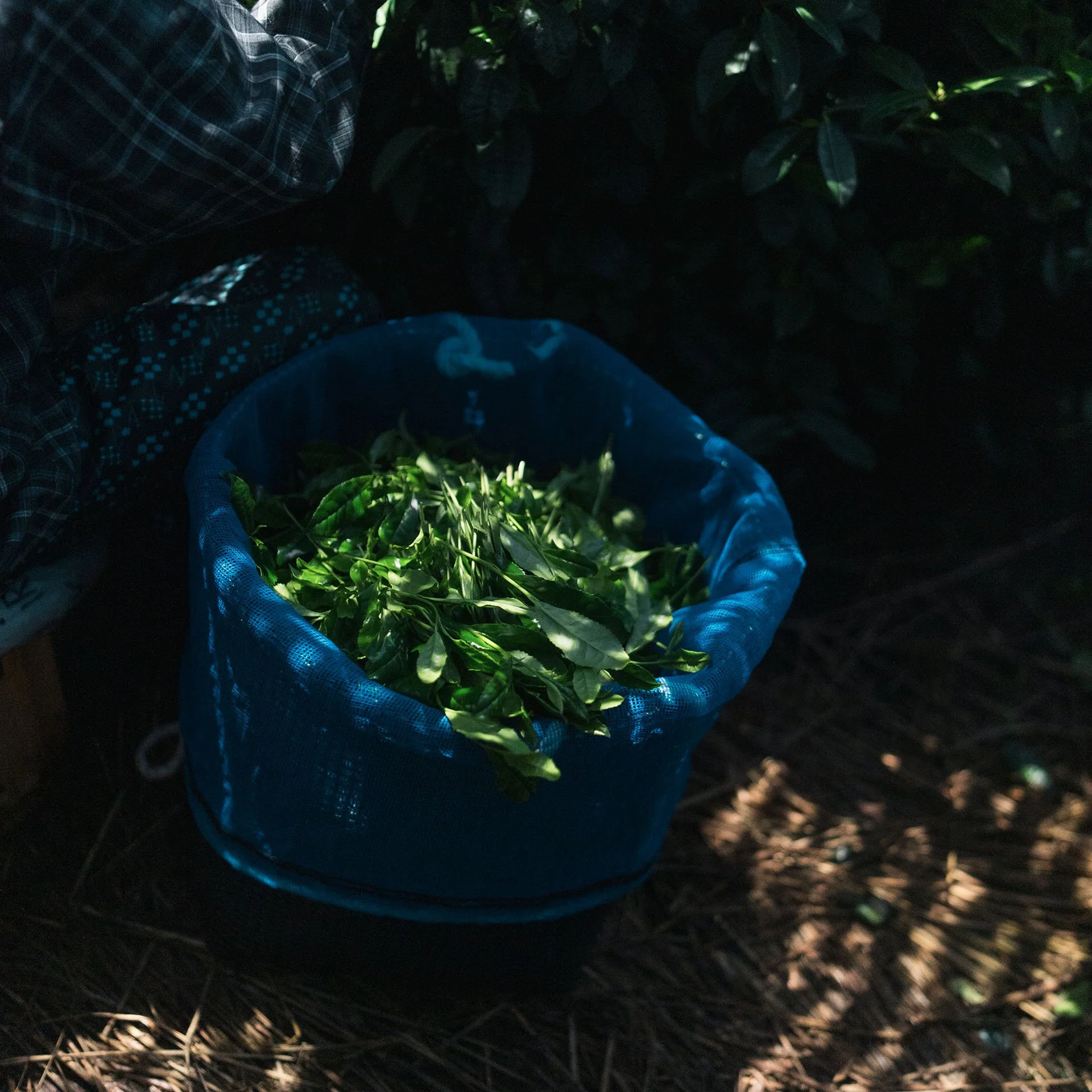
Ministry of Health, Labor and Welfare
As one of the healthiest nations in the world, Japan enforces exceptionally strict standards for radioactive substances, heavy metals, and pesticide residues in all food products, including matcha. Routine monitoring and targeted inspections ensure compliance with Japan's notoriously rigorous food safety regulations. Distribution of food items that exceed any limit are prohibited. You can learn more about these regulations from Japan’s Codex Alimentarius and the Ministry of Health, Labor and Welfare (MHLW)’s website.